Neuralink pivotal study: FDA clears Musk's brain chip trial
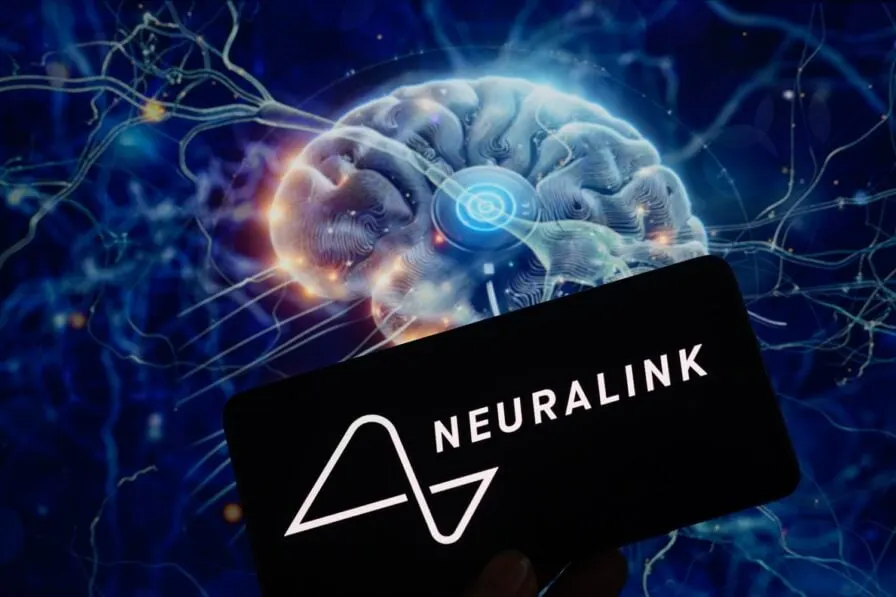
Neuralink says the FDA has approved its LINK Pivotal Study, the final test stage before seeking market approval, and recruitment of adults with severe ALS paralysis has begun.
 SUMO· the number puzzle
 Dialo· learn languages by speaking
 ediviewer· read EDI files like documents
 giftdetect· the right gift in minutes
Neuralink's brain implant is moving from early testing to the stage that decides whether it can be sold. On November 25, US time, the company said the FDA had approved its LINK Pivotal Study, and that it is already recruiting participants.
The earlier trials were about safety. A pivotal study is the one that has to show, before a company applies for market approval, that a device is both safe and actually useful. Neuralink says it is the first pivotal trial in the US for an implanted brain-computer interface (BCI). The study will focus on two questions: can people control digital devices just by thinking, and does that help them live more independently day to day? Recruitment targets adults in the US with severe paralysis from ALS.
How does the Neuralink implant work?
A coin-sized device sits in a hole made in the skull. Threads thinner than a human hair run from it into the brain and pick up the signals produced when someone tries to move their hand. A computer reads those signals and moves a cursor.
Early trials are running in the US, Canada and the UK. More than 30 people have received the implant, and Neuralink says total use adds up to thousands of hours. Participants have used it for learning, creating, gaming and talking with family. The first participant had major technical problems but said he did not regret it, and he played chess and Civilization. The second played Counter-Strike 2.
Rivals and criticism
Neuralink's animal research has drawn criticism. In 2022, Reuters reported that around 1,500 animals had died in experiments since 2018.
Competition is growing. Paradromics is a leading US rival, and China, with relatively looser regulation, is reportedly moving fast toward real-world use. Synchron, which delivers its device through a neck vein without opening the skull, has paused enrolment in its second-generation trial after finding a performance problem in the cable that carries signals. The company says no safety issue was found.
Can people outside the US join?
No. The pivotal study is open only in the US. Details are on Neuralink's trial page.
Apps worth a look
SUMO: the number puzzleTap the right tiles, add them up, hit the target. Easy to learn, hard to master. Free, for all ages.
Dialo: learn languages by speakingTalk to an AI conversation partner; every sentence comes back corrected and explained in your language. 9 languages, A1 to C2.
ediviewer: read EDI files like documentsOpen EDIFACT and X12 messages, see every segment explained, convert to JSON/XML, export PDF and Excel. Runs locally, no upload.
giftdetect: the right gift in minutesPick who it is for, the occasion and their personality. The search engine reads product descriptions from local shops and ranks what fits. Free, no sign-up.
More from this day
See all →
Danawa data breach: names and phone numbers leaked, site still down
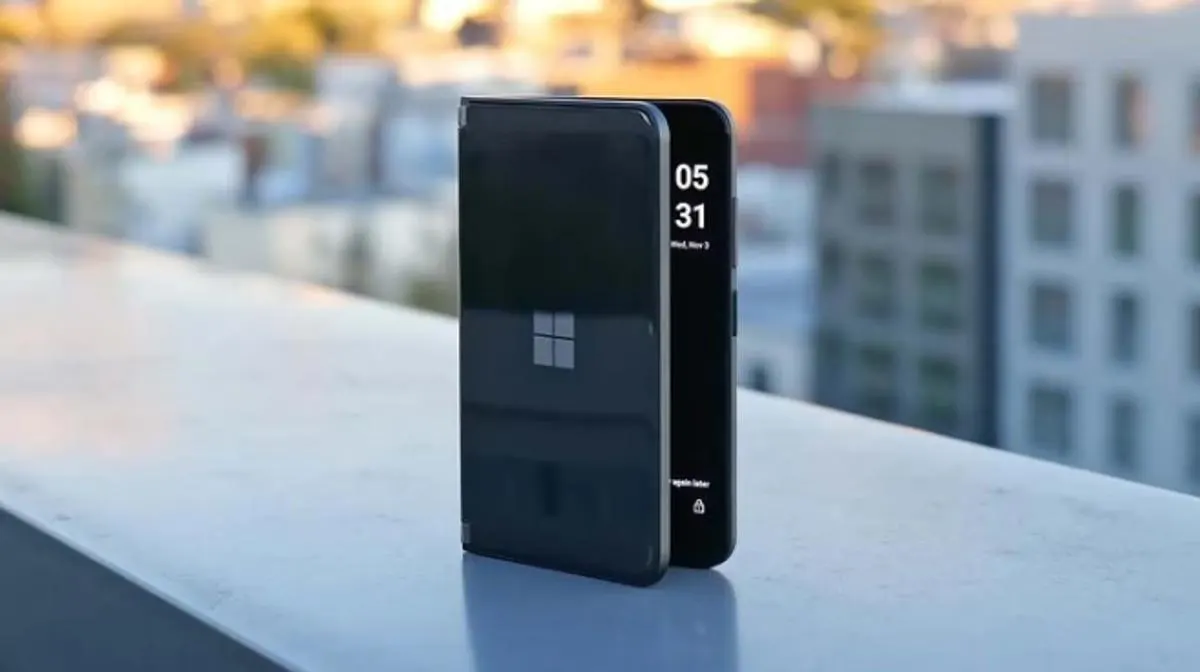
Surface Duo 2 running iOS 26: a modder's iPhone Duo stand-in

Pepsi in the Soviet Union: a free sip in 1959, submarines in 1989

Fake Linux boot log and video player run before Windows starts
More in: Science
See all →
Shinkansen bullet trains become window frames in Nagoya

Stanford physicist's quantum gravity paper was built with GPT-6 Astra

Amateur astronomer finds exoplanet candidate using Codex AI