Shinkansen bullet trains become window frames in Nagoya
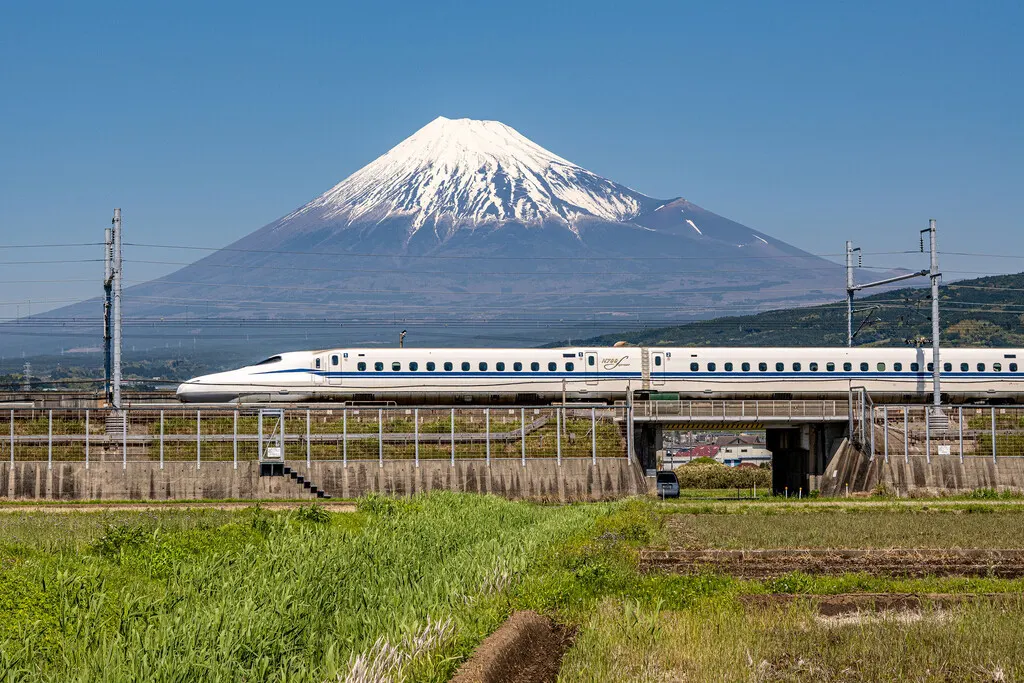
Retired Shinkansen bullet trains are being melted down into window frames. The first building to use the recycled aluminium is a 46-home block in Nagoya.
 SUMO· the number puzzle
 Dialo· learn languages by speaking
 ediviewer· read EDI files like documents
 giftdetect· the right gift in minutes
Old Shinkansen bullet trains are about to turn up in apartment windows. JR Central, which runs the Tokaido Shinkansen line between Tokyo, Nagoya and Osaka, has set up a system to recover aluminium from retired trains and feed it into LIXIL's PremiAL range of recycled aluminium products.
The company announced the deal on 20 November, together with its commercial subsidiary JR Tokai Corporation and the building materials maker LIXIL. The first project is Proud Meito Issha Garden, a 46-home residential development in Nagoya being built by Nomura Real Estate and Toho Gas Real Estate Development. It is due to be finished at the end of October 2027 and will use LIXIL's PRO-SE profiles made with aluminium from trains. From 15 December 2026, LIXIL will take special orders for window frames and curtain walls (non-load-bearing facade systems), starting in the Tokai region.
How do you recycle a bullet train into window frames?
It is harder than it sounds. A 2024 study by the Japan Society of Mechanical Engineers, with JR Central staff involved, found that the retired vehicles contain 5000, 6000 and 7000 series aluminium alloys, each with different properties. Mixed together, they are harder to reuse. More careful sorting during dismantling made it possible to recover alloys suited to new railway parts.
LIXIL has worked on aluminium recycling for nearly 30 years. For PremiAL, the recovered metal is melted and purified, cast into cylindrical billets, then extruded, meaning pushed through a die to form a profile. Heat treatment gives it the required strength. The companies have not said how much of the new profiles will come from trains.
Why bother?
Making aluminium from raw materials takes a lot of energy. According to the International Aluminium Institute, recycling cuts that by up to 95%. LIXIL estimates its standard PremiAL profiles produce about 50% less CO₂ equivalent than profiles made only from primary aluminium, though that figure covers the product range, not the new train-based profiles specifically.
JR Central has been finding uses for the metal for years: baseball bats, electric guitars, decorative items, even structural parts for new high-speed trains. In November 2024 it announced, with JR Tokai Corporation and Sankyo Tateyama, a material with 50% recovered Shinkansen aluminium, already used in residential window frames. Next, the two companies want more applications, and JR Central will look at recycling other materials from the trains too.
Apps worth a look
SUMO: the number puzzleTap the right tiles, add them up, hit the target. Easy to learn, hard to master. Free, for all ages.
Dialo: learn languages by speakingTalk to an AI conversation partner; every sentence comes back corrected and explained in your language. 9 languages, A1 to C2.
ediviewer: read EDI files like documentsOpen EDIFACT and X12 messages, see every segment explained, convert to JSON/XML, export PDF and Excel. Runs locally, no upload.
giftdetect: the right gift in minutesPick who it is for, the occasion and their personality. The search engine reads product descriptions from local shops and ranks what fits. Free, no sign-up.
More from this day
See all →



More in: Science
See all →
Stanford physicist's quantum gravity paper was built with GPT-6 Astra

Amateur astronomer finds exoplanet candidate using Codex AI

Scientists use GTA V's Los Santos to model sea-level rise