NASA's Swift Observatory Burns Up in Atmosphere After 20 Years
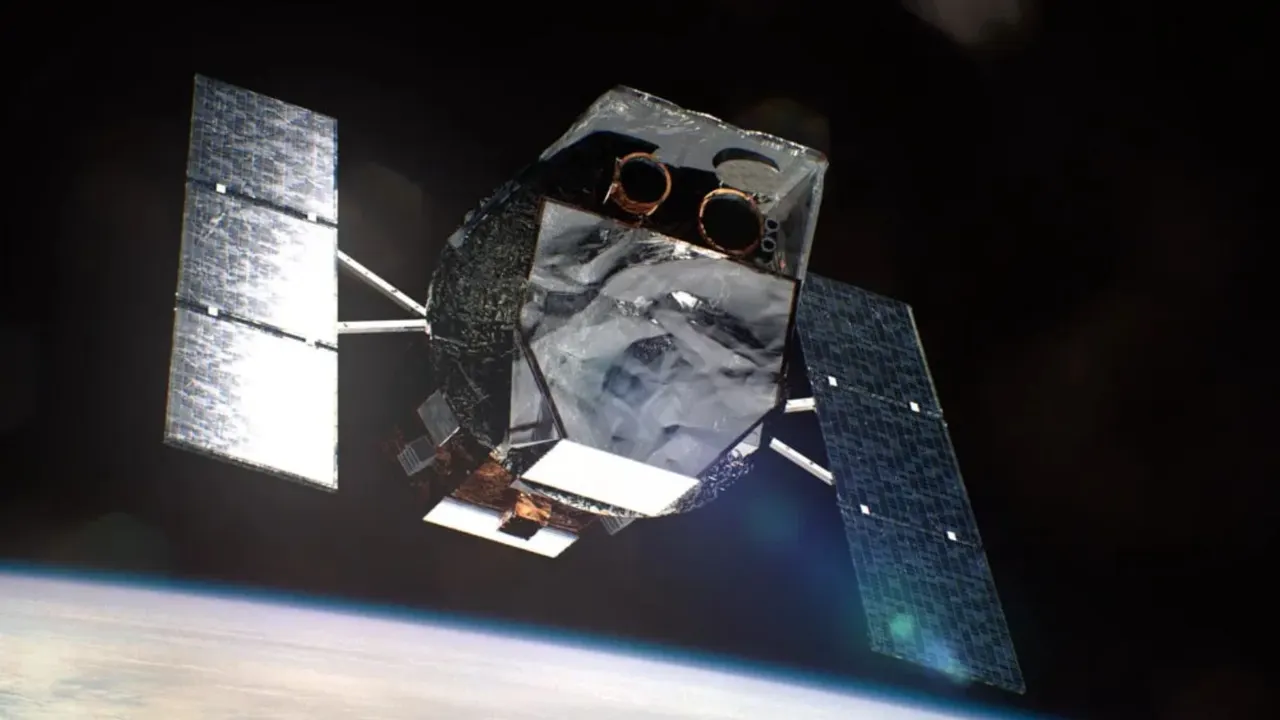
NASA's Swift space telescope reentered the atmosphere over northern Sumatra on 4 November, ending a mission that was meant to last two years but ran for two decades.
 SUMO· the number puzzle
 Dialo· learn languages by speaking
 ediviewer· read EDI files like documents
 giftdetect· the right gift in minutes
The Swift Observatory has ended its mission. On 4 November at 13:39 Polish time, the 1.45-tonne spacecraft entered the atmosphere over northern Sumatra and broke apart. Specialists had expected most of the structure to burn up during the descent.
Swift launched in November 2004 with a planned two-year mission focused on gamma-ray bursts, the most energetic explosions in the universe. The name was meant to reflect its speed: NASA's S. Bradley Cenko explained that the instrument could run calculations and prepare a set of observing tools for a detected event in about a minute.
Far more than gamma-ray bursts
The science scope quickly grew beyond the original plan. Swift also observed supernovae, black holes, asteroids and comets, supplying data important for astrophysics. Over 20 years it gathered information on more than two thousand gamma-ray bursts and 1,400 supernovae.
In 2018 the mission was renamed the Neil Gehrels Swift Observatory to honour the project's first principal investigator. Its last scientific observations were made on 20 October this year, and the long service life was also attributed to the exceptionally effective operations team.
A rescue attempt that fell short
In 2025, NASA tried to extend the telescope's life by signing an agreement with Katalyst Space. The company was to use an automated vehicle called LINK to lift Swift to a higher orbit. The servicing craft was launched quickly, but problems with its propulsion and orientation mechanisms prevented the planned manoeuvre.
Agency representatives said the operation carried high risk from the start, but that experience from servicing hardware in orbit could pay off in future projects. Available data also suggests objects of similar size return to Earth about three times a day on average, a figure that may rise as satellite megaconstellations grow.
Apps worth a look
SUMO: the number puzzleTap the right tiles, add them up, hit the target. Easy to learn, hard to master. Free, for all ages.
Dialo: learn languages by speakingTalk to an AI conversation partner; every sentence comes back corrected and explained in your language. 9 languages, A1 to C2.
ediviewer: read EDI files like documentsOpen EDIFACT and X12 messages, see every segment explained, convert to JSON/XML, export PDF and Excel. Runs locally, no upload.
giftdetect: the right gift in minutesPick who it is for, the occasion and their personality. The search engine reads product descriptions from local shops and ranks what fits. Free, no sign-up.
More from this day
See all →

More in: Space
See all →
Trump Proclaims 'American Declaration of Freedom in Space'
SyLEx Rocket Completes First Operational Flight for M51.4 Missile
Amazon Closes In on Starlink as Satellite Phone Links Advance