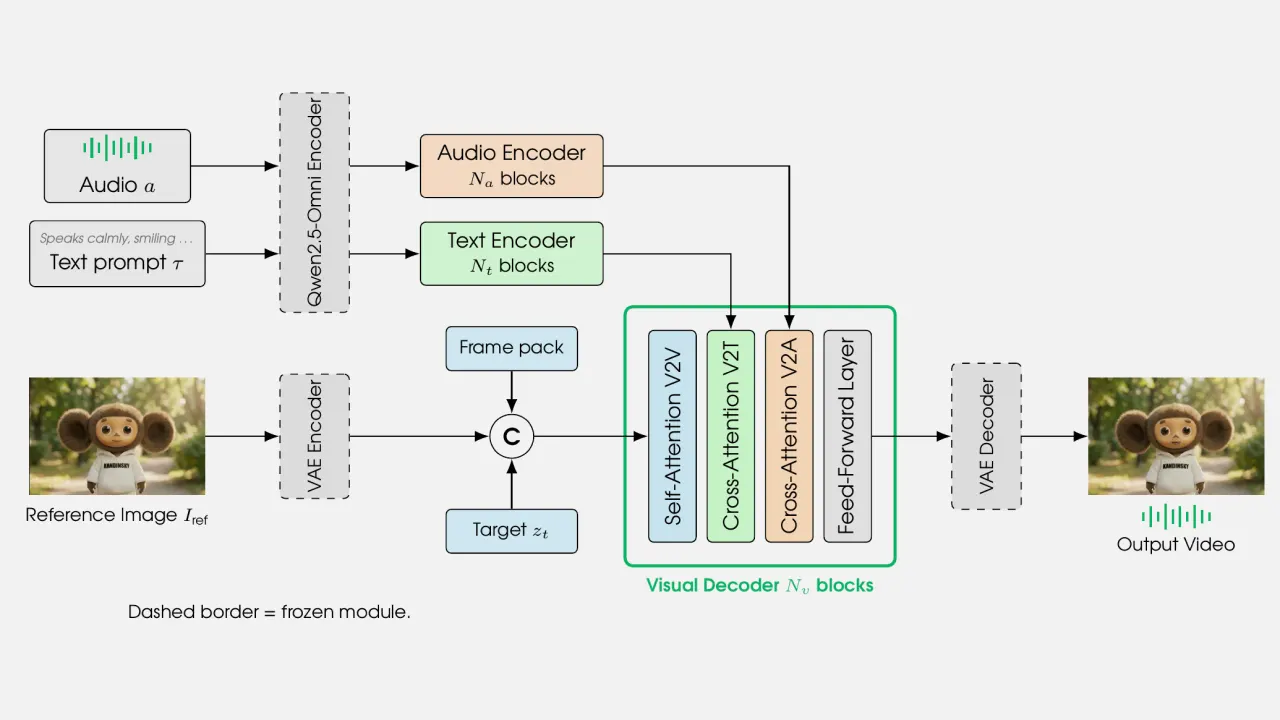
LongTails AI Agent Proves Over 30 New Optimization Theorems
AIRI's open-source LongTails agent has proved more than 30 new theorems in mathematical optimization, with every proof checked by the Lean 4 formal verifier.

 SUMO· the number puzzle
 Dialo· learn languages by speaking
 ediviewer· read EDI files like documents
 giftdetect· the right gift in minutes
LongTails, an AI agent developed at Russia's AIRI institute, has proved more than 30 new theorems in mathematical optimization. Each proof was confirmed by a formal verifier, according to the institute's press service.
Researchers at AIRI built the open-source framework together with a colleague from Vietnam. The agent can formulate new optimization problems, propose methods to solve them and then rigorously prove that those methods work. Using it, the team reached nearly 100 theorems in formal form. About 50 of them improve guarantees known from earlier studies, and the team plans to publish another 35 as standalone mathematical results worthy of international publication. On average, the system needs between 3 and 7 hours to prove a single theorem.
Why formal verification matters
The main strength of LongTails is that every proof is checked automatically in the formal language Lean 4. This addresses a well-known weakness of AI in mathematics: a model can produce reasoning that looks convincing but contains an error or answers a different question than the one asked.
The system starts from a formal description of the conditions and the goal, then confirms that the proof matches both. Each result therefore passes a formal check rather than relying on an argument that merely seems right.
What it means in practice
Mathematical optimization is the search for the best option among many possibilities, whether the aim is speed, lower cost, higher accuracy or greater reliability. The theorems show how fast a given method runs and under what conditions it works, which lets engineers estimate the number of computations in advance instead of testing algorithms at random.
Neural network training, from recommendation systems to large language models, relies on these methods. More efficient algorithms could cut training time, computing costs and energy use in data centers. The same tools apply to lightweight but strong structures, delivery routing, load balancing in power grids, the search for new molecules and materials, and investment risk management.
The LongTails code is now open source, so other research groups can use it to study optimization problems and prove new theorems. One project participant said the framework achieved in a few days more than he had managed in his entire career, calling the development exciting. The team says it will keep proving new theorems, raise the complexity of the problems and test the resulting algorithms in practical applications.
Apps worth a look
SUMO: the number puzzleTap the right tiles, add them up, hit the target. Easy to learn, hard to master. Free, for all ages.
Dialo: learn languages by speakingTalk to an AI conversation partner; every sentence comes back corrected and explained in your language. 9 languages, A1 to C2.
ediviewer: read EDI files like documentsOpen EDIFACT and X12 messages, see every segment explained, convert to JSON/XML, export PDF and Excel. Runs locally, no upload.
giftdetect: the right gift in minutesPick who it is for, the occasion and their personality. The search engine reads product descriptions from local shops and ranks what fits. Free, no sign-up.
More from this day
See all →
Workup Program Graduates 10 Startups in 14th Cohort in Turkey

Zoho launches restaurant POS platform with free plan in India

India Weighs Ending Safe Harbour for Meta, Google and X