MENA Scaleups Turn to Debt as Equity Funding Falls 22%
The largest cheques going to MENA scaleups no longer buy shares. Tamara's $2.4 billion facility shows why founders are rethinking their capital stack.

The biggest financing deals in MENA tech no longer involve selling equity. At Money20/20 Riyadh in September 2025, the largest announcement was Tamara's Shariah-compliant asset-backed facility of up to $2.4 billion, anchored by Goldman Sachs, Citi and Apollo. It refinanced and quadrupled a $500 million package arranged about a year earlier. Tabby set the precedent two years before that with a $700 million receivables securitisation from J.P. Morgan, a first for the region.
Equity is the costliest capital
The dilution maths is stark. Raise $10 million at a $40 million post-money valuation and you sell a quarter of the company. If it exits at $500 million, that round costs $125 million, a steep price for working capital a lender might advance against receivables at a mid-teens all-in rate.
The regional numbers back this up. MAGNiTT's figure of $3.8 billion across 688 deals in 2025 counts equity only. Adding debt roughly doubles the true capital flow to about $7.5 billion, with non-dilutive money matching dilutive almost dollar for dollar. In the first half of 2026, equity funding fell 22% year over year to $1.35 billion, international investors cut deployment by nearly two-thirds, and local investors supplied 81% of venture capital, their highest share in five years.
Matching instruments to needs
The guiding principle is that lenders finance what they can see, measure and seize. Receivables-heavy models such as buy now, pay later, SME lending and B2B marketplaces suit debt: Lendo signed a $53 million Murabaha with Jadwa, CredibleX secured $100 million from Pollen Street Capital, and Bahrain's FLOOSS funds growth through a $22 million Shorooq-backed facility. Contracted recurring revenue can be financed through revenue-based structures, while equipment and fleets suit leasing and term debt.
Becoming debt-ready takes 12 to 18 months of clean cohort data, receivables ageing on demand, audited financials, working collections and unit economics that clear the facility's cost. Founders should raise from strength, read covenants carefully, and avoid facilities shorter than the assets they fund. Debt used to cover losses accelerates failure.
Shariah-compliant structures open Gulf institutional capital, and Saudi Arabia's private credit market reached $3.7 billion in 2024 after growing tenfold. The constraint, the author argues, is the number of companies structured to receive it. Equity remains right for genuine bets; debt should fund the machine.
Apps worth a look
 SUMO: the number puzzle
Tap the right tiles, add them up, hit the target. Easy to learn, hard to master. Free, for all ages.
 Dialo: learn languages by speaking
Talk to an AI conversation partner; every sentence comes back corrected and explained in your language. 9 languages, A1 to C2.
 ediviewer: read EDI files like documents
Open EDIFACT and X12 messages, see every segment explained, convert to JSON/XML, export PDF and Excel. Runs locally, no upload.
More from this day
See all →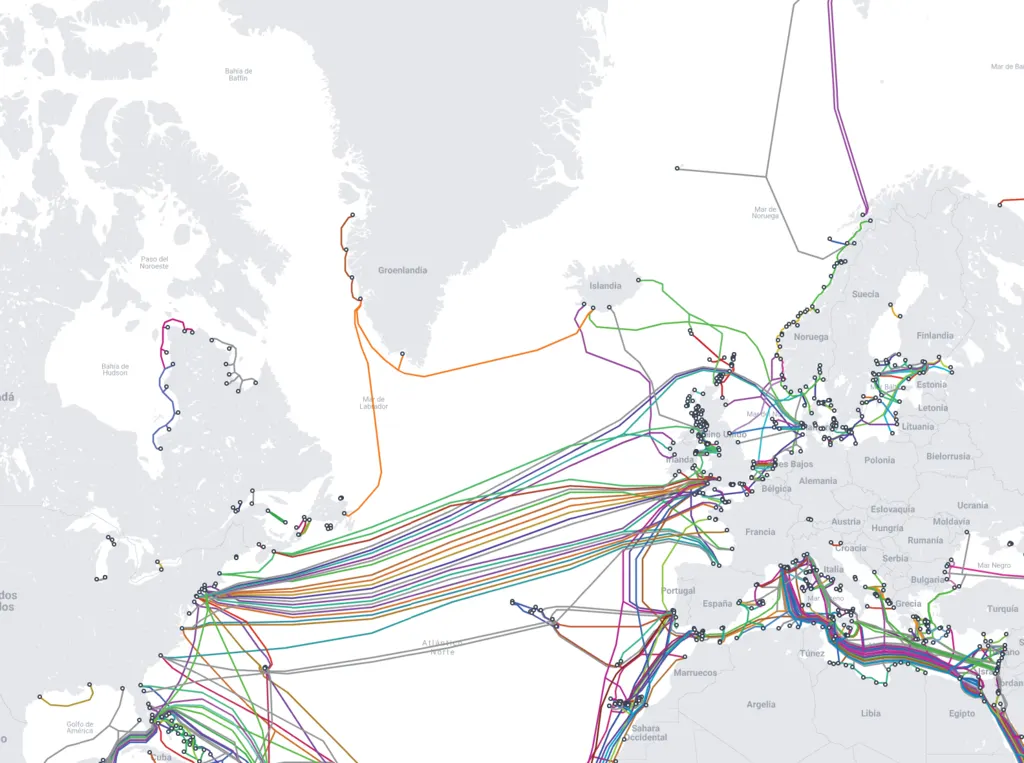
EU Plans Pan-Arctic Cable Linking Greenland Directly to Europe
Cisco Gives 27-Year-Old Unlimited AI Tokens to Fix Legacy Code

Google Play Services 26.43 Adds Automatic Photo Backup to Windows PCs

Apple Tightens App Store Age Ratings for Dating and Location Apps
More in: Startups
See all →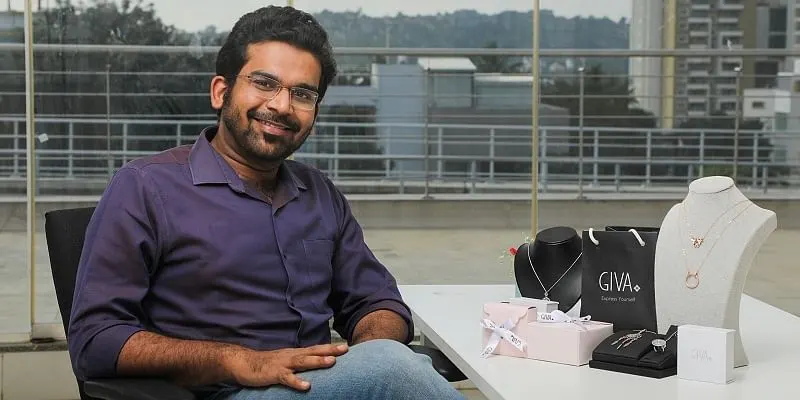
GIVA raises $100M from Multiples PE to expand jewellery business
Peppermint Robotics raises Rs 100 crore in Pre-Series B round
INVE raises $300,000 from Outliers VC for GCC eventtech push