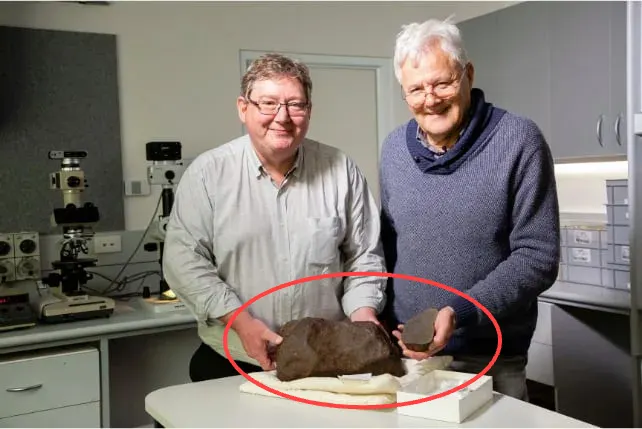
Maryborough meteorite: the 17 kg rock a man tried to smash open for gold
David Hall kept a heavy red rock for years, sure it hid gold. Saws, drills and acid failed to crack it. A museum said it was a 4.6 billion-year-old meteorite.
 SUMO· the number puzzle
 Dialo· learn languages by speaking
 ediviewer· read EDI files like documents
 giftdetect· the right gift in minutes
David Hall was certain he had found a gold nugget. He had not. The 17 kilogram rock he spent years trying to break open turned out to be the Maryborough meteorite, a space rock about 4.6 billion years old.
Hall found it in 2015 while using a metal detector in a regional park in Maryborough, central Victoria, Australia. The area was a busy gold mining district during the 19th-century gold rush, so a heavy reddish stone sitting in yellow clay looked promising. He took it home and went to work on it with a rock saw, a grinder and a drill. He tried acid. He tried a big hammer. The rock did not even crack.
Eventually he took it to Melbourne Museum. Geologist Dermot Henry said the surface had carved-looking dents, formed when the outer layer melted as the rock came through the atmosphere. In 37 years at the museum, Henry had looked at thousands of rocks and confirmed only two meteorites. This was one of them. Fellow geologist Bill Birch noted that an ordinary Earth rock would not feel this heavy in the hand.
What kind of meteorite is it?
Researchers cut off a piece with a diamond saw. The analysis showed an iron-rich H5 ordinary chondrite. Inside were chondrules, tiny round grains of silicate minerals that formed when molten material cooled in the early solar system. They give scientists clues about conditions when the solar system was born.
The exact origin is unknown. The team thinks it is a fragment knocked loose by collisions in the asteroid belt between Mars and Jupiter. Radiocarbon dating suggests it landed on Earth within the last 1,000 years, and the researchers raised the possibility that it was one of the meteors seen in the area between 1889 and 1951.
Why is it worth more than gold?
It was the 17th meteorite found in Victoria and, at that point, the second largest chondrite found there. Henry said thousands of gold nuggets have turned up in the state, but only 17 meteorites. He called the odds of this find astronomically small. Researchers say its value lies in what it can tell us about the solar system's age, formation and chemistry, more than in any price tag.
Apps worth a look
SUMO: the number puzzleTap the right tiles, add them up, hit the target. Easy to learn, hard to master. Free, for all ages.
Dialo: learn languages by speakingTalk to an AI conversation partner; every sentence comes back corrected and explained in your language. 9 languages, A1 to C2.
ediviewer: read EDI files like documentsOpen EDIFACT and X12 messages, see every segment explained, convert to JSON/XML, export PDF and Excel. Runs locally, no upload.
giftdetect: the right gift in minutesPick who it is for, the occasion and their personality. The search engine reads product descriptions from local shops and ranks what fits. Free, no sign-up.
More from this day
See all →
Samsung phones will nag you if you skip your usual charging time
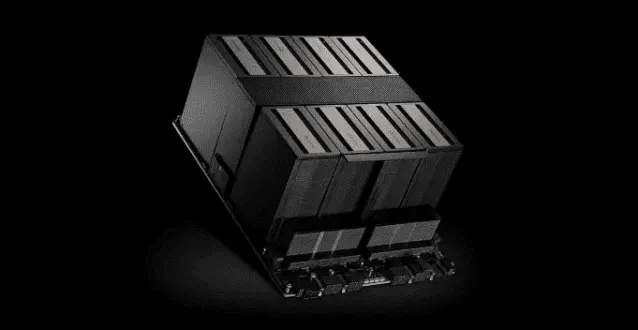
Nvidia B300 server price in China hits $3 million on black market

KEPCO data breach: encrypted ID and card numbers leaked as plain text
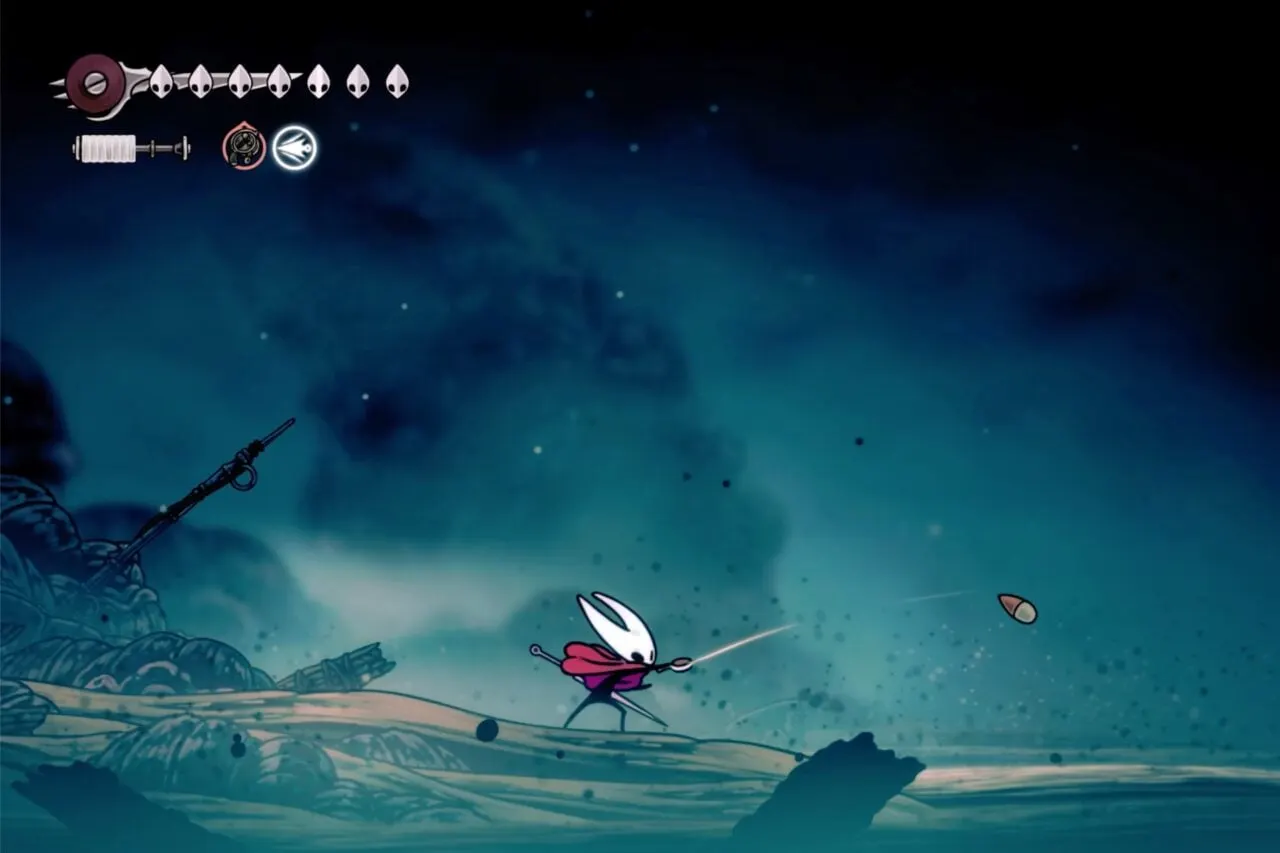
Silksong Sea of Sorrow DLC is free, lands Dec 11 with fishing
More in: Science
See all →
California insects: DNA study finds 20,000 species unknown
Lightning strikes could rise up to 140% by 2100, study finds
Mars fingerprint rocks on Daedalia Planum puzzle scientists