KEPCO data breach: encrypted ID and card numbers leaked as plain text
KEPCO said it encrypted customers' ID, bank and card numbers. A lawmaker says all of it left the system as readable plain text, without the encryption key being stolen.

 SUMO· the number puzzle
 Dialo· learn languages by speaking
 ediviewer· read EDI files like documents
 giftdetect· the right gift in minutes
South Korea's state power utility KEPCO says it encrypts customers' national ID, bank account and card numbers. When that data leaked this month, though, it was reportedly sitting there as plain, readable text.
The details come from documents KEPCO gave to lawmaker Cha Gyu-geun of the Rebuilding Korea Party, who sits on the parliamentary industry committee. According to Cha, who spoke on 28 November, 12 data fields from the company's KEPCO ON customer service were exposed in plain text. That includes the resident or foreign registration number, bank account number and card number. The leak was confirmed on 20 November and also hit KEPCO's electronic procurement system, where 426,827 resident or foreign registration numbers of company representatives went out in decrypted form.
How can encrypted data leak as plain text?
That is the awkward part. KEPCO told Cha that there is no sign the encryption key, the secret used to turn scrambled data back into readable data, was stolen. Cha reads that as meaning the attackers did not need the key. The data could be taken already decrypted, so encryption at the storage level alone did not protect it.
Cha also pointed to a few earlier statements. After an employee data leak on 4 October, KEPCO said customer information was kept safely in a separate dedicated system. A month and a half later, customer data got out. KEPCO also said last year's privacy impact assessment of KEPCO ON, a formal review of privacy risks, found no defects. Cha questions whether those reviews catch real risks.
Is this part of a bigger trend?
South Korea's Personal Information Protection Commission counts 1,019 reported leaks from January to October this year, more than double last year's total of 447. Monthly reports rose from 67 in July to 233 in October, hitting financial firms and public bodies alike.
Cha wants KEPCO to explain exactly how the data was decrypted on its way out. He also says organisations handling personal data should check security across the whole processing chain, not only the point where data is stored.
Apps worth a look
SUMO: the number puzzleTap the right tiles, add them up, hit the target. Easy to learn, hard to master. Free, for all ages.
Dialo: learn languages by speakingTalk to an AI conversation partner; every sentence comes back corrected and explained in your language. 9 languages, A1 to C2.
ediviewer: read EDI files like documentsOpen EDIFACT and X12 messages, see every segment explained, convert to JSON/XML, export PDF and Excel. Runs locally, no upload.
giftdetect: the right gift in minutesPick who it is for, the occasion and their personality. The search engine reads product descriptions from local shops and ranks what fits. Free, no sign-up.
More from this day
See all →
Maryborough meteorite: the 17 kg rock a man tried to smash open for gold

Silksong Sea of Sorrow DLC is free, lands Dec 11 with fishing
OnePlus ColorOS 17 adds automatic PC unlocking via O+ Connect

macOS on iPad: Apple reportedly already runs it internally
More in: Security
See all →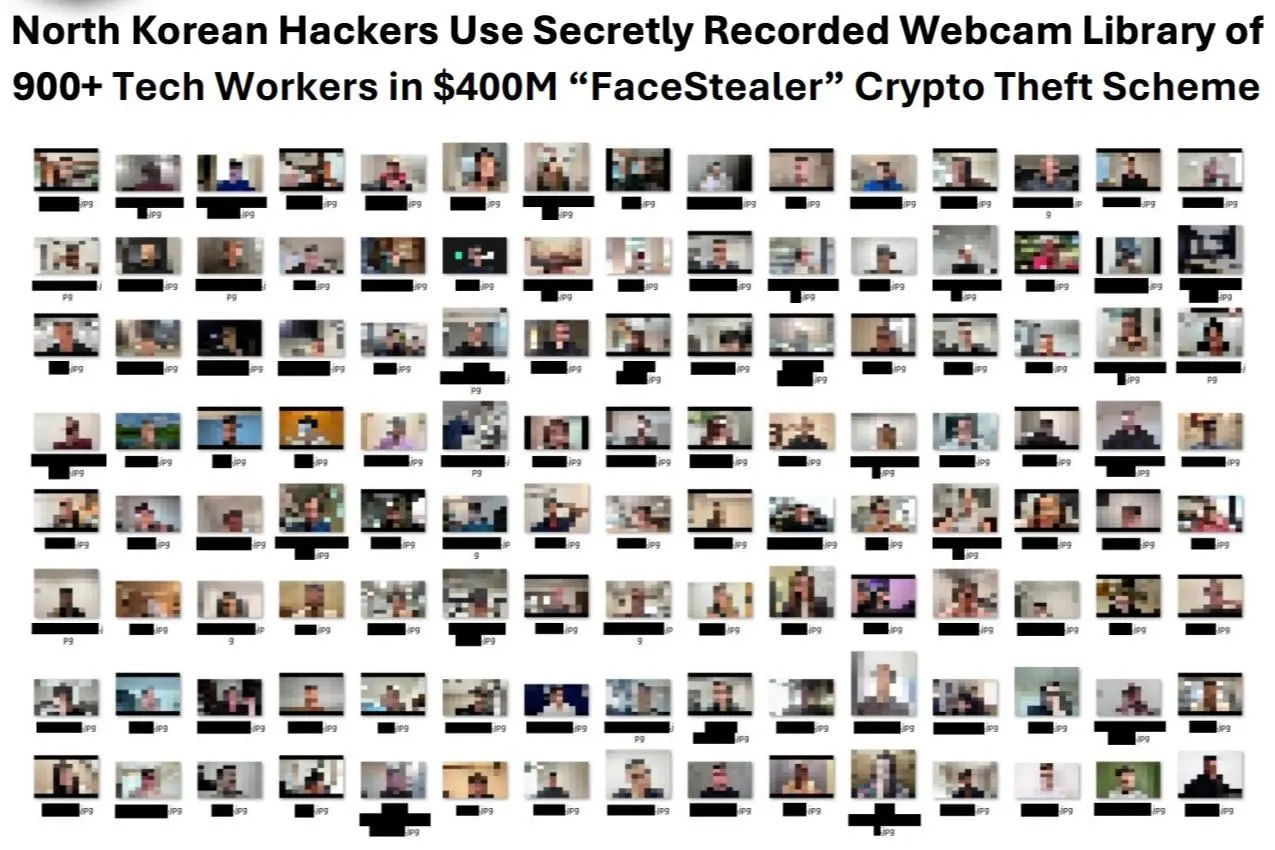
FaceStealer scam: fake video calls with a friend's face stole $400M

Keenadu Android trojan found on 220,000 devices, some preinstalled
Danawa data breach: names and phone numbers leaked, site still down