Korea Deep Learning Cuts Voice Phishing Claim Processing 88%
Korea Deep Learning and IBK Industrial Bank of Korea completed a pilot of an AI agent for voice phishing relief claims, cutting document processing time by 88%.

Korea Deep Learning, a document AI company, has completed a pilot with IBK Industrial Bank of Korea in which an AI agent automates voice phishing relief work. According to the company, the time needed to process paperwork fell by 88%.
When a person falls victim to voice phishing, they submit a relief application and a copy of their ID to the bank. Until now, those documents arrived by fax and bank staff checked each one and keyed the details into the system. Because the work involves freezing payments before the money is moved out, slow paperwork limited how fast the bank could react.
How the agent works
The company applied its finance-focused agent, DEEP Agent for Finance, built on a vision-language model (VLM). Unlike traditional OCR, which only reads characters, a VLM understands images and text together, so it can grasp the context of a document. The agent sorts incoming documents, extracts the required data and infers what type of crime is involved.
The pilot ran from April to August and was led by IBK's financial consumer support department, with Korea Deep Learning providing the technology. The company says the system read printed text with 100% accuracy and handwriting with more than 97%, and that document classification and crime-type inference were all correct against the evaluation criteria. Accuracy was up to 20.4 percentage points higher than conventional AI-OCR, including on low-resolution IDs and forms with handwriting, and all target KPIs were met on real operational data.
The system cross-checks conventional AI-OCR output against VLM output and assigns a confidence score. High-confidence cases are processed automatically, while low-confidence ones go to a human reviewer, who makes the final decision. It runs on-premises on the bank's own servers so no data leaves the internal network.
What comes next
The project won an excellence award in the AI service proof-of-concept category of the 2026 Public Institution AI Innovation Challenge, organized by the finance and science ministries. IBK plans to deploy the system in live operations in the first half of next year, and Korea Deep Learning intends to extend it to other financial and public institutions.
Kim Ji-hyun, the company's CEO, said the most wasteful time in relief work is the time spent on paperwork rather than responding to the fraud itself.
More from this day
See all →
Manastu Space Raises ₹22 Cr in Extended Series A Round

Ajman Chamber Launches Thara Ecosystem for Startups and Investors
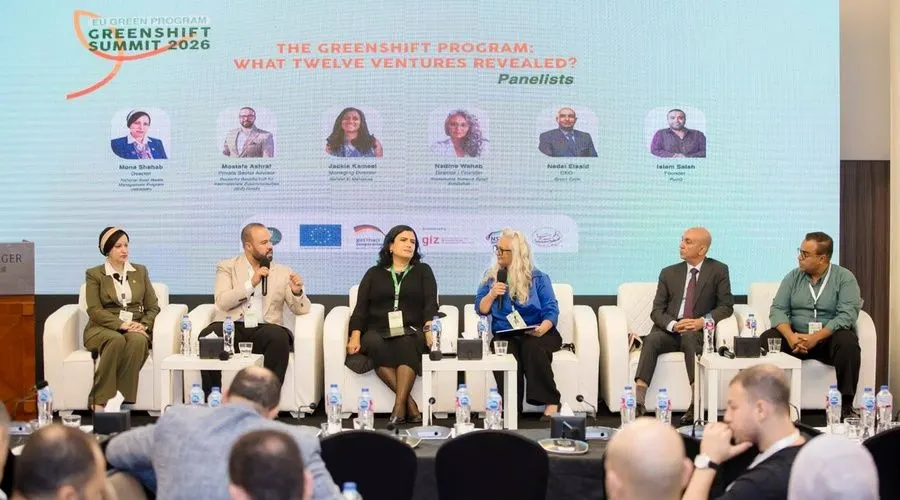
GreenShift graduates 12 Egyptian green scaleups with EGP 57.5M

FinBursa Launches FinBursa 360, an AI-Native Private Markets Platform
More in: AI
See all →
ChatGPT Gets ServiceNow Integration to Act on Work Tasks
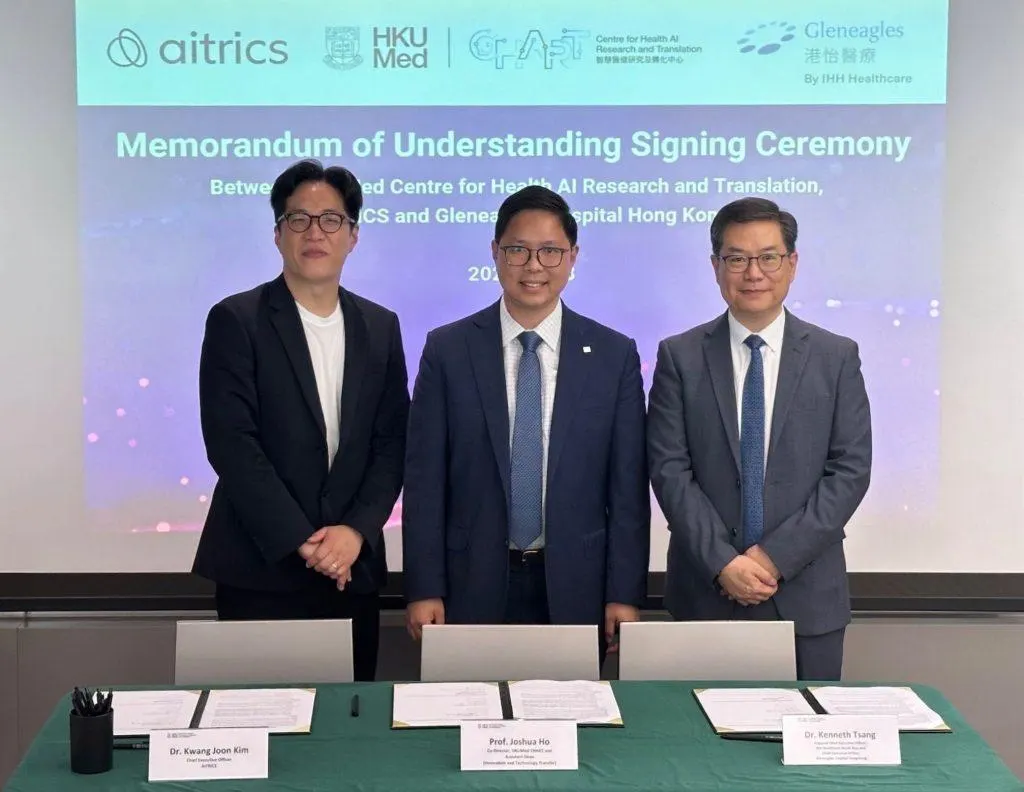
AITRICS Signs Hong Kong MOU to Validate VitalCare AI in Hospitals

Grok Imagine Releases 7-Minute Odyssey Episode, Reviews Are Harsh