Japan's Cyclist Blue Ticket Six Months On: Habits Shift, Policing Steady
Six months after Japan introduced traffic fines for cyclists, surveys show riders changing habits, while most employers have done little and enforcement looks much as before.
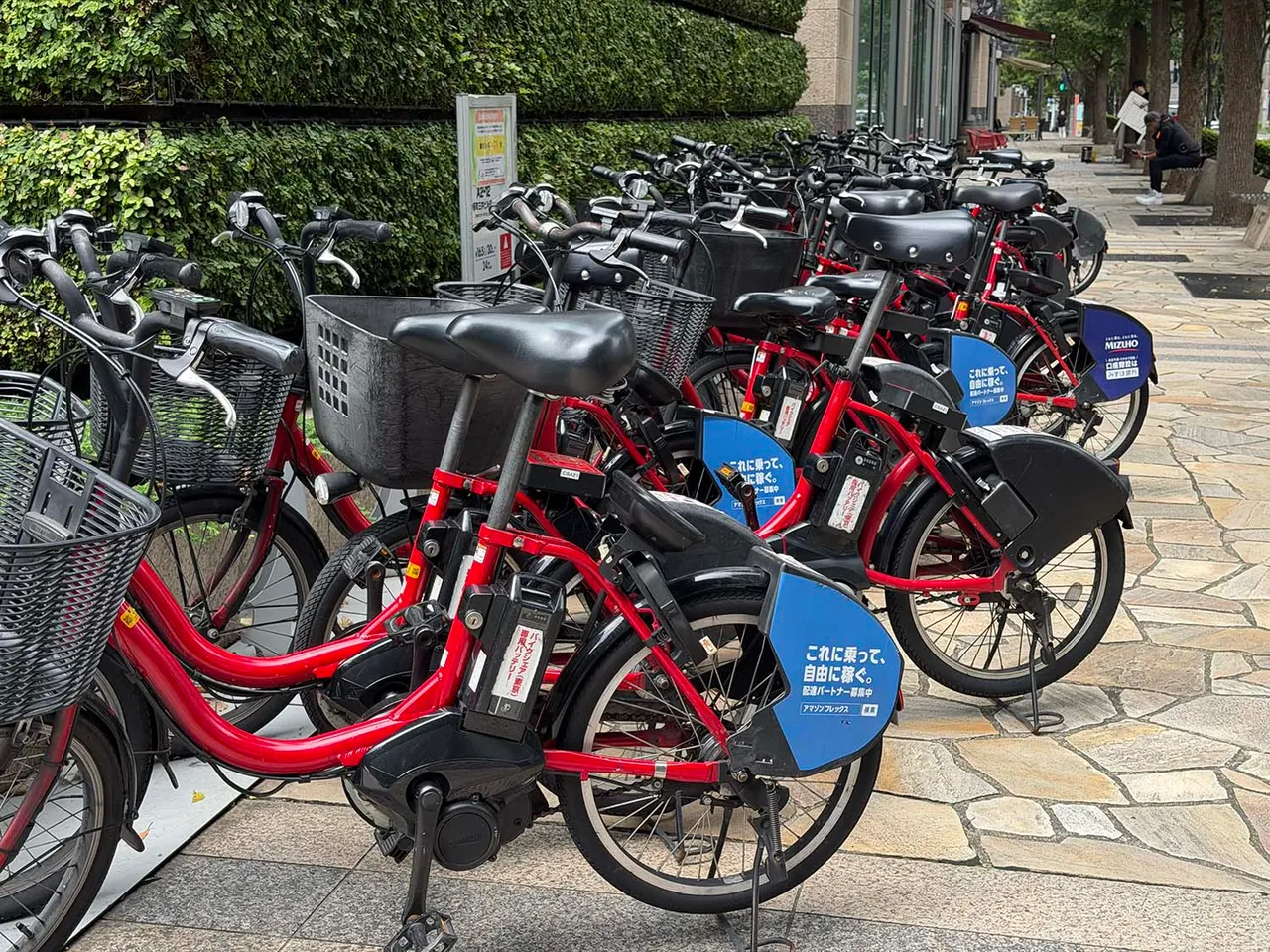
Six months after Japan's revised Road Traffic Act took effect on April 1, cyclists are riding more cautiously, but enforcement has not become noticeably harsher, according to several surveys and Tokyo police data.
The reform introduced the "blue ticket" for cyclists aged 16 and over. It fills the gap between an informal warning and the "red ticket", which triggers criminal proceedings. A blue ticket carries a fine, and paying it avoids prosecution. Violations such as ignoring a stop sign, riding with an umbrella, using earphones, or riding with faulty brakes or lights cost 5,000 yen. Phone use while riding carries a higher penalty. The law also asks drivers to leave about one metre when overtaking a bicycle, or to slow to roughly 20 to 30 km/h if they cannot.
What riders say
A September survey by NCD of members of its ECOPOOL bicycle parking service found that 77.2% of respondents had changed their behaviour. Of those, 65.2% now think about riding on the roadway and 59.1% about stopping at stop signs. This section covered only 149 people. Many respondents were undecided between roadway and pavement, suggesting that riding on the road remains difficult or worrying for some.
A July survey of 962 commuters by KiteRa found that 19.6% of cycle commuters had run into an accident or trouble, and 27.7% felt anxious. Since the change, 9.1% said they had received a blue ticket and 3.8% a warning. The survey cannot show whether tickets are issued more readily or minor offences are no longer warned.
Employers and accident data
Among employers, 54.2% did nothing in response, and only 18.0% revised their rules. Just 24.4% of respondents' companies have a cycle commuting policy, and about one in ten among firms with 100 staff or fewer. The most requested addition is mandatory liability insurance, which is required by local ordinances in 35 prefectures but not by national law.
Tokyo police reported 6,353 bicycle-related accidents in the six months, 748 fewer than a year earlier. Police credit the blue ticket, though the figure includes crashes where the cyclist was not at fault. Nationwide data is unlikely before April or May 2027.
Police figures also show a higher share of warnings and a sharply lower share of red tickets than before the change, suggesting enforcement is following the law's intent.
More from this day
See all →
Intel Shares Plunge 29%, Their Worst Drop in Over Four Decades

Apple Strikes Deal for Ascend.io, an AI Data Engineering Startup

SK Hynix Warns Memory Shortage Could Last Until 2030

Xreal Aura Launches as First Android XR Glasses, Not in Europe Yet
More in: Other
See all →
Poll: 78% of Poles Want Lower Speed Limits for E-Scooters

LDP Draft Would Allow Tablets in Japan's Lower House Chamber

Spain's LZB rail safety system failed 170 times in 2026, minister says