Spain's LZB rail safety system failed 170 times in 2026, minister says
Transport Minister Óscar Puente says the LZB signalling system on the Madrid-Seville high-speed line has dropped out 170 times this year, calling it normal for Europe.

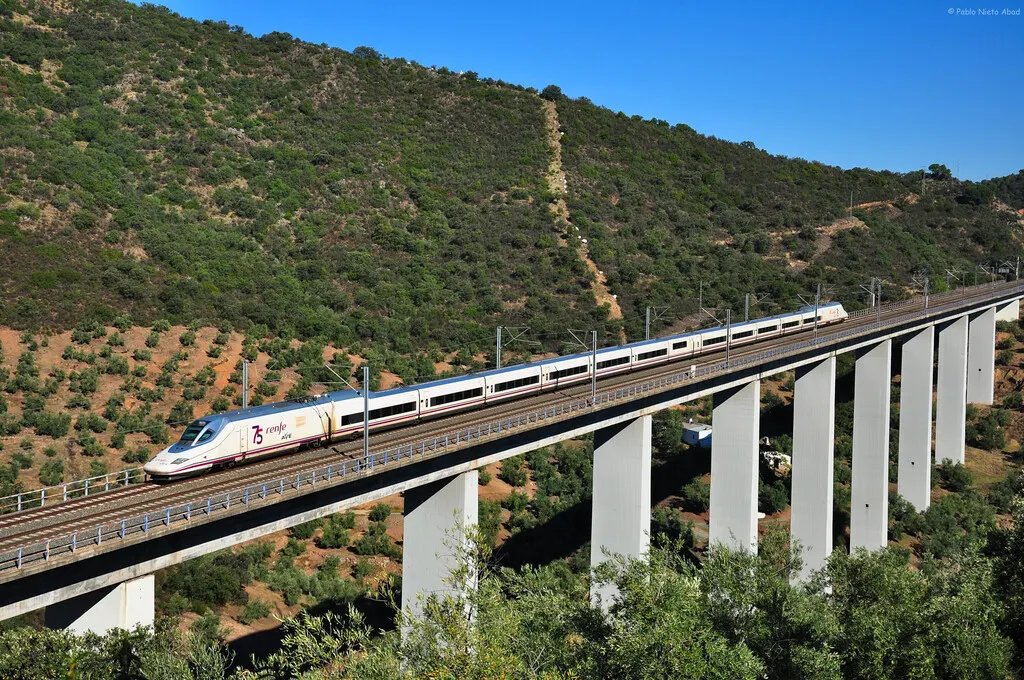
Spain's Transport Minister, Óscar Puente, said the LZB safety system used on the Madrid-Seville high-speed line has gone down 170 times so far this year. He made the statement during a press conference of more than 90 minutes, which also covered the state of the Spanish rail network, the operator responsible for the line and whether he would resign.
The figure covers the 300 days between 1 January and 28 October 2026. That means the system reported some kind of problem on more than half of the days. Puente argued the number is "within European normality" and said the data are stable, with a slight fall in signal interruptions over the past two years. He did not say how the failure rate compares with lines running the ERTMS system, nor did he give figures for other European countries. According to the minister, ERTMS will be activated on this line in January 2027.
Usually brief, but not this time
Train drivers and spokespeople for the Spanish drivers' union Semaf confirm that LZB transmission losses are recurrent. They describe them as usually momentary, like a computer that crashes and restarts seconds later. What was different on 28 October, they say, is that the system failed along a stretch of more than 60 kilometres, which is not common. The minister did not say how many of the 170 incidents were as serious as that one.
Safe, but obsolete
The press conference stressed that LZB is safe and that it is not being replaced for safety reasons. It is being replaced because it is obsolete: fewer spare parts are made, and the European Union requires ERTMS for interoperability between countries, which matters with rail liberalisation. LZB has been on the line since 1992, and the technology dates from the 1970s.
Drivers agree it is as safe as ERTMS. Traffic controllers share that view but say newer ERTMS versions are more reliable and reduce risk. The SCF union points to the physical cable, which contains copper and is therefore attractive to thieves, and says ERTMS connections should cause fewer interruptions. Semaf adds that fewer interruptions mean fewer occasions when a human must step in to manage traffic, and so fewer chances of error.
More from this day
See all →
Techtaka to Run Naver N Delivery Returns and Fashion Centers
Yakult Honsha Confirms Leak of About 40,000 Personal Records

Docomo SMTB Bank to Launch NEOBANK CASH, Replacing V NEOBANK