Galaxy S27 Ultra to Get Brighter Privacy Display, Reports Say
Samsung is reportedly reworking the Privacy Display for the Galaxy S27 Ultra and a new Pro model, aiming to fix the brightness loss of the first generation.
 SUMO· the number puzzle
 Dialo· learn languages by speaking
 ediviewer· read EDI files like documents
 giftdetect· the right gift in minutes
Samsung is preparing an improved version of its built-in Privacy Display for the Galaxy S27 Ultra, with the main goal of fixing the brightness penalty that marked the first generation. The feature is expected to be limited to the Ultra and a new Pro model, rather than reaching the whole lineup.
Early rumors suggested the hardware filter would come to the entire flagship family, including the base Galaxy S27 and the Plus variant. Current information says otherwise: only the top model and the new addition to the series will get it.
How the current system works
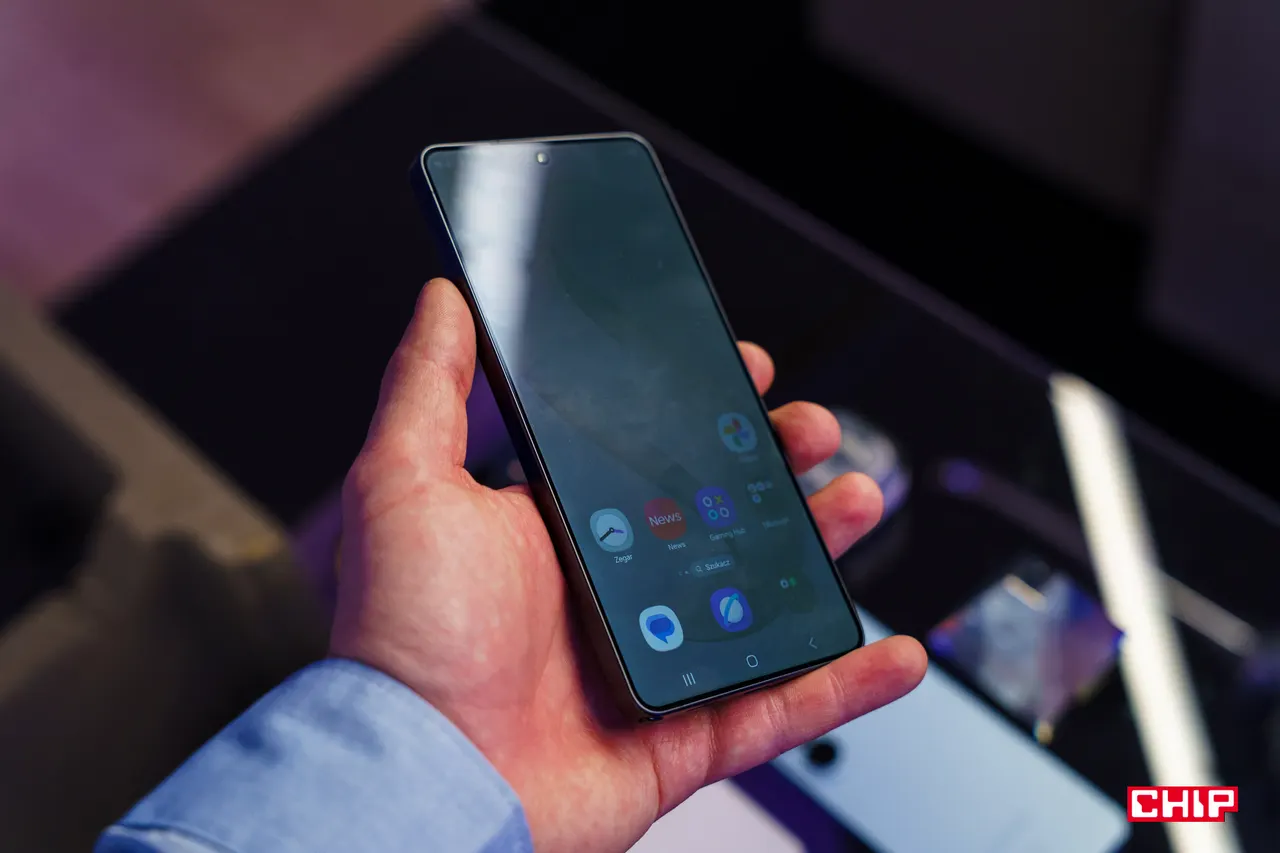
In the Galaxy S26 Ultra, Samsung did not rely on a software trick or a stick-on film. The display's pixels are physically split into two groups: standard wide-angle pixels and narrow ones surrounded by taller walls that direct light straight ahead. With the feature off, the panel keeps its usual sharpness, viewing angles and colors. When it is on, the wide-angle pixels are heavily dimmed or switched off, so someone looking from the side sees only a dark or gray patch.
The protection can be tuned. Users can enable it only for notifications, PIN entry or banking passwords, or tie it to automated routines, such as activating it on arrival at the office. A Maximum Privacy mode deliberately degrades contrast and black levels to block side views, at a clear cost to image quality.
What Samsung wants to fix
Because the feature disables roughly half of the pixels, peak brightness fell by about half. An anti-reflective coating still kept content readable at around 800 nits, but the drop was noticeable in direct sunlight. Users also pointed to lower peak brightness even with the feature off, image graying, sharpness issues and faster eye fatigue.
Samsung is now said to be raising the base brightness of the panels significantly, so the improved Privacy Display works without drastic compromises, even on sunny days.
Xiaomi has already moved in this direction with Smart Privacy Display on its Super Pixel 2.0 screens. It combines hardware and software, allowing selective protection on floating app windows, in split-screen mode and even on individual notifications. Some sources suggest Samsung may follow a similar path, though none of this has been confirmed by the company.
Apps worth a look
SUMO: the number puzzleTap the right tiles, add them up, hit the target. Easy to learn, hard to master. Free, for all ages.
Dialo: learn languages by speakingTalk to an AI conversation partner; every sentence comes back corrected and explained in your language. 9 languages, A1 to C2.
ediviewer: read EDI files like documentsOpen EDIFACT and X12 messages, see every segment explained, convert to JSON/XML, export PDF and Excel. Runs locally, no upload.
giftdetect: the right gift in minutesPick who it is for, the occasion and their personality. The search engine reads product descriptions from local shops and ranks what fits. Free, no sign-up.
More from this day
See all →
Meta acquires AI coding startup Conductor to expand dev tools
Samsung Brings Sleep Apnea Risk Detection to Galaxy Ring and Watch

OpenAI Raises Bug Bounty Rewards to as Much as $172,000
Apple's Storage Upgrade Margins Fall From 1,200% to 200%
More in: Mobile
See all →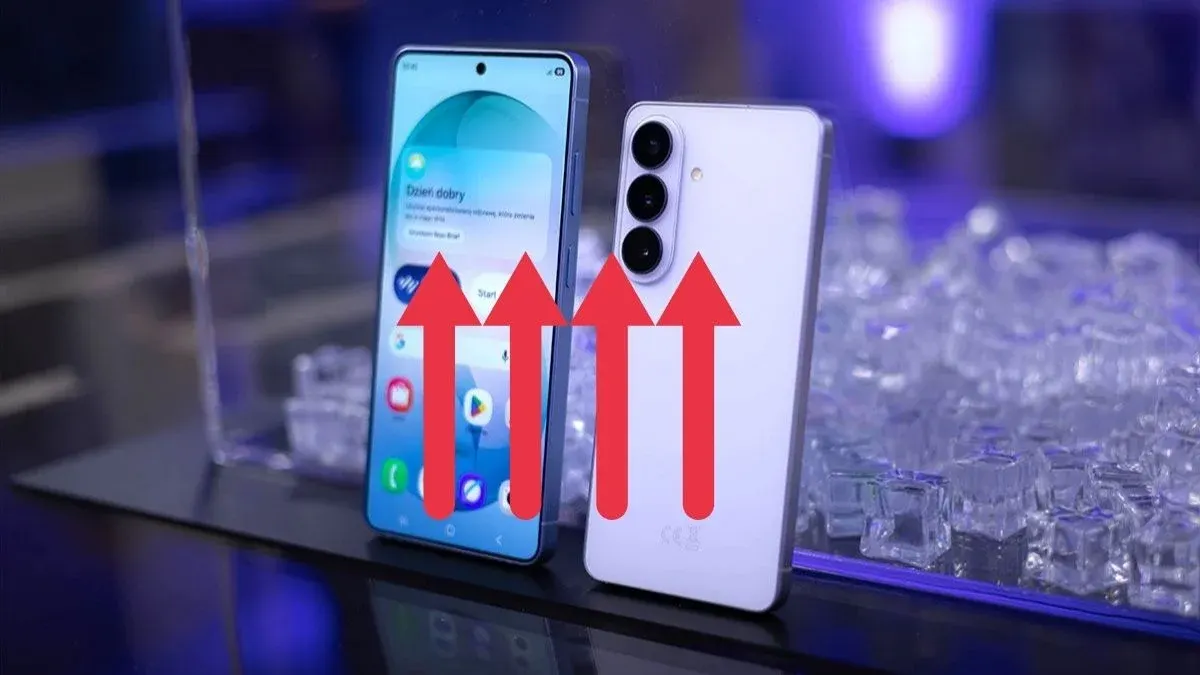
Samsung One UI 9.5 Beta Firmware Appears for Galaxy S26 Ultra
Apple Watch Series 12 and Ultra 4 get Live Rewind, Siri Recap

Apple Retention Messaging Lets Developers Offer Cancel Deals