French Police Warn Officers of Rising Phone Spoofing Scams
France's national police chief and Interior Minister Laurent Nuñez have warned officers about a surge in spoofing calls aimed at extracting data from police files.

France's national police director general, Louis Laugier, and Interior Minister Laurent Nuñez have issued an internal warning to law enforcement about a rise in spoofing scams. Fraudsters are spoofing phone numbers, including those of police stations and neighbouring gendarmerie units, to trick officers into handing over sensitive information.
How the scam works
An internal telegram sent to forces says territorial police services have recently noted "a surge in fraudulent phone calls aimed at obtaining information from police files". Spoofing lets a criminal display any chosen number on the recipient's phone. According to the accompanying guidance note, the callers have equipment that can show the number they want on a station's handset.
The note adds that the fraudsters have a thorough command of the institution's language and procedures, and "do not hesitate to stage genuine performances". In the example given to officers, a policeman receives a call apparently from the nearby gendarmerie. The number is genuine, but it has been spoofed, and the caller is an impostor. Once trust is established, he can ask for details from a police database, and may invent a technical fault on the station's terminal if challenged.
Internal documents say the technique can be used to mock or deceive officers. Scammers may post recorded conversations online, or try to have the immobilisation of a vehicle banned from the road after an offence lifted.
The counter-call defence
Officers are reminded to use internal channels such as the radio first, and to always check both the validity of a request and the identity of the person making it.
They are also advised to use a "counter-call", a safeguard that applies equally to the public. A scammer who spoofs a number cannot receive calls placed to it. So if you suspect spoofing, hang up and dial the number back: you will reach the real person or organisation. The one caveat is very short calls, which could be a "ping call", so you should not call back in that case.
Apps worth a look
 SUMO: the number puzzle
Tap the right tiles, add them up, hit the target. Easy to learn, hard to master. Free, for all ages.
 Dialo: learn languages by speaking
Talk to an AI conversation partner; every sentence comes back corrected and explained in your language. 9 languages, A1 to C2.
 ediviewer: read EDI files like documents
Open EDIFACT and X12 messages, see every segment explained, convert to JSON/XML, export PDF and Excel. Runs locally, no upload.
More from this day
See all →
COOLMOD Black Friday: COOLPC Black Gaming PCs From €699.95

Los Angeles shade balls: 96 million spheres, 11 years on

OpenVDDK: Free Alternative to VMware's VDDK After Broadcom Lockout

Astragon Entertainment Closes Development Studio in Hamm
More in: Security
See all →
MoneySmart reports customer data breach in Singapore and Hong Kong
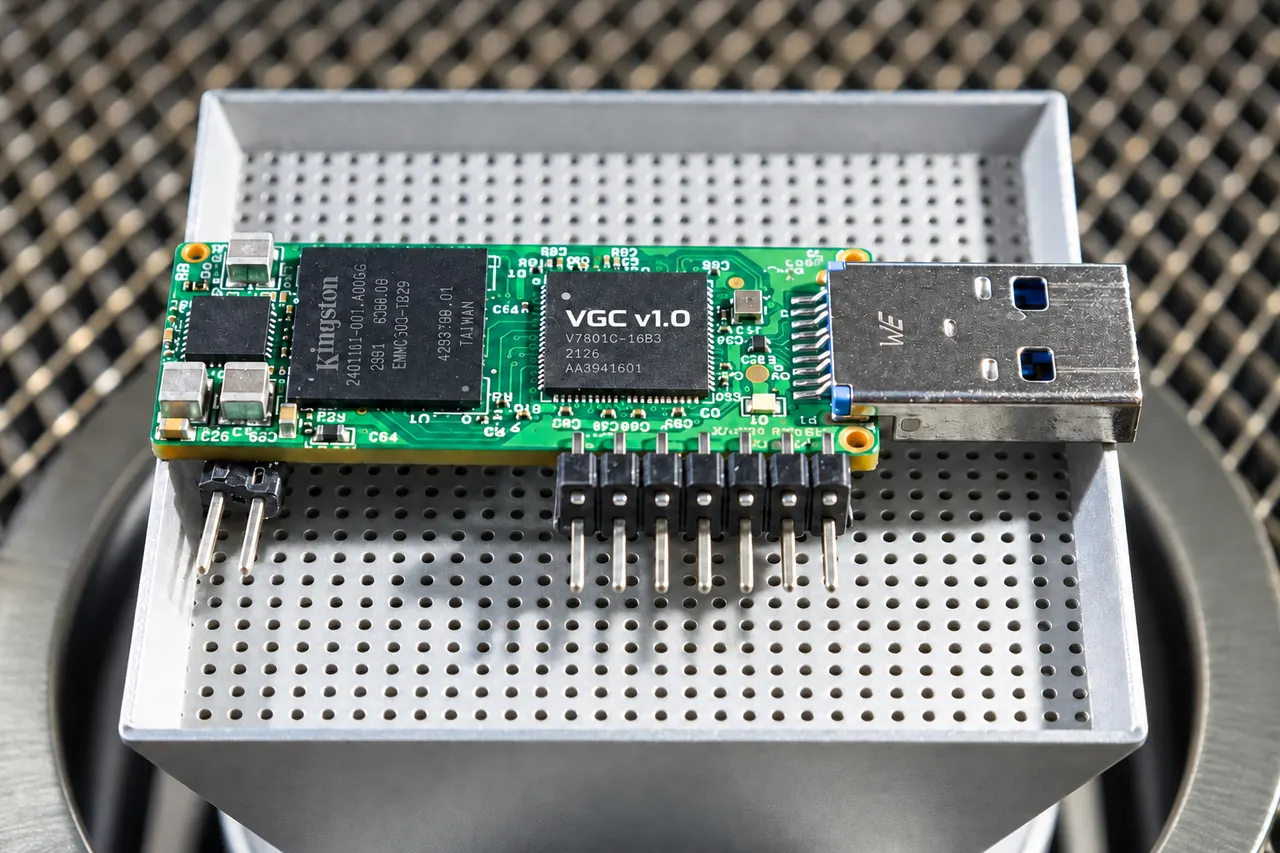
Viettel unveils VGC v1.0 chip for secure government systems

South Korea Probes Leak of Passport Data on 168 Air Force One Passengers