French Armed Forces' AI Agency Amiad Details Mistral Deal and Plans
Amiad, the French defence ministry's AI agency, explains what its framework agreement with Mistral AI brings and how it plans to keep military AI reliable and lawful.
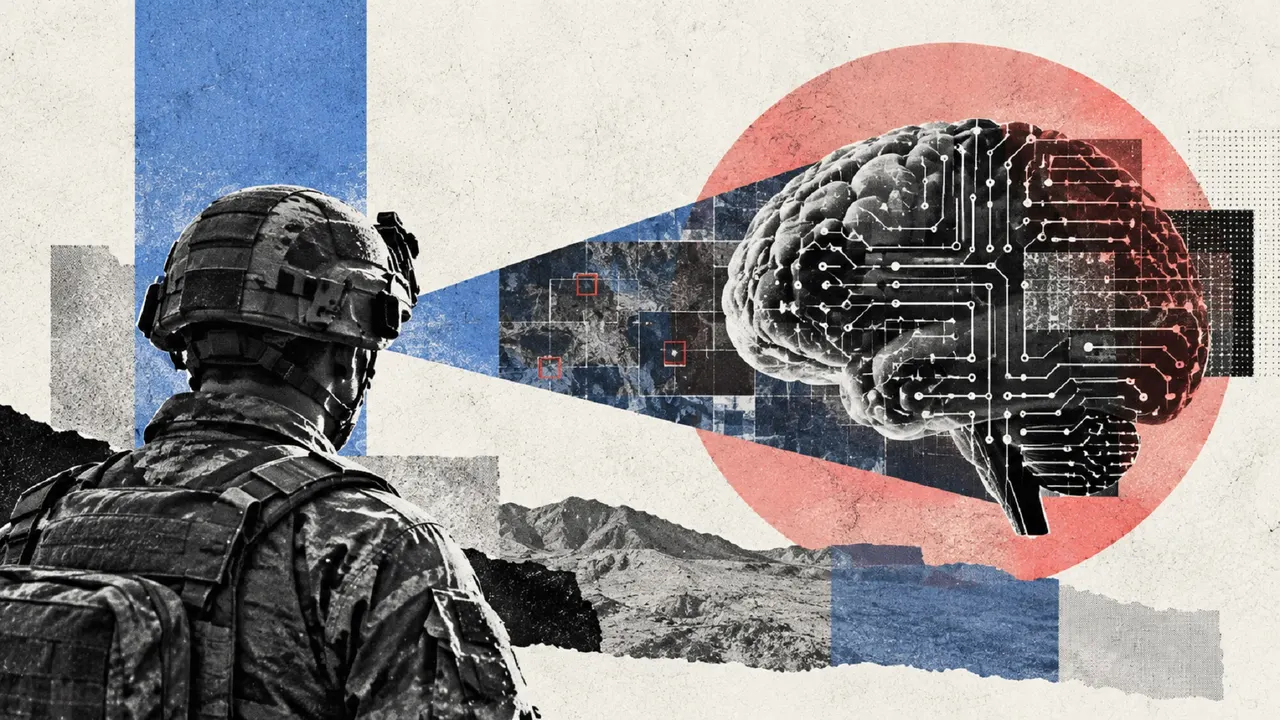
France's defence AI agency, Amiad, says its framework agreement with Mistral AI gives the armed forces access to models that are not freely available, along with computing capacity and the company's expertise. Alain Droniou, the agency's technical deputy director, described the projects under way in an interview conducted on 13 October.
The ministry announced the agreement in January 2026. Droniou notes that some Mistral models are open-weight and could have been downloaded anyway. The deal, however, also opens up models reserved for enterprise customers. Anything with a minimum of sensitivity, which covers many use cases, runs on the ministry's own infrastructure rather than on Mistral's.
From contracts to logistics
The use cases span the ministry's needs. One example is helping the defence procurement agency (DGA) draft contracts with major manufacturers: analysing past public contracts, extracting the data and automating the process from drafting to validation and notification. More operational uses for the Navy and the Army focus on mission and strategic planning, including logistics, resupply and force deployment for naval vessels.
Prospective uses also include target identification and simulating adversary reactions to planned actions. Amiad's role is to adapt Mistral's generic models to the ministry's vocabulary and methods.
Managing the risk of errors
Droniou acknowledges that generative AI raises problems of hallucinations and reliability. Mistral models will be used to build agent-based systems for controlling and planning Pendragon, described as France's first military robotics unit. They will be only one technology among several, intended to guarantee behaviour that respects the law of war, humanitarian law and the force's rules of engagement.
Amiad also assesses AI risks along five axes: reliability, cybersecurity, the human factor, safety, and legal or ethical issues. The aim is to impose safeguards suited to each use. The agency was launched in spring 2024 and is also working on the Arcadia command-and-control system, as the war in Ukraine speeds up the pace of military technology.
More from this day
See all →
Voyager 1 Gets Years More Science After Risky Big Bang Fix

Spotify Plans Paid AI Remix Tool, Launching Early 2027