Runware Plans an Assembly Line for Prefab AI Data Centers
Runware wants to build AI data center pods like cars, targeting 30 MW of capacity per day by 2028. Whether it can deliver at that scale is the real test.
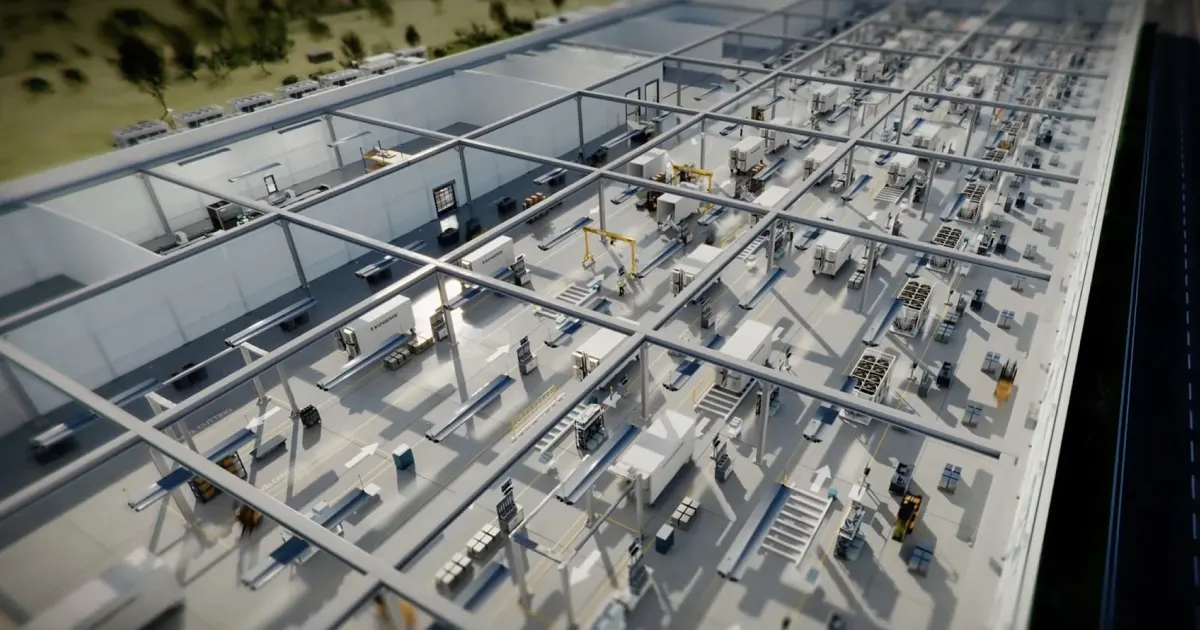
Runware, an AI infrastructure startup, plans to turn out prefabricated AI data centers on a production line, much like cars. The company told TechCrunch it aims to scale its Romania-based factory to 30 megawatts of capacity per day by 2028, or nearly 1 gigawatt per month.
That pace would be significant. At that rate, Runware would produce in a year roughly what the entire U.S. was expected to add in data center power this year, about 10 gigawatts. The plan comes just months after the company unveiled its Sonic Inference Pod, a modular data center built in a factory and shipped ready to install.
How the model works
CEO Flaviu Radulescu said Runware aims to bring pods online within 48 hours, a window that covers installation and set-up rather than build time. A pod once took three weeks to build, and the company says that will soon drop to one day. Customers can supply their own site or have Runware find one. They can rent compute or bring their own GPUs and pay a monthly fee for pods and operations, with power and internet billed separately.
Runware has two factories: one in use for a few years, and a second under construction that is expected to go online early next year. Rivals such as Crusoe and Schneider Electric also sell prefabricated pods, and Nvidia has announced its Vera Rubin AI factories and DSX POD. Runware says it differs by having actually built a factory.
Execution is the test
Everything remains a plan. The factory needs staff, inventory, logistics and money, and the failure of electric vehicle startup Arrival, once valued at more than $13 billion, is a cautionary tale. Runware has raised more than $60 million and is finishing the factory with its $50 million Series A, with a Series B planned. It has hired an experienced automotive plant manager.
Supply chains are a risk too: pumps and fans come from Germany, and networking still depends on Nvidia. Even so, Runware says it has received $1 billion in committed interest for its Sonic pods, representing over 20 megawatts.
On energy, Radulescu said the pods need only power and internet, using closed-loop liquid cooling with air-cooled radiators. Runware is working on a site pipeline of 397 megawatts, with potential to reach 1.2 gigawatts, and aims to rely mainly on renewables. After the factory opens, it plans to expand to the U.S. and other regions.
More from this day
See all →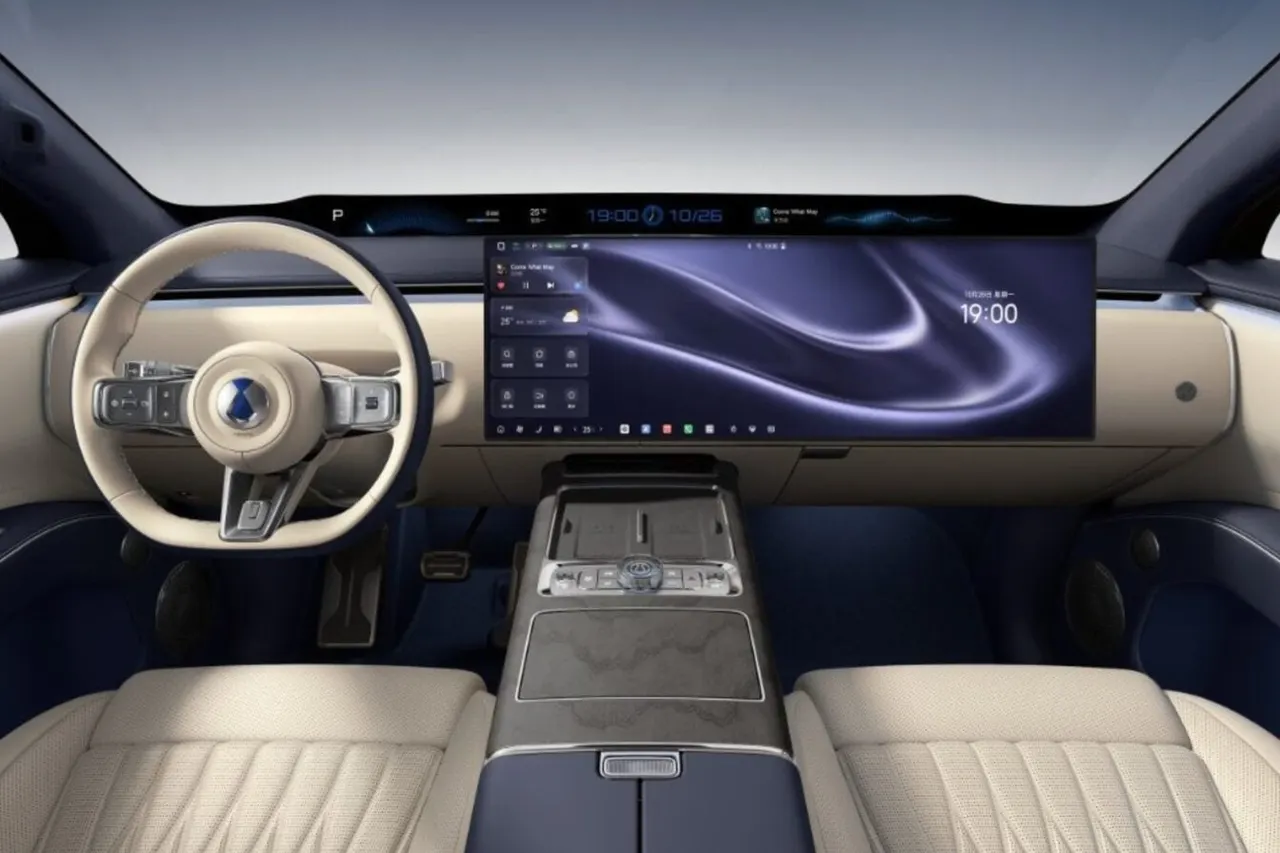
China Moves to Curb Giant Car Screens and Gimmicky Features

Sam Altman Calls Home PC RAM for Local AI 'Pretty Terrible'
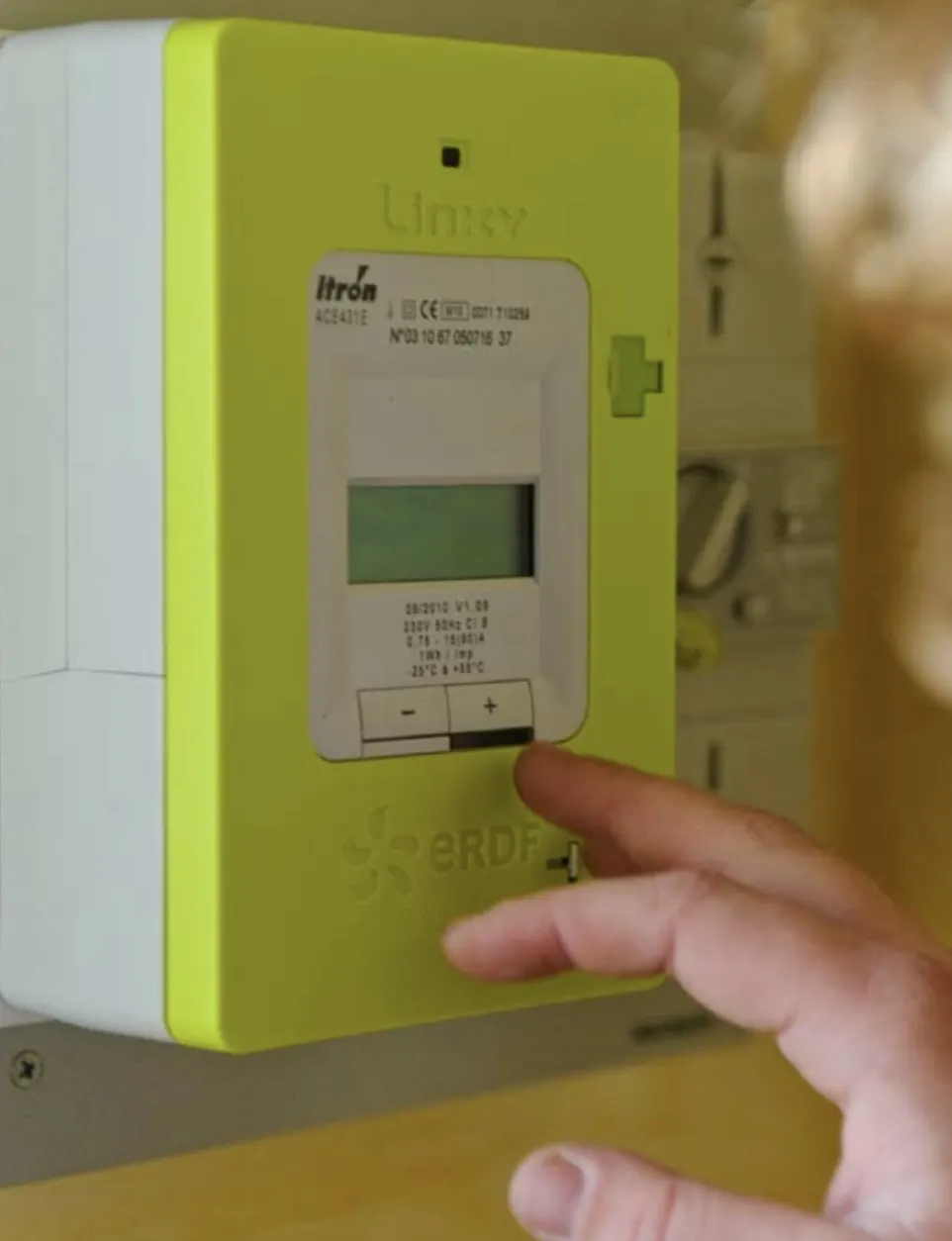
Octopus Renames Tempo Offer OctoSaisons as Chinese Solar Exports Fall
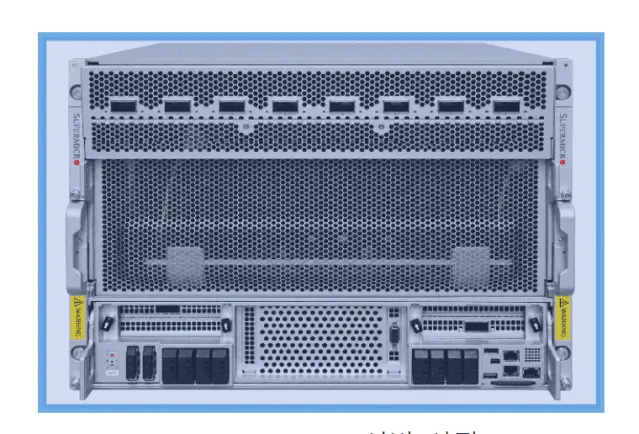
DS&G Backs Korea University's InThon Hackathon With Nvidia B300 Servers
More in: Startups
See all →
Neuralink Says Blindsight Implant Is Ready, Awaits Regulators

PB Fintech Q2 Profit Jumps 42% to ₹192 Crore as Revenue Rises 35%

CapGrid Raises ₹50 Cr to Move Into Precision Parts and Drones