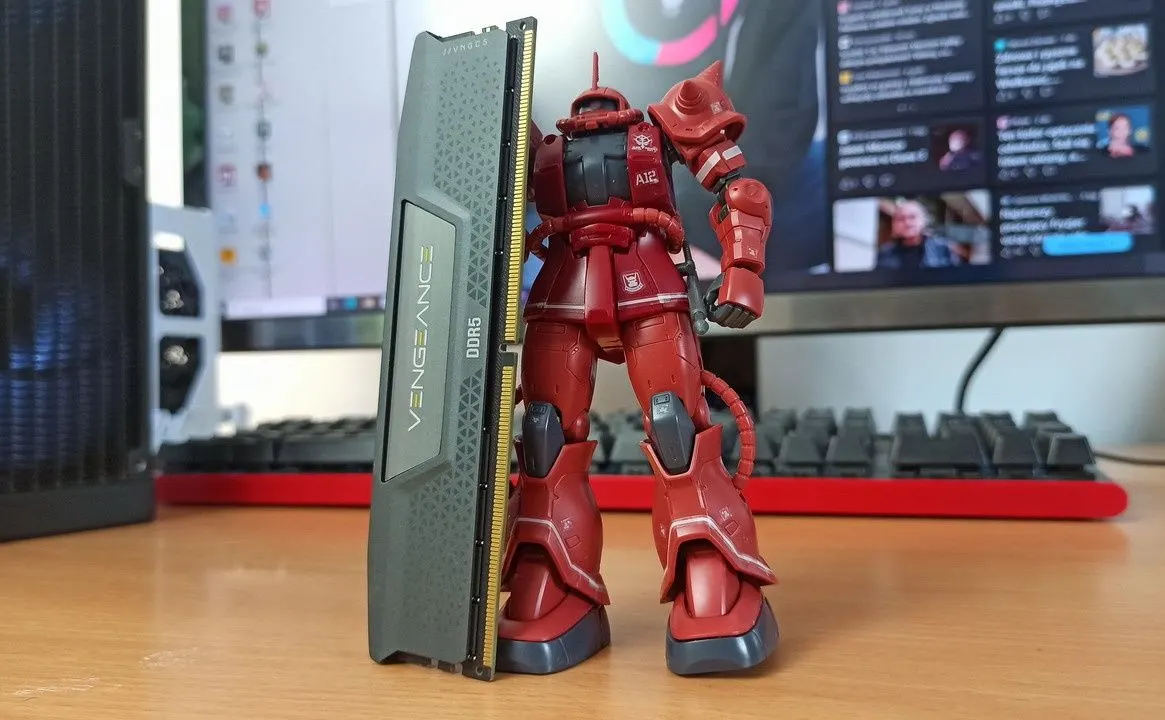
Sam Altman Calls Home PC RAM for Local AI 'Pretty Terrible'
OpenAI's CEO says it is a waste for people to hold scarce DRAM in PCs used 5% of the time, as memory prices have jumped three- to fourfold in a year.

Sam Altman, the CEO and founder of OpenAI, says it is "pretty terrible" that individuals tie up scarce memory by running open-source AI models locally on their own PCs. He made the remark in the Cheeky Pint podcast, published on 29 October 2026.
Around the 29-minute mark, the discussion turned to users who run open-source models on machines they already own or build for the purpose. Altman argued that this keeps part of the world's limited DRAM supply in computers used only about 5% of the time. In the cloud, he said, the aim is maximum utilisation, and he added that many people's intuition runs the other way.
A awkward backdrop
The timing is striking. A 32 GB DDR5 kit that cost around 119 euros in October 2025 was listed at about 414 euros in mid-October 2026, according to price tracking by Hardware Cooking. Memory prices have risen three- to fourfold in a year.
The cause is well known. Samsung, SK Hynix and Micron are directing production capacity to far more profitable chips for AI servers, at the expense of consumer modules. OpenAI is among the biggest buyers: in late 2025 it signed agreements with Samsung and SK Hynix to secure a large share of global DRAM output for its Stargate project.
Efficiency versus control
Altman's argument has some logic. Pooling hardware in datacenters that run around the clock is, on paper, more efficient than leaving memory idle in desktops, much like car sharing.
But PC memory also runs games, video editing and dozens of browser tabs. Local AI also keeps data at home and avoids server outages, price hikes and changes to terms of service. Many commenters read Altman's stance as a defence of a business model built on closed models that run only on OpenAI's servers and are paid for monthly.
The argument also assumes datacenter construction will keep pace and that pooled capacity will eventually be affordable for everyone. For now, consumers face subscriptions starting at 20 dollars a month and memory modules that can cost around 500 euros.
More from this day
See all →
Popcorn Time: Abandoned update servers put Mac users at risk

Claude Motion: Anthropic's New AI Animation Tool Tested

India E2W Registrations Rise 2.9% to 2.15 Lakh in October
StockGro Parent AssetGro Triples FY26 Profit to ₹113 Crore Before IPO
More in: Hardware
See all →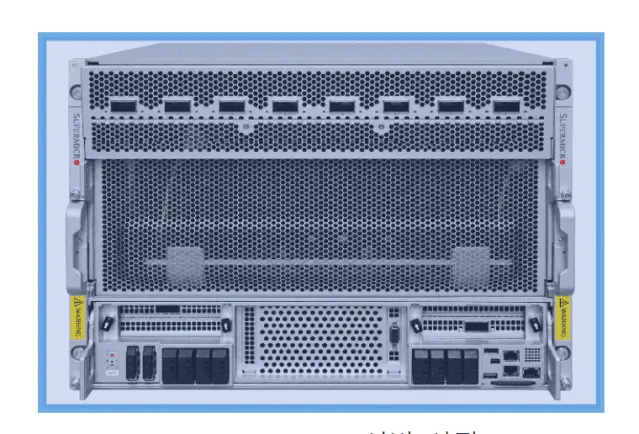
DS&G Backs Korea University's InThon Hackathon With Nvidia B300 Servers

GEX Pure Pet Fur Sweeper Collects Cat Hair Around the Clock

Arrowspace S1 Smart Screwdriver Uses AI to Pick the Right Bit