Fallout: New York, an AI-built fan game, pulled after Bethesda request
Chris First's browser game Fallout: New York, built with Claude Opus 5.5, was taken down days after launch after ZeniMax asked him to remove it and hand over the domain.
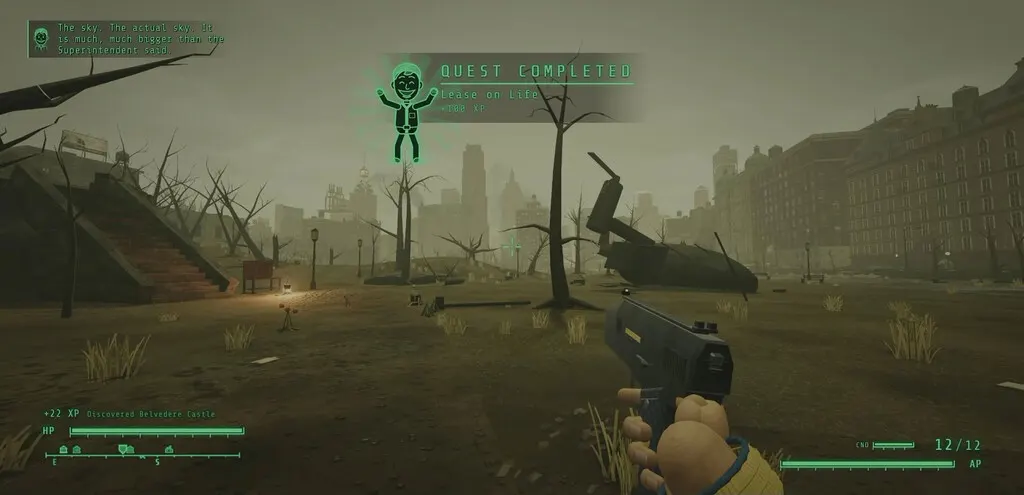
A browser-based Fallout fan game built with AI has been pulled just days after it went viral. Developer Chris First launched Fallout: New York on 28 September 2026, and on 1 October he announced its closure. According to First, ZeniMax, Bethesda's parent company, asked him to take the material down.
First says he built the game with Claude Opus 5.5. It ran in the browser with nothing to install and, by his account, offered quests, dialogue trees, the V.A.T.S. combat system and a working Pip-Boy. He also claimed 117 locations, 112 characters and 46 weapons, and said every building, weapon, face and sound was generated by code, with no texture or sound files. The launch post passed 3.5 million views on X.
Why the brand rules matter
The dispute comes down to ZeniMax's trademark guidelines, last updated on 2 May 2024. Without written or explicit permission, brand elements cannot be used in product names or domains, and projects must not suggest affiliation with or approval by the company. Games may be mentioned for informational purposes if that does not mislead people. Presenting your own product under a franchise name is a different case, even if the code was regenerated.
There is also room for confusion with an existing Fallout: New York mod, a volunteer project made with Creation Kit that says it is not affiliated with Bethesda Game Studios. It is separate from First's game, which used the domain fallout.nyc rather than falloutnyc.com.
What First does next
In a 4 October reply, First said ZeniMax had been polite in asking him to remove the game and that he would hand over the domain. He added that he has changed the game and is still working on the story, and he offered a private link for testing. In his view, the changes remove the rights conflict, though that does not amount to authorization from ZeniMax.
The case is an example of "vibe coding", building software through conversations with an AI. It produces a working program quickly, but, as the case shows, the name and distribution choices still need review.
More from this day
See all →
France's Assembly Backs 5.5-Cent Per-Gigabyte Tax on Streaming

Korea Venture Business Association Picks Cobot System, Zens, Fitin
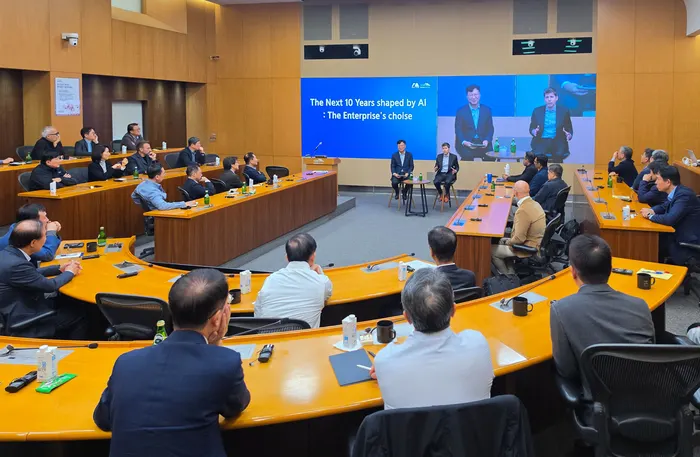
Samsung Invites OpenAI's Sam Altman to Brief Its Top Executives
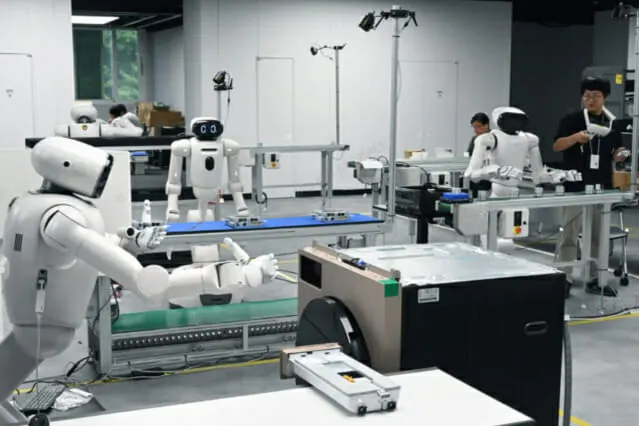
LG Electronics Starts Building Its Cloid Humanoid In-House
More in: Gaming
See all →
Sega's Chain Chronicle Faces 1–2 Months of Maintenance Over Security Flaw

MeowFactory Cat Factory Sim Gets Nov. 27 PC Release Date

Krafton and Netflix to Produce Live-Action PUBG Series