LG Electronics Starts Building Its Cloid Humanoid In-House
LG Electronics is now assembling its Cloid semi-humanoid at its Yangjae data factory in Seoul, ending reliance on contract makers as it moves to own key parts.
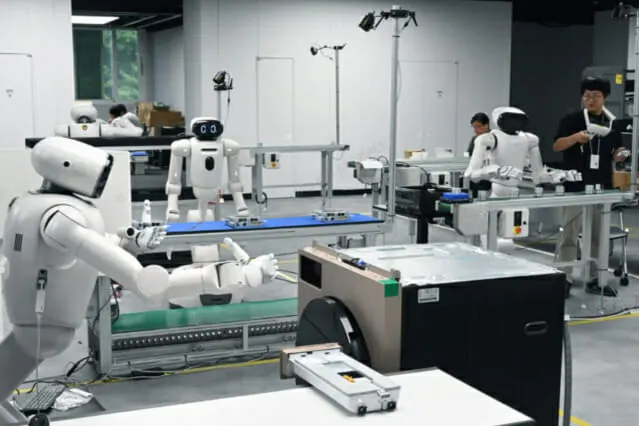
LG Electronics is now building its Cloid semi-humanoid robot itself at the Yangjae data factory in Seoul, according to robotics industry sources. Until now, outside companies including AgiBot and Robostar made the machines under contract.
Production is not yet at mass-production scale, so the robots appear to be assembled by hand rather than on factory equipment. A data factory is a facility that mimics homes and factories, where robots move, stack and assemble parts to generate real-world task data. LG is placing the Cloids it builds into that facility, and several hundred are expected to be deployed by the end of the year. One industry source said the units are for research and development and that LG will likely keep making humanoids itself.
From contract makers to in-house production
AgiBot built about 20 units in the second half of last year at LG's request. The Cloid reveal at CES 2026 was reportedly decided suddenly, leaving roughly six months of preparation, which is why LG is believed to have turned to the technically capable Chinese firm. AgiBot is China's largest humanoid maker, with a 44% share of global humanoid shipments in the first half of this year, and LG invested in it last year alongside Mirae Asset Group.
Robostar, an industrial robot company in which LG holds 33.4%, took over Cloid production in the first half of 2026. A source said it is not currently making them.
Actuators and chips at the core
LG plans to bring actuators and compute chips in-house. It set up a pilot actuator line in Changwon in the first half and is preparing for mass production in the second half through equipment automation and quality improvements, while pursuing orders from potential global customers. Actuators account for more than half of a humanoid's manufacturing cost, so making them internally largely determines price competitiveness.
On chips, one source estimated that in-house compute silicon could give a 30 to 40% cost advantage over rivals. LG is expected to use Nvidia chips in the short term and develop its own over the medium to long term, possibly adding Intel and Qualcomm parts to reduce single-supplier risk. Qualcomm's IQ9 and IQ10 were cited as likely candidates for their power efficiency.
More from this day
See all →
Satellite Deposit Scheme: $200,000 Bond Could Cut Space Debris
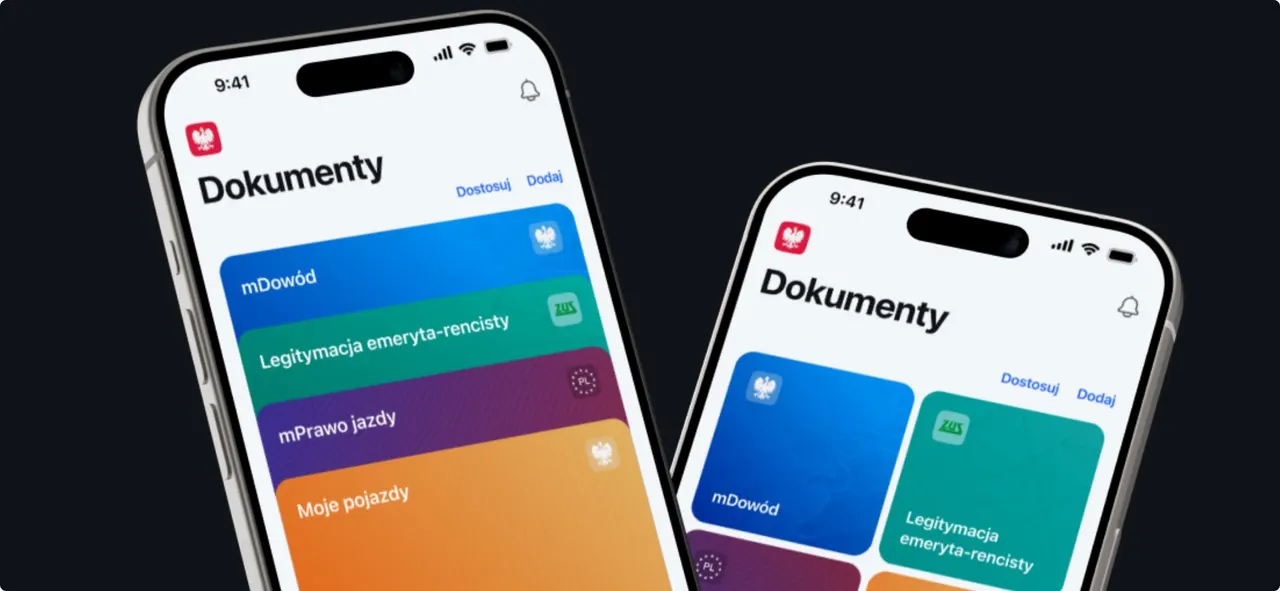
mObywatel app: next major update set to arrive in 2027

Polish Crystals Flown Around the Moon on Orion Detect Faint Radiation

Peugeot 208 III: What We Know About the Next-Gen City Car
More in: Hardware
See all →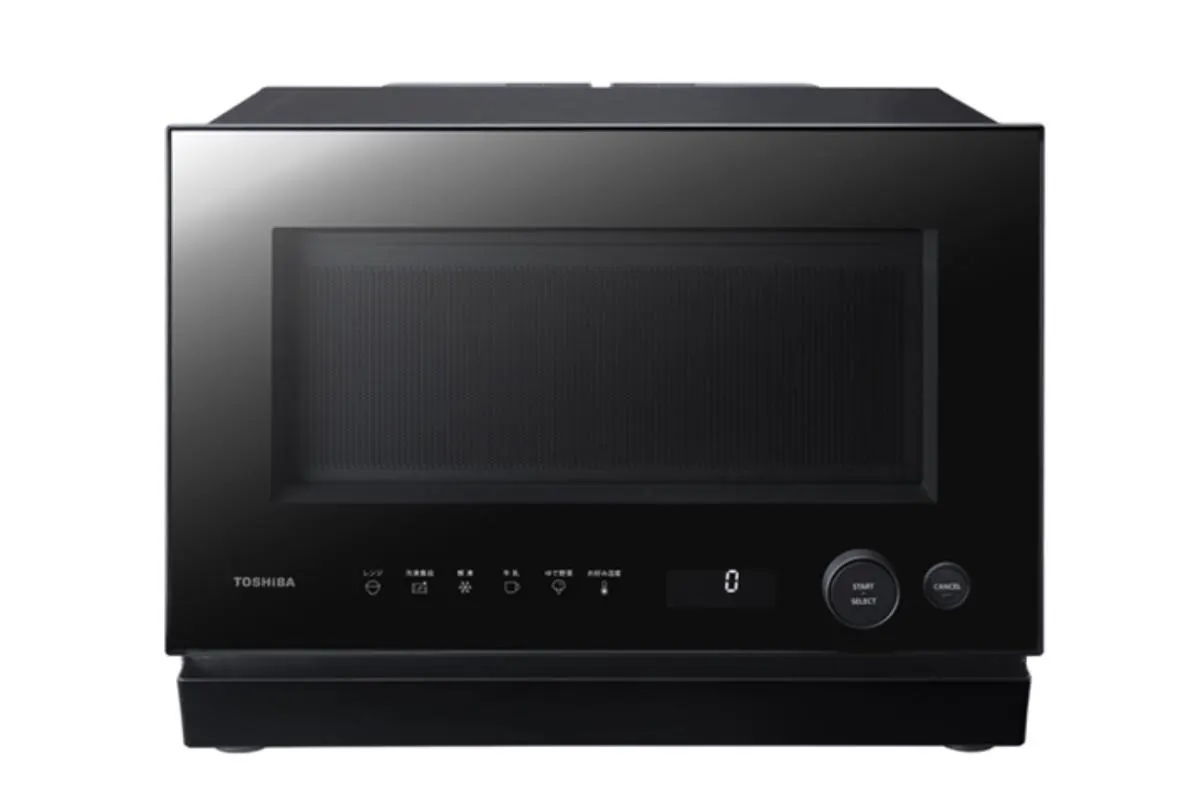
Toshiba ER-WM01C Microwave Uses Semiconductors to Cut Cold Spots
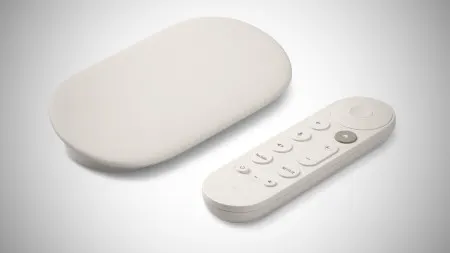
Google raises TV Streamer 4K price by more than 40 percent
Cosmoke Builds Inline Non-Destructive Tester for MRAM Films