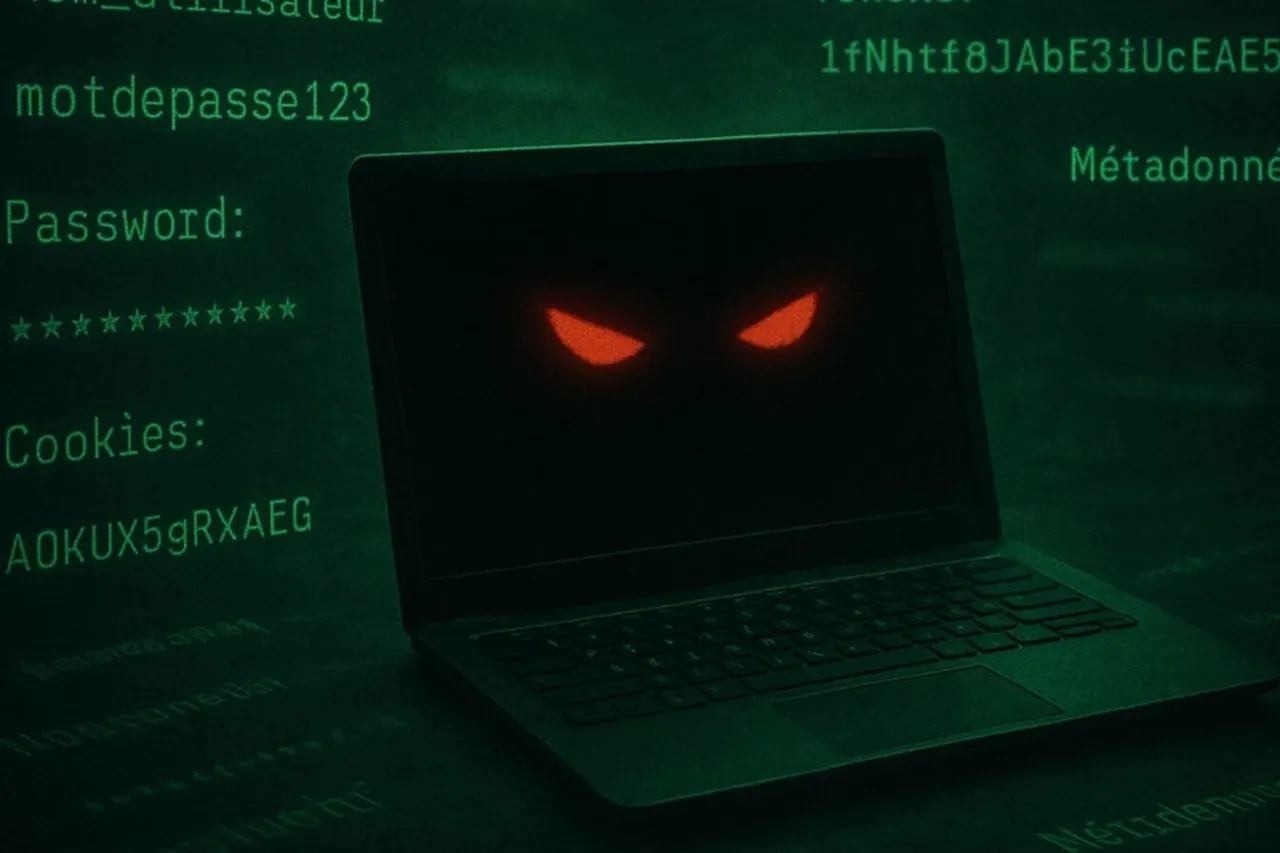
FaceStealer: North Korean hackers use fake video calls to steal $400M
The FBI says North Korean hackers stole over $400 million in crypto by playing prerecorded videos of people victims know on fake Zoom, Teams and Meet calls.

 SUMO· the number puzzle
 Dialo· learn languages by speaking
 ediviewer· read EDI files like documents
 giftdetect· the right gift in minutes
You get a meeting invite from a colleague. You join, and there they are, nodding on screen. The audio is broken, though. That is the trap the FBI calls FaceStealer, and it has netted North Korean state-backed hackers more than $400 million in cryptocurrency over the last 18 months.
According to the FBI, the invitation comes from hijacked accounts belonging to earlier victims. It leads to a fake version of Zoom, Microsoft Teams or Google Meet, where the attackers play prerecorded video of someone the target knows, so the call looks real. The agency says it has seized more than 900 secretly recorded videos of victims.
How does the FaceStealer scam work?
Then the sound seems to fail, and a message on screen offers a link to "fix" it. That fix installs the malware, which gives the attackers access to the victim's contacts and apps. While the target waits in the lobby, the webcam is secretly recording. Those clips later serve as bait to fool the victim's own acquaintances, and the chain keeps going.
The targets are people working in crypto and web3, plus developers who build and maintain open-source software. Brett Leatherman, who runs operations for the FBI's cyber branch, says FaceStealer goes after them "aggressively".
Why it matters
The money has a destination. Leatherman says the North Korean regime relies on large-scale crypto theft to fund its illicit weapons programme, and that it has stolen billions of dollars in recent years.
The warning came nine days after Binance said, on 3 November, that North Korean hackers used a fake job interview to take about $6.3 billion. Reuters called it a record theft. The FBI attributes that attack to actors linked to North Korea, although Pyongyang has denied it.
Patrick Grandy, head of the FBI's Los Angeles office, calls FaceStealer "a highly effective social engineering scheme" that can fool even the most technical and security-aware user. "If you can't imagine a scenario in which you could be a victim, you're not thinking creatively enough," he said.
Apps worth a look
SUMO: the number puzzleTap the right tiles, add them up, hit the target. Easy to learn, hard to master. Free, for all ages.
Dialo: learn languages by speakingTalk to an AI conversation partner; every sentence comes back corrected and explained in your language. 9 languages, A1 to C2.
ediviewer: read EDI files like documentsOpen EDIFACT and X12 messages, see every segment explained, convert to JSON/XML, export PDF and Excel. Runs locally, no upload.
giftdetect: the right gift in minutesPick who it is for, the occasion and their personality. The search engine reads product descriptions from local shops and ranks what fits. Free, no sign-up.
More from this day
See all →
Farcall: an IBM PC emulator in Rust you can reach over SSH
Windows 11 Phone Dialer: Microsoft Doesn't Know Why It's Still There

Flooded Los Santos: GTA V's city under rising seas by 2300

Euclid finds the most distant quasar yet, 630 million years after the Big Bang
More in: Security
See all →
1Password 7 support end: the company wants offline users to switch

3.5 billion records leaked: two open databases, 840M Chinese IDs

GPS jamming over the North Sea hit 140 flights in 20 minutes