EU Court Adviser: Google's Gemini May Infringe Publisher Rights
An Advocate General at the EU's top court says Gemini can infringe publishers' rights when it reuses their articles in answers, opening a path to compensation claims.
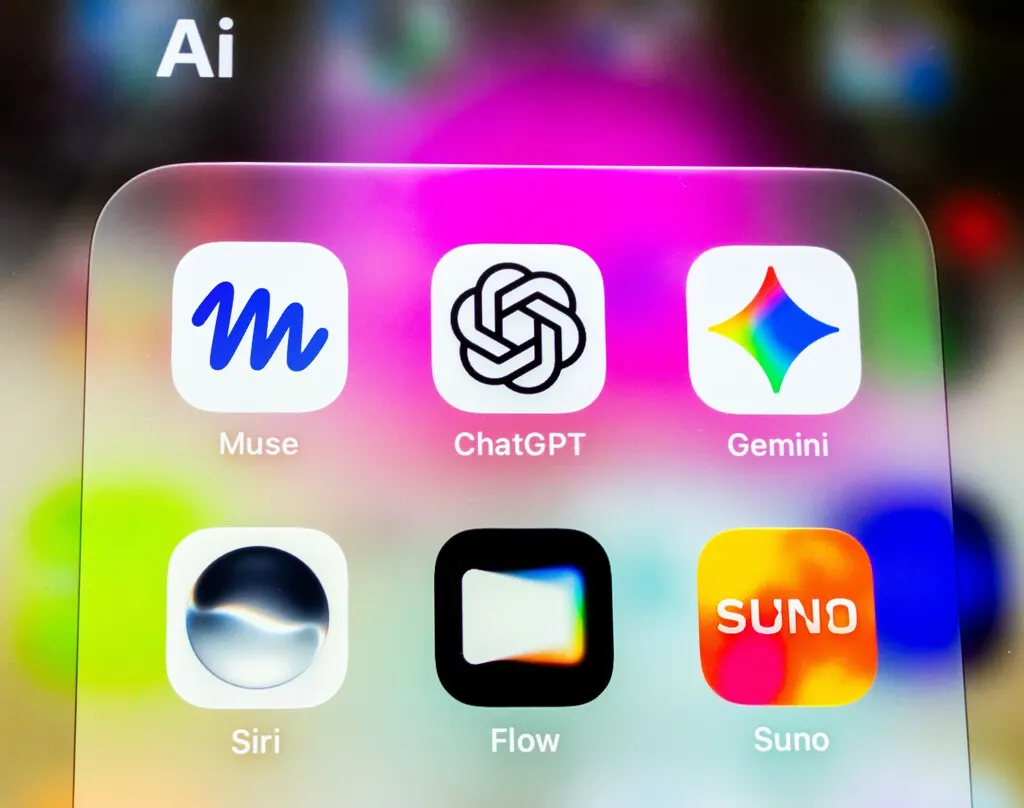
Gemini can infringe publishers' rights when it retrieves and reuses their articles to generate answers, Advocate General Maciej Szpunar of the Court of Justice of the European Union (CJEU) concluded on Tuesday, 3 November. The opinion is a setback for Google and could open the door to financial claims by news outlets. It is not binding: the court's judges still have to rule.
A case that began in Hungary
The dispute started with Like Company, a Hungarian firm that runs several news portals. It took legal action against Google, arguing that Gemini used its publications without permission. The case file cites an article about Kozsó, a Hungarian singer who wanted to build a dolphin aquarium by Lake Balaton. At a user's request, the assistant produced a detailed summary of it. A Hungarian court, unsure which rules apply, referred questions to the CJEU.
Where the line falls
Not every AI answer based on news is an infringement. European law separates the facts an article reports from its specific form of expression, which can be protected. According to the Advocate General, Gemini may violate publishers' rights when it reproduces their publications in a recognisable way, or when it accesses them by circumventing effective technical protection measures.
Model training, by contrast, may fall under text and data mining exceptions under certain conditions. Szpunar proposes that the court not admit the questions on this point, because there is no evidence that Like Company's articles were used to train Gemini.
Why publishers care
Page views fund digital journalism through advertising and subscriptions. When users get an answer from Gemini or an AI Overviews summary, they may never click through to the original article. Pew Research Center found in 2025 that among the US users it analysed, 8% of visits to Google results pages with AI summaries ended in a click on traditional links, against 15% when no summary appeared. Chartbeat data cited by the Reuters Institute shows a 33% global drop in organic search traffic to more than 2,500 websites between November 2024 and November 2025, though not all of that is attributed to AI. In 2024, France fined Google €250 million for breaching commitments tied to publishers' rights, including some related to Bard, Gemini's predecessor.
What happens next
The CJEU's judges will have the last word on interpreting EU law, and their ruling will be binding. It will then fall to the Hungarian court to decide the specific dispute, whether an infringement occurred and what consequences follow, including possible financial compensation.
Apps worth a look
 SUMO: the number puzzle
Tap the right tiles, add them up, hit the target. Easy to learn, hard to master. Free, for all ages.
 Dialo: learn languages by speaking
Talk to an AI conversation partner; every sentence comes back corrected and explained in your language. 9 languages, A1 to C2.
 ediviewer: read EDI files like documents
Open EDIFACT and X12 messages, see every segment explained, convert to JSON/XML, export PDF and Excel. Runs locally, no upload.
More from this day
See all →
Revolut switches to Chinese GLM-5.1 model, cuts AI costs tenfold

Rafale B374 test aircraft delivered to prepare the future F5

Hyundai to Launch South Korea's First 13m Hydrogen Coach in 2027