DSCI Proposes Liability Framework for Harm Caused by AI Agents
India's Data Security Council has proposed an industry framework that assigns liability for AI agent harm across the value chain, based on who controls key decisions.
The Data Security Council of India (DSCI) has proposed an industry framework for determining liability when autonomous AI agents cause harm. It recommends spreading responsibility across the AI value chain according to the decisions each participant makes and how much control it has over the system.
The discussion paper, titled "AI Liability: Industry Guidance for Agentic AI", does not call for a new regulatory regime. Instead, it applies existing laws, contractual obligations and sectoral rules to agentic systems. DSCI argues that blame should not fall only on the company deploying an AI system or on the vendor supplying it.
Who is responsible for what
The paper covers five groups in enterprise AI deployment: end-user organisations, service providers and integrators, product companies and startups, tool and framework providers, and cloud and infrastructure providers. AI model providers are examined separately.
Deploying companies would answer for use-case selection, permissions, operational risk assessment and deciding when humans must approve actions. Product companies could be held accountable for product claims, default settings and model versions. Integrators would carry responsibility for system design, approval mechanisms and failure handling. Tool providers would be accountable for orchestration, memory and safety features, while cloud providers would handle isolation, identity management, data retention and logs.
The model type matters too. Firms running open-source or open-weight models on their own infrastructure take on more responsibility for auditing and monitoring. Those using closed models through managed APIs may seek contractual recourse, subject to agreement terms and liability caps. Model providers stay responsible for capabilities, safety measures, disclosure of known limitations and notice of major behaviour changes, though their liability may shrink when others control deployment.
Risks and safeguards
Unlike conventional AI that produces output for human review, agents can plan tasks, call APIs and act with limited oversight. DSCI warns of unauthorised transactions, wrong payments and data breaches, and of cascading errors when agents delegate tasks across organisations. It lists 12 harm areas, from privacy breaches to deepfakes and loss of control.
The proposed safeguards include removing unnecessary capabilities, limiting permissions, requiring human approval for significant or irreversible actions, monitoring behaviour, enabling safe scale-back and deploying kill switches with defined ownership.
DSCI has invited developers, industry members and policy think tanks to submit feedback, and plans further guidance on authority mapping, physical and biological systems, and agents run by customers and partners. The paper follows MeitY's consent-based DEPA for AI Training proposal and TRAI's draft AI guidelines for telecom, with comments due November 27.
Apps worth a look
 SUMO: the number puzzle
Tap the right tiles, add them up, hit the target. Easy to learn, hard to master. Free, for all ages.
 Dialo: learn languages by speaking
Talk to an AI conversation partner; every sentence comes back corrected and explained in your language. 9 languages, A1 to C2.
 ediviewer: read EDI files like documents
Open EDIFACT and X12 messages, see every segment explained, convert to JSON/XML, export PDF and Excel. Runs locally, no upload.
More from this day
See all →
ElevenLabs CEO Eyes IPO Preparations in 2028, Adds Voice Detector

Google Confirms Pixel Watch Battery Drain Bug, Fix Rolling Out
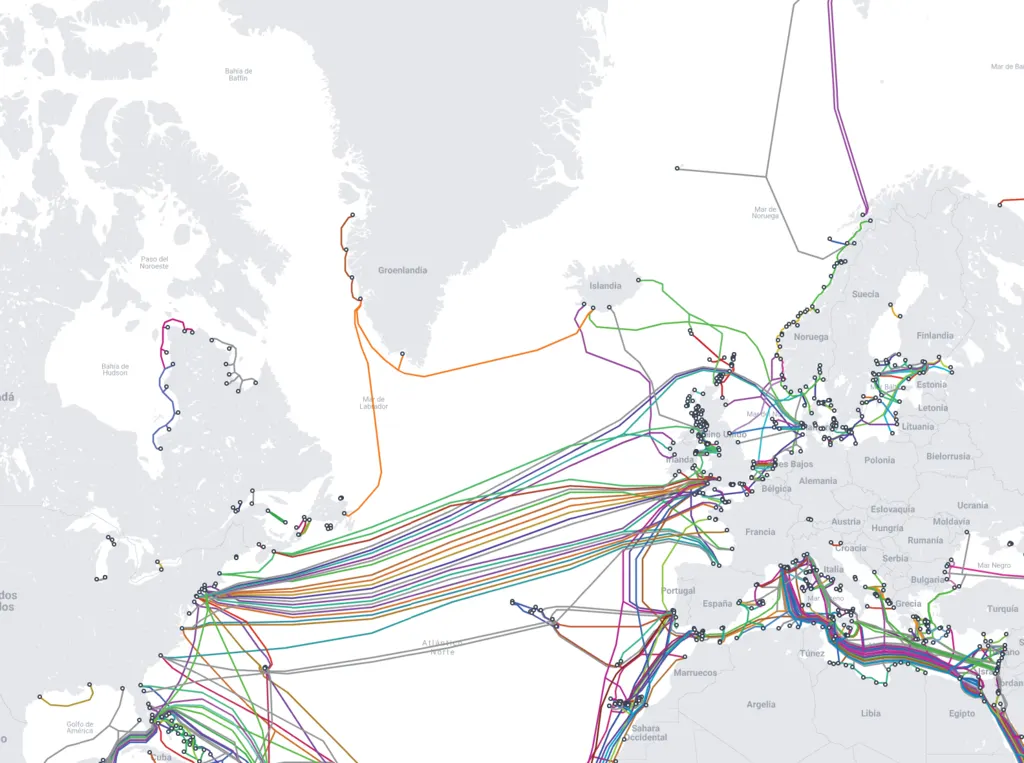
EU Plans Pan-Arctic Cable Linking Greenland Directly to Europe