bit.bio closes $25M Series D to scale human cell models
Human cell programming company bit.bio has raised $25 million in Series D funding to widen its portfolio of human cell models and make them available to more drug developers.
 SUMO· the number puzzle
 Dialo· learn languages by speaking
 ediviewer· read EDI files like documents
 giftdetect· the right gift in minutes
Human cell programming company bit.bio has closed a $25 million Series D round to expand its portfolio of human cell models and give pharmaceutical firms, biotech businesses and research organisations wider access to its technology.
The round follows the company's Series C earlier this year. Existing investor M&G Investments took part, as did Dr Jonathan Milner, founder and former CEO of Abcam.
Why human cell models are in demand
Drug discovery teams increasingly need experimental models that predict how a treatment will behave in people. Traditional animal models are limited by biological differences between species, which is pushing interest toward human cell-based alternatives that can support more relevant testing and reduce reliance on animal experiments.
Advances in AI add to the pressure. As software speeds up the identification and design of drug candidates, researchers need consistent, reproducible human cell models to assess safety and effectiveness.
The opti-ox platform
bit.bio's answer is its proprietary opti-ox™ platform, which produces defined human cell types consistently and at scale. The technology is meant to overcome donor variability and limited cell supply. Its ioCells portfolio already covers more than 50 human cell types, including models of the heart, liver and central nervous system, used in disease research, functional genomics, drug discovery and toxicology.
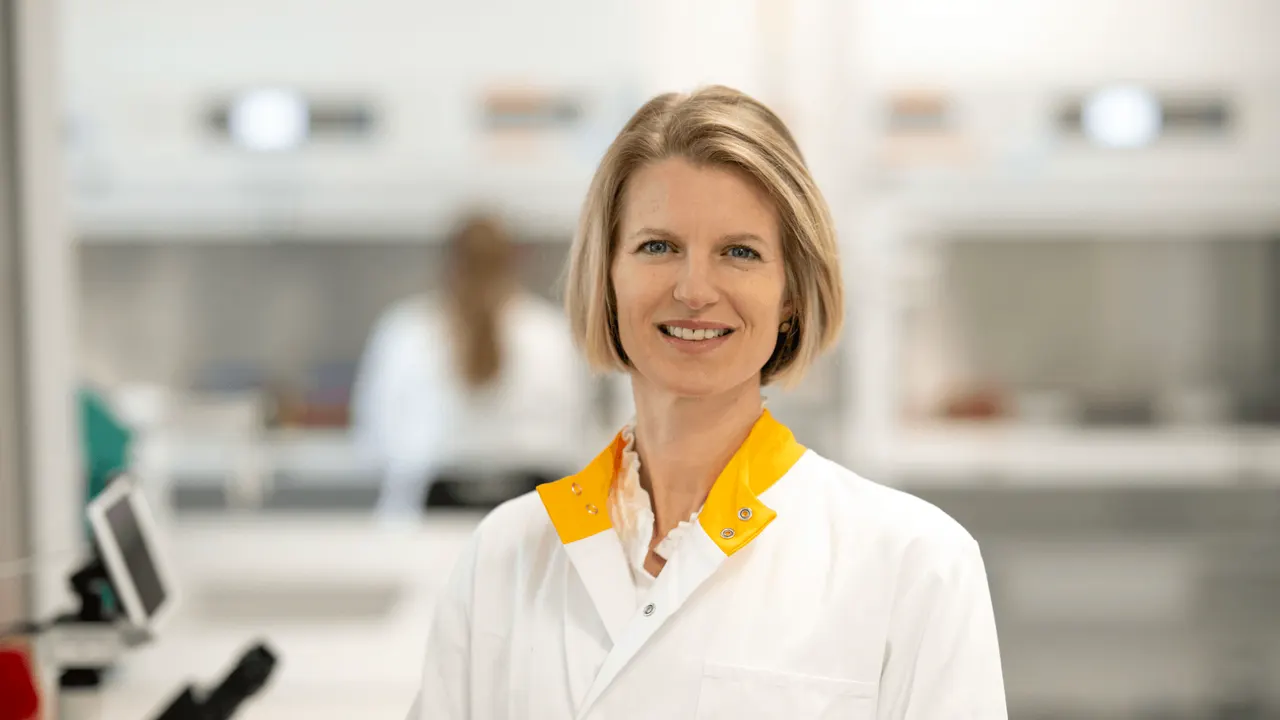
CEO Dr Emma Pepperell said the industry is reaching an inflection point: AI is changing how quickly medicines can be found, while the shift toward animal testing alternatives is raising demand for models that better reflect human biology. Both trends, she said, require vast quantities of consistent human cells, and investors believe bit.bio can supply them at scale.
With its manufacturing infrastructure already in place, the company plans to use the new capital to add more human cell types and make its models available to more researchers. It will focus on turning rising demand into commercial growth while supporting the development and testing of new medicines.
Apps worth a look
SUMO: the number puzzleTap the right tiles, add them up, hit the target. Easy to learn, hard to master. Free, for all ages.
Dialo: learn languages by speakingTalk to an AI conversation partner; every sentence comes back corrected and explained in your language. 9 languages, A1 to C2.
ediviewer: read EDI files like documentsOpen EDIFACT and X12 messages, see every segment explained, convert to JSON/XML, export PDF and Excel. Runs locally, no upload.
giftdetect: the right gift in minutesPick who it is for, the occasion and their personality. The search engine reads product descriptions from local shops and ranks what fits. Free, no sign-up.
More from this day
See all →
ChatGPT to merge its Chat and Work tabs into a single interface
STATION F startups raise record €2B as 2026 Future 40 is named

Russia Plans Underground Data Centers After Ukrainian Drone Hits