Asteroid 1998 KY26: Could It Be the Lost Soviet Probe Phobos 1?
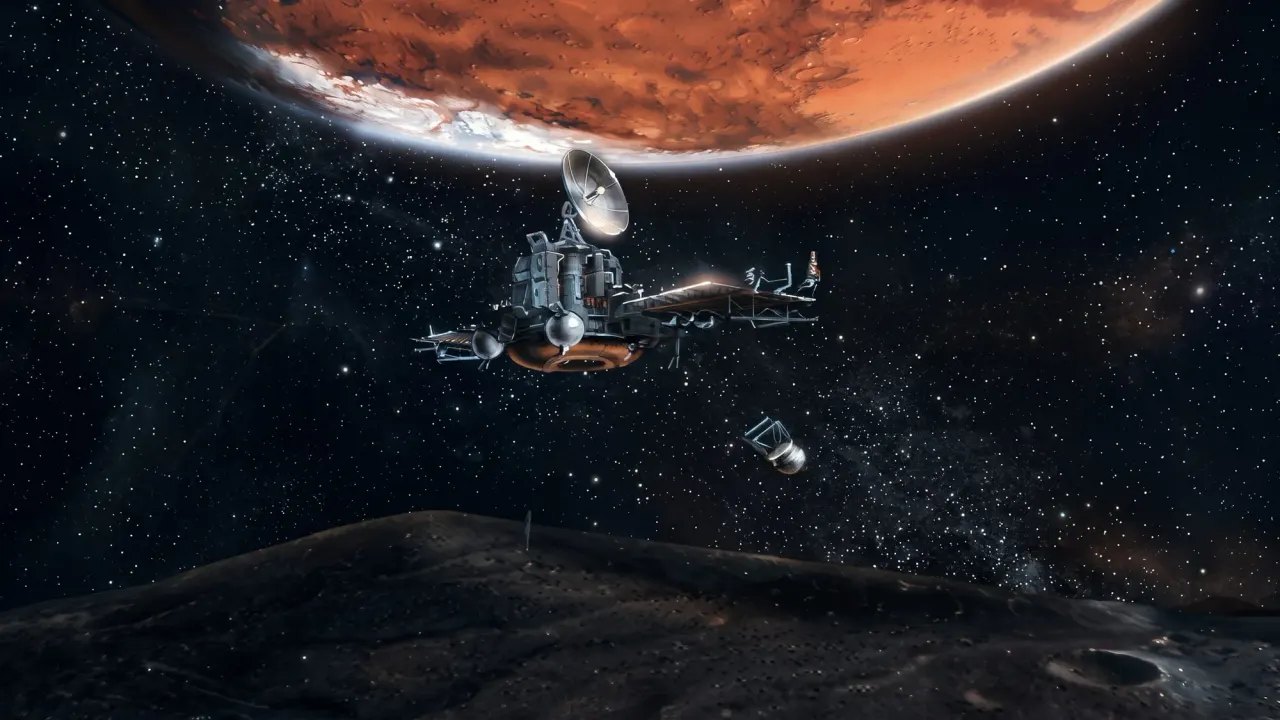
Harvard's Avi Loeb asks whether the 11-metre asteroid 1998 KY26 is the Soviet probe Phobos 1, lost in 1988. Japan's Hayabusa2 will visit it in 2031.
 SUMO· the number puzzle
 Dialo· learn languages by speaking
 ediviewer· read EDI files like documents
 giftdetect· the right gift in minutes
A tiny rock near Earth speeds up in ways gravity alone can't explain, flashes oddly as it spins, and now someone has asked whether it might be a Soviet spacecraft lost 38 years ago. The rock is asteroid 1998 KY26, and the someone is Avi Loeb.
The object was found in 1998 and is about 11 metres across, roughly the height of a building a few storeys tall. Astronomers have noticed that its path can't be fully explained by the pull of the Sun and planets. Something else nudges its speed and direction. That effect is called non-gravitational acceleration.
Is 1998 KY26 the lost Phobos 1 probe?
Phobos 1 was a Soviet probe launched on 7 July 1988, meant to reach Mars and study its moon Phobos. Two months into the trip, controllers lost contact after a wrong command switched off its attitude control system. The probe could no longer point its instruments properly.
Loeb, an astrophysicist at Harvard known for unconventional hypotheses, worked with Adam Hibberd and Adam Crowl to test the idea. They built a simplified model of Phobos 1 and compared its predicted brightness changes, caused by light bouncing off solar panels, metal parts and antennas as it turns, with real observations. The model matched eight independent sets of data. That is not proof, the article stresses, but enough to ask the question.
The asteroid also spins once every 5.35 minutes, very fast for something so small.
What else could explain the acceleration?
Comets get pushed by jets of gas as ice turns directly to vapour in the Sun's heat. So-called dark comets look like asteroids but accelerate without a visible tail. Some scientists doubt 1998 KY26 could keep ice for long under constant sunlight.
Two other natural options exist. Sunlight carries momentum, and bouncing photons push a small body. The Yarkovsky effect adds a push as a spinning rock absorbs sunlight and radiates heat unevenly. Loeb's team notes that light pressure on solar panels would also fit part of the data.
When will we know?
Japan's Hayabusa2 probe is heading for 1998 KY26 and should arrive in July 2031. It previously visited asteroid Ryugu and returned samples in December 2020. JAXA will now try to photograph and measure an 11-metre target that spins in just over five minutes, a tricky navigation job.
Apps worth a look
SUMO: the number puzzleTap the right tiles, add them up, hit the target. Easy to learn, hard to master. Free, for all ages.
Dialo: learn languages by speakingTalk to an AI conversation partner; every sentence comes back corrected and explained in your language. 9 languages, A1 to C2.
ediviewer: read EDI files like documentsOpen EDIFACT and X12 messages, see every segment explained, convert to JSON/XML, export PDF and Excel. Runs locally, no upload.
giftdetect: the right gift in minutesPick who it is for, the occasion and their personality. The search engine reads product descriptions from local shops and ranks what fits. Free, no sign-up.
More from this day
See all →

More in: Science
See all →
School phone bans add one to two weeks of learning, study finds
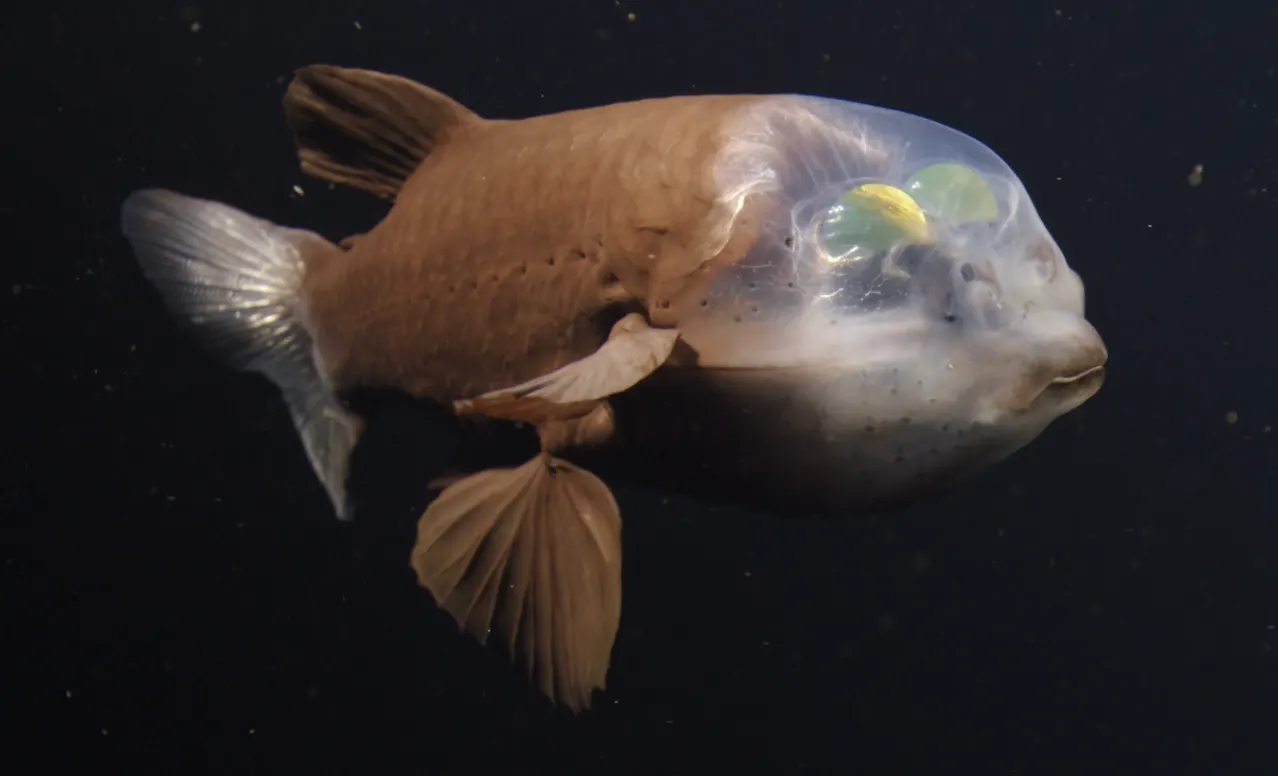
Barreleye fish filmed in 4K for the first time, see-through head and all

Pink noise for Alzheimer's: Spanish trial boosts memory overnight