ADAC Test: Emergency Braking Systems Miss People in Hi-Vis Clothing
ADAC tested six cars at night and found that reflective work and children's clothing confuses most emergency braking systems, which brake late or not at all.
 SUMO· the number puzzle
 Dialo· learn languages by speaking
 ediviewer· read EDI files like documents
 giftdetect· the right gift in minutes
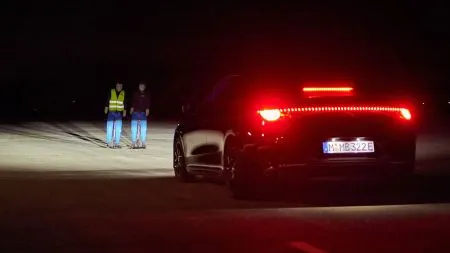
Automatic emergency braking systems in current cars detect pedestrians less reliably in the dark when those people wear reflective work clothing. That is the result of an ADAC sample test of six vehicles: Mercedes-Benz CLA, Tesla Model Y, BYD Seal, Hyundai Tucson, Dacia Duster and Opel Astra Sports Tourer. The very clothing meant to make construction workers, rescue crews and police officers more visible confused most of the systems. Almost all cars also failed to detect a child in reflective clothing with a school bag, or reacted too late.
How the test worked
The trials at the ADAC test centre in Penzing were modelled on Euro NCAP night tests. For each car, testers first determined a reference: the highest speed at which it could still avoid hitting an adult or child dummy without warning clothing. The runs with different clothing were then carried out at that speed. Because the reference was set individually, the ADAC says the six cars cannot be compared directly.
With an ordinary high-visibility vest on the adult dummy, all six cars avoided the collision. With standardised work or emergency clothing, as used in road construction, rescue services and police work, almost all cars detected the person too late or not at all. A child dummy in dark clothing was recognised by every car, but with reflective clothing and a school bag nearly all systems braked late or not at all. The exception was the Mercedes CLA, which even detected the child running out from behind a parked car. It too failed with the emergency clothing, warning too late or braking too weakly to prevent impact.
Cause, rules and advice
The ADAC suspects the problem lies less in hardware than in how road users are classified, and believes a software update could often fix it. That is not proven with sensor data or manufacturer analyses. The effect appeared with both camera-only cars (Dacia Duster, Tesla Model Y) and camera-radar combinations (Mercedes CLA, BYD Seal). A US IIHS test in January 2025 had already found similar problems with reflective stripes on moving limbs.
Type approval does not catch the weakness. EU rules have required pedestrian-detecting emergency braking in all new registrations since 7 July 2026, but UN Regulation No. 152 has no separate test case for reflective clothing. The ADAC says its requirements deliberately go beyond the legal minimum. Euro NCAP dummies also wear a black top and blue jeans.
Whether other models are affected remains open; an ADAC spokesman said the results cannot be transferred from one car to another, though models sharing systems may have similar issues. No manufacturer has announced updates. The ADAC still urges pedestrians and children to wear highly visible clothing in the dark, and reminds drivers that assistance systems support driving but do not replace attention.
Apps worth a look
SUMO: the number puzzleTap the right tiles, add them up, hit the target. Easy to learn, hard to master. Free, for all ages.
Dialo: learn languages by speakingTalk to an AI conversation partner; every sentence comes back corrected and explained in your language. 9 languages, A1 to C2.
ediviewer: read EDI files like documentsOpen EDIFACT and X12 messages, see every segment explained, convert to JSON/XML, export PDF and Excel. Runs locally, no upload.
giftdetect: the right gift in minutesPick who it is for, the occasion and their personality. The search engine reads product descriptions from local shops and ranks what fits. Free, no sign-up.
More from this day
See all →
Citus Demonstrates GPS-Free Firefighter Tracking, Eyes Military Use

Google Cloud expands CodeMender and AI agent security tools

Operation Ghostbusters: 830,840 Suspected Ghost Students Found

JNSA Security Quiz Service Hit by Breach, 15,128 Records at Risk
More in: Automotive
See all →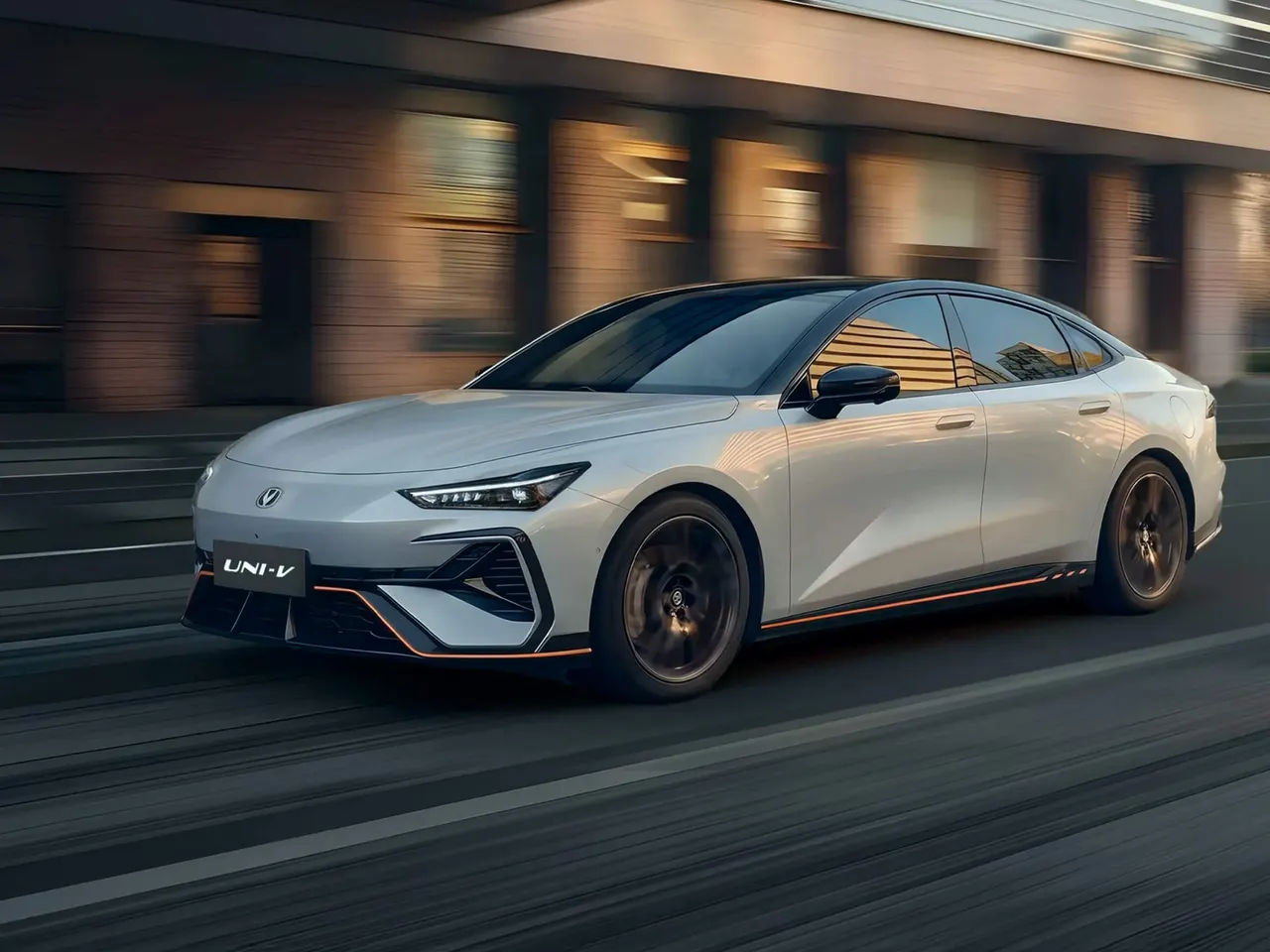
Changan Uni-V Recall in Russia Covers 1,905 Cars Over Infotainment
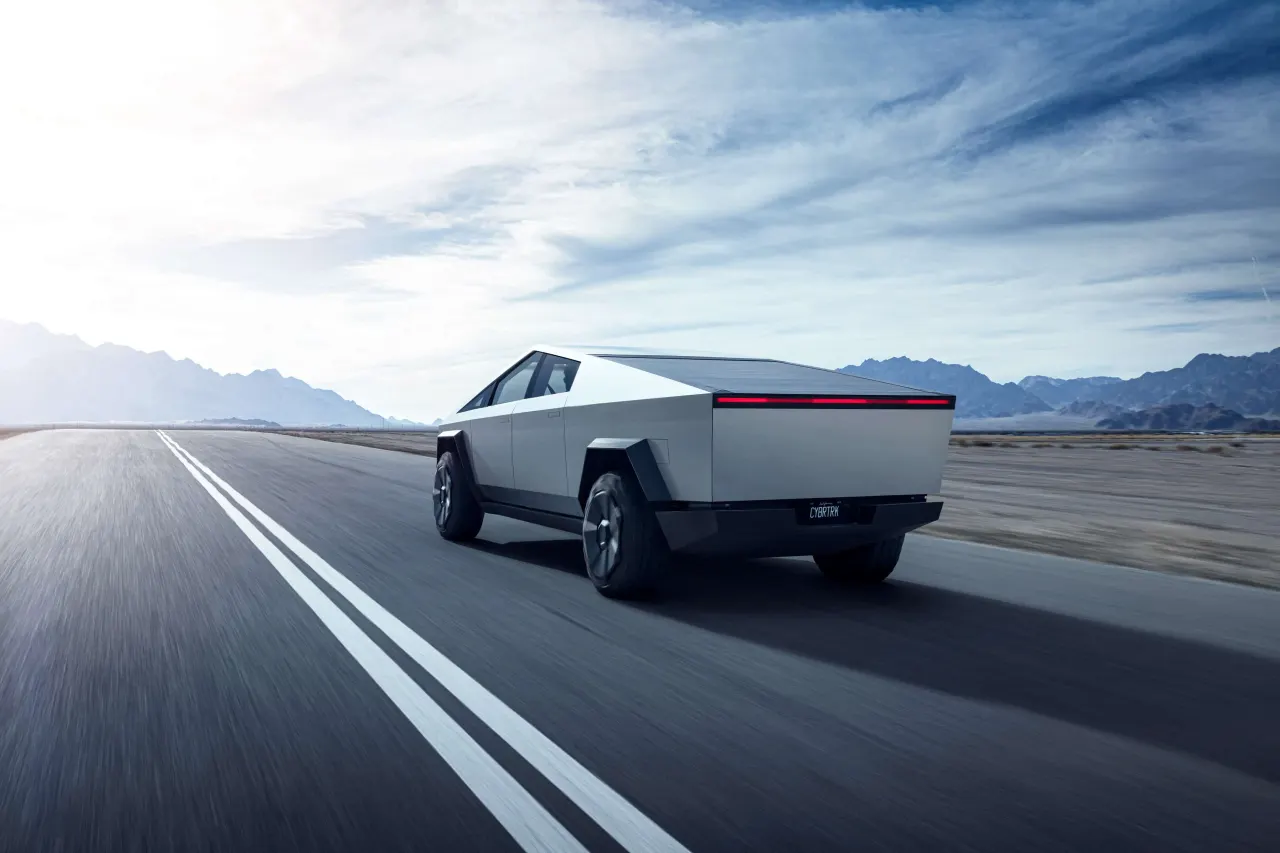
Tesla to End Cybertruck Production in 2027, Musk Says
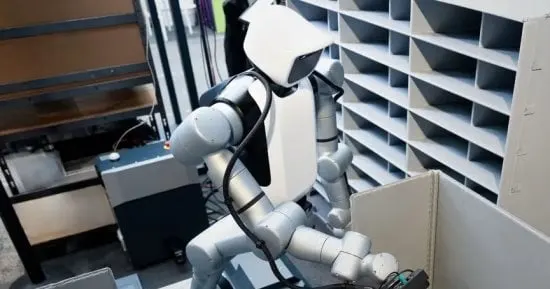
Audi Tests Agile Robots Humanoids for Parts Sequencing