Operation Ghostbusters: 830,840 Suspected Ghost Students Found
The US Justice Department says 830,840 suspected ghost student accounts were used to claim federal aid, pushing real applicants into stricter ID checks.

 SUMO· the number puzzle
 Dialo· learn languages by speaking
 ediviewer· read EDI files like documents
 giftdetect· the right gift in minutes
The US Department of Justice announced "Operation Ghostbusters" on October 29, targeting a scheme in which fictitious students were enrolled at colleges using stolen personal data to collect federal student aid. Authorities flagged 830,840 suspected "ghost student" accounts. Not all have been confirmed as fraudulent; they remain suspected cases.
According to the information released, the fake students had their coursework written by AI, and people were hired to appear on camera in online classes. To avoid standing out by vanishing after one term, the accounts were kept enrolled across multiple semesters. The US Department of Education had already named AI bots posing as students as a fraud method.
How the money moved
Student aid is paid first to the real college, which deducts tuition. The remainder goes to the student's bank account, and in these cases the fraudsters controlled those accounts. Some of the money reportedly went to associates in Kenya. Confirmed losses exceed 32 million US dollars, and total losses are estimated at more than 200 million dollars. Five people have been indicted so far.
Real students pay the price
Since April this year, the Education Department has used real-time identity verification for aid applications. If an application is rated high risk, the applicant must show an ID to a smartphone camera on the spot. A laptop does not work, and the process cannot be paused. Applicants who cannot produce ID immediately have their application sent back and must go to the college's office in person.
Returned applications carry no marker distinguishing fraud from an honest applicant caught in the net. The result is a paradox: the better AI imitates humans, the more effort real people need to prove they are human.
The problem is not limited to the US. In Japan, a former cram-school instructor impersonated a student in a Kindai University entrance exam this year, applying with a photo that blended his face with the student's. The image, believed to be made with a smartphone AI tool, passed checks and led to admission. The scheme came to light when the student ID carrying the composite photo made a family member notice the face looked wrong. The admission was revoked, and a guilty verdict came in October.
Apps worth a look
SUMO: the number puzzleTap the right tiles, add them up, hit the target. Easy to learn, hard to master. Free, for all ages.
Dialo: learn languages by speakingTalk to an AI conversation partner; every sentence comes back corrected and explained in your language. 9 languages, A1 to C2.
ediviewer: read EDI files like documentsOpen EDIFACT and X12 messages, see every segment explained, convert to JSON/XML, export PDF and Excel. Runs locally, no upload.
giftdetect: the right gift in minutesPick who it is for, the occasion and their personality. The search engine reads product descriptions from local shops and ranks what fits. Free, no sign-up.
More from this day
See all →
Citus Demonstrates GPS-Free Firefighter Tracking, Eyes Military Use

Google Cloud expands CodeMender and AI agent security tools
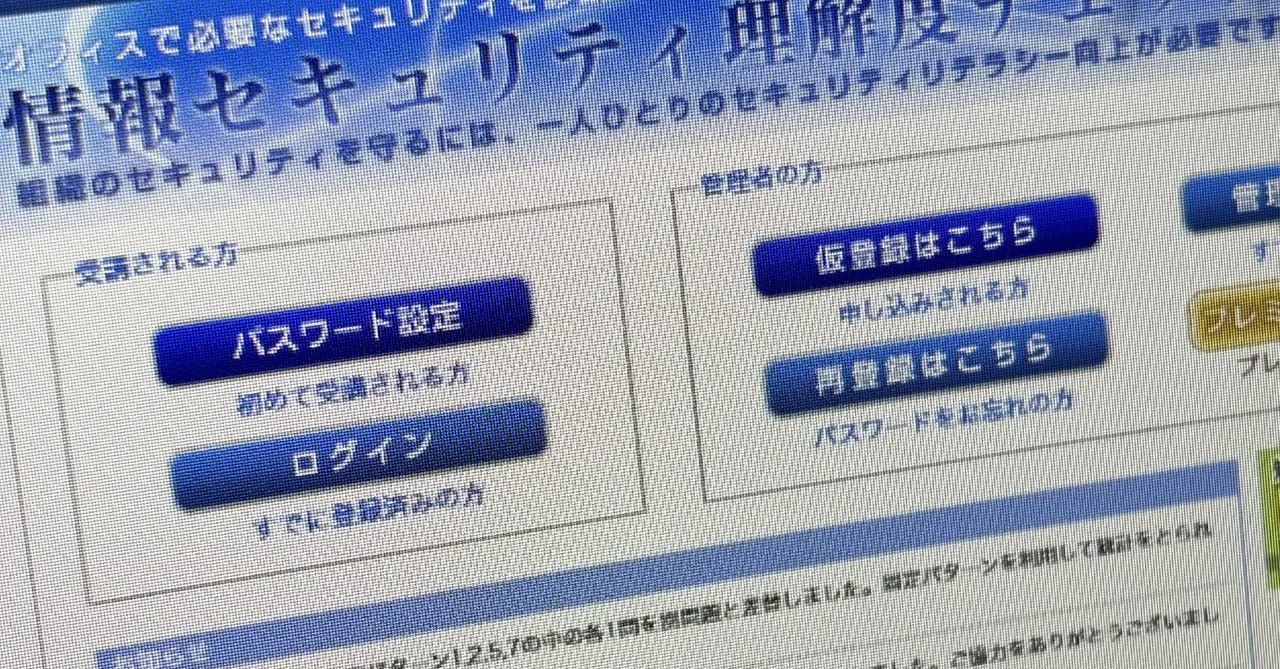
JNSA Security Quiz Service Hit by Breach, 15,128 Records at Risk