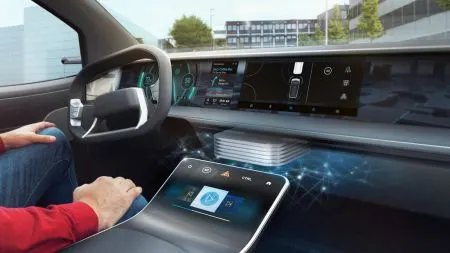
Kia to Invest 3 Trillion Won in PBV Autonomous Hub in Gwangju
Kia will invest 3 trillion won through 2029 at Autoland Gwangju and has signed an MOU to test PBV-based autonomous shuttles and remote driving with local partners.
 SUMO· the number puzzle
 Dialo· learn languages by speaking
 ediviewer· read EDI files like documents
 giftdetect· the right gift in minutes
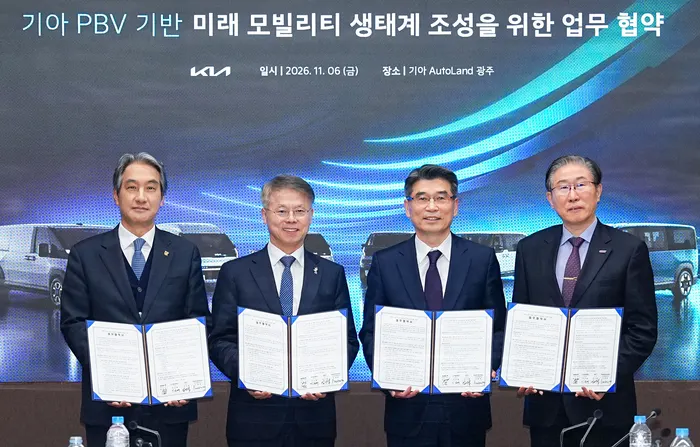
Kia plans to invest 3 trillion won (about 2 trillion won is not part of the plan; the full figure is 3 trillion) in Gwangju, South Korea, to build an autonomous-driving ecosystem around its purpose-built vehicles (PBV). The carmaker signed a memorandum of understanding on Thursday at Autoland Gwangju with the Gwangju-Jeonnam special city government, Chonnam National University and the Gwangju Institute of Science and Technology (GIST).
What will be tested
Under the agreement, the partners will run real-world trials of PBV-based technologies. These include an autonomous shuttle service, remote driving for people with limited mobility based on the PV5 WAV, and a dedicated vehicle for demand-responsive transport (DRT). Kia will also trial its Easy Swap technology, which converts a vehicle between uses such as freight and passenger transport.
Kia said it will verify and commercialize the technologies together with the participating institutions in order to widen the range of PBV services. The parties will also look for ways to cooperate on climate-change response and renewable-energy expansion.
The 3 trillion won plan
The investment runs through 2029 and is centered on Autoland Gwangju. Kia intends to build a production system based on advanced manufacturing technology, expand autonomous-driving trials and increase output of electrified vehicles.
Kia President Song Ho-sung said the agreement should speed up the development and commercialization of PBV-based mobility technology. He added that Kia aims to help Gwangju become a leading mobility hub in South Korea through a new production setup and a broader PBV business.
For the region, the deal ties a large manufacturing investment to public-road style use cases, such as accessible transport and on-demand shuttles, that local universities and research institutes can help validate.
Apps worth a look
SUMO: the number puzzleTap the right tiles, add them up, hit the target. Easy to learn, hard to master. Free, for all ages.
Dialo: learn languages by speakingTalk to an AI conversation partner; every sentence comes back corrected and explained in your language. 9 languages, A1 to C2.
ediviewer: read EDI files like documentsOpen EDIFACT and X12 messages, see every segment explained, convert to JSON/XML, export PDF and Excel. Runs locally, no upload.
giftdetect: the right gift in minutesPick who it is for, the occasion and their personality. The search engine reads product descriptions from local shops and ranks what fits. Free, no sign-up.
More from this day
See all →
GOG GALAXY Is Coming Natively to Linux After 18 Years
Claude Code accused of leaking users' email addresses to websites
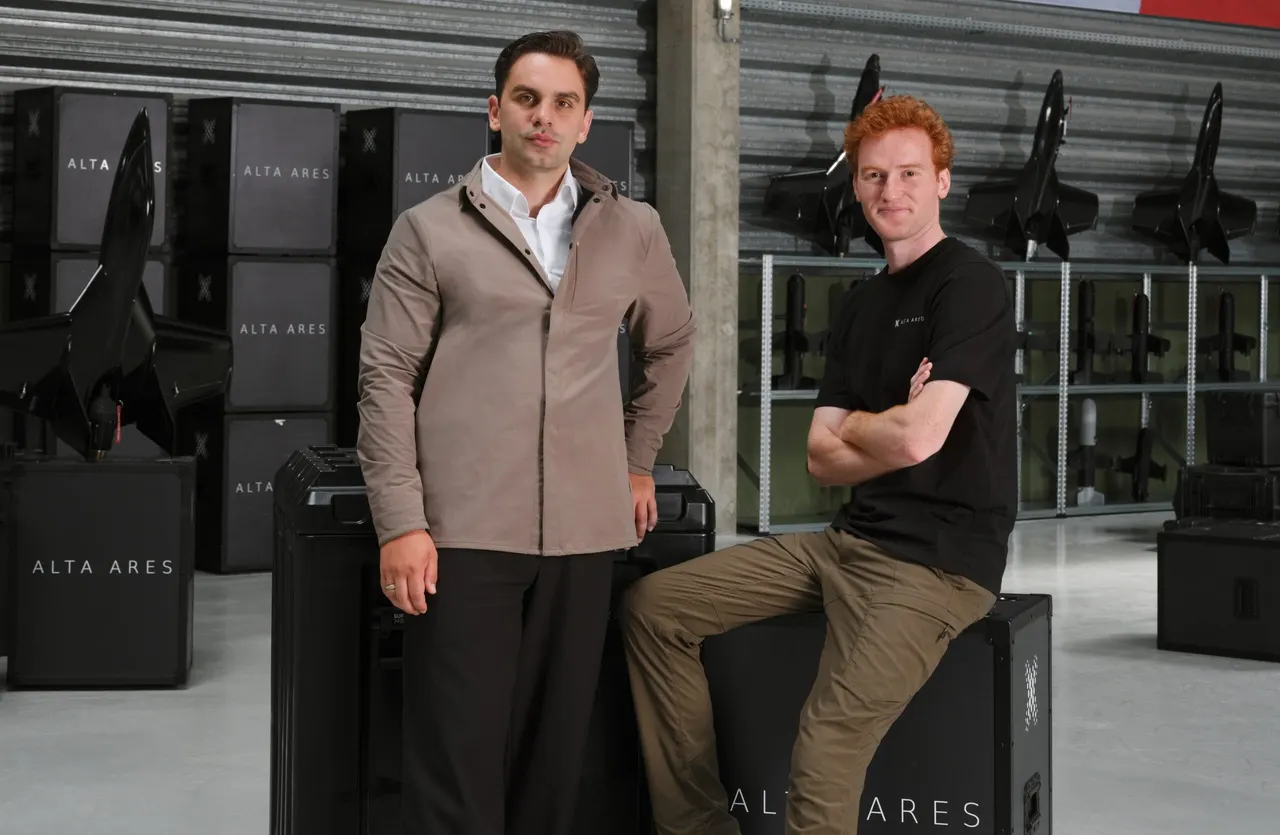
Alta Ares wins six NATO counter-drone lots in first big deal
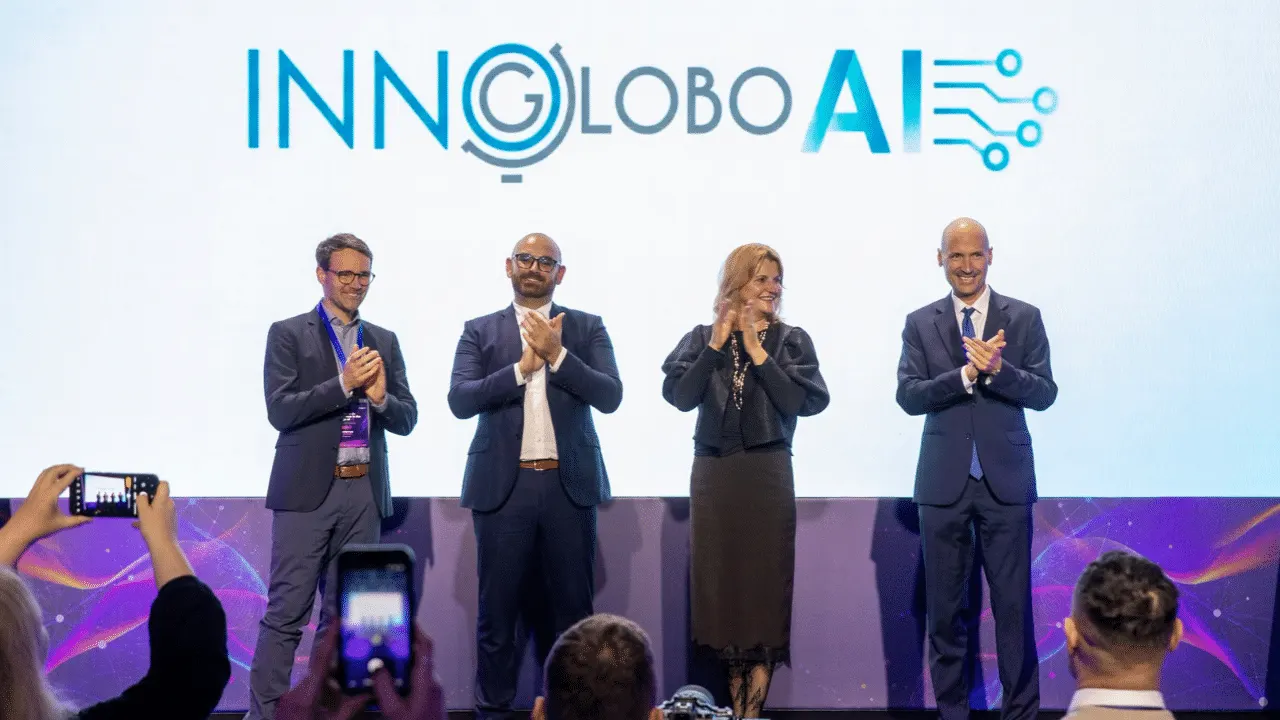
NCBR Sets Aside PLN 25 Million for International AI R&D Projects
More in: Automotive
See all →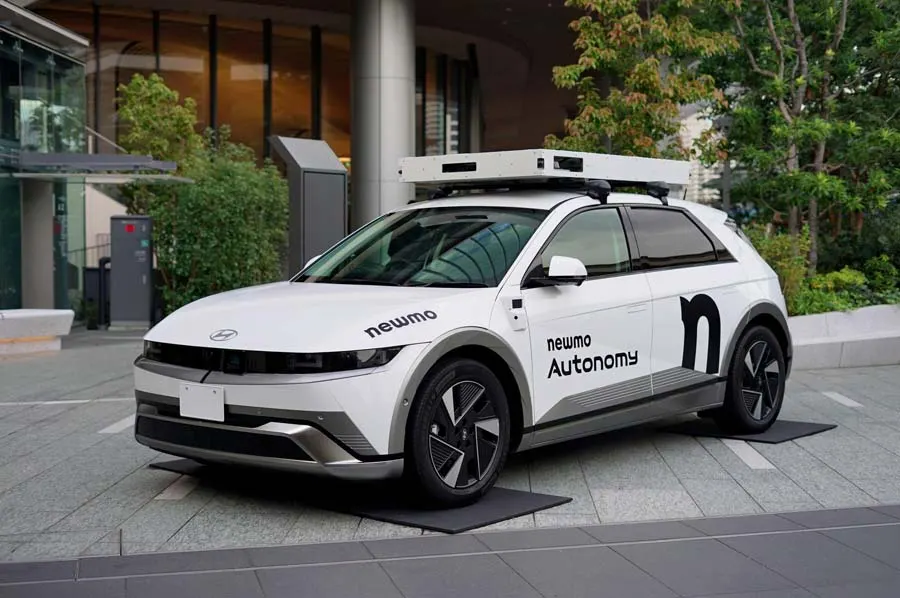
KDDI and newmo Form Capital Alliance for Self-Driving Taxis
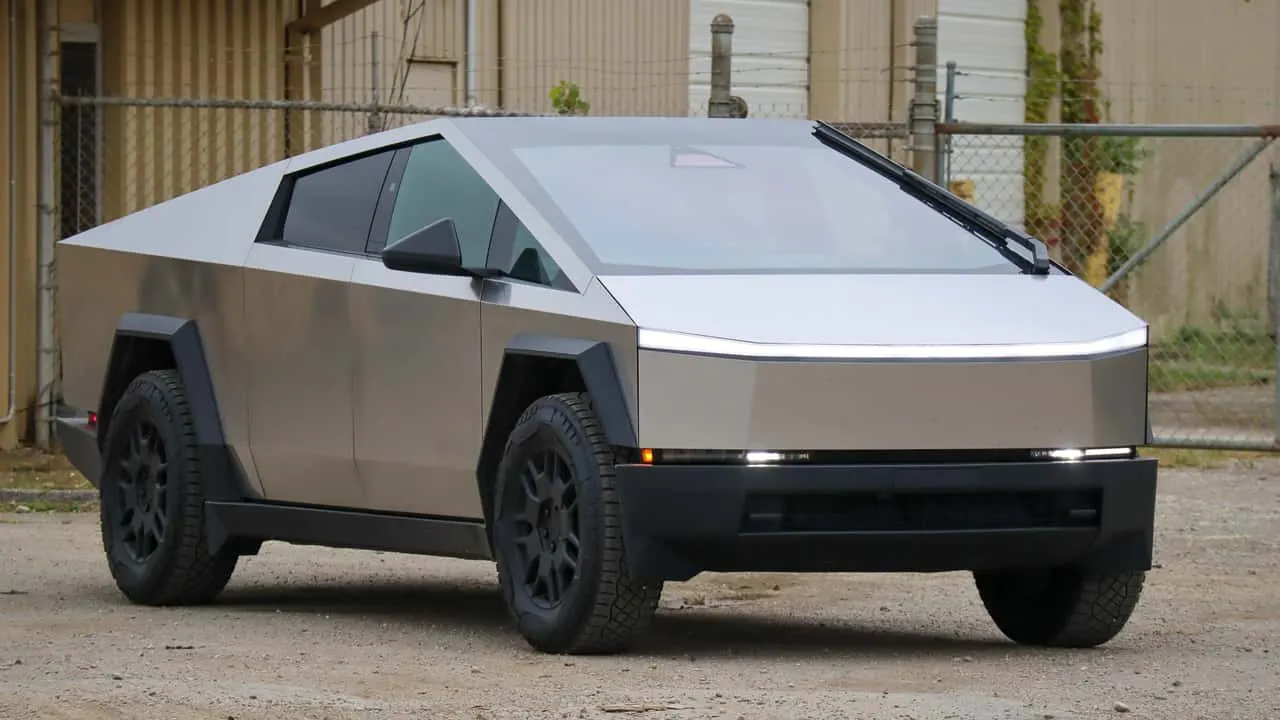
Tesla Cybertruck to End Production in 2027 as Cybercab Takes Over
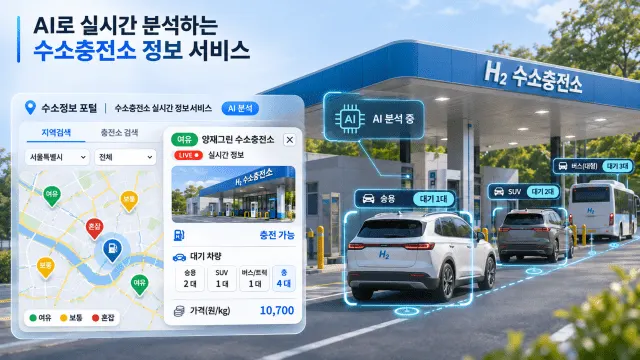
Intellivix to Deploy AI Queue Counting at 15 Hydrogen Stations