Yuanchu No. 1: China's Man-Made Cave Air Battery Is Online
China has connected a 300 MW power plant that stores energy as compressed air in caverns dug out of solid rock, no salt deposits needed.
 SUMO· the number puzzle
 Dialo· learn languages by speaking
 ediviewer· read EDI files like documents
 giftdetect· the right gift in minutes
Most compressed air energy storage relies on a lucky bit of geology, usually a salt cavern. China has stopped waiting for luck. It now has a compressed air plant, Yuanchu No. 1, that stores its air in caves dug on purpose.
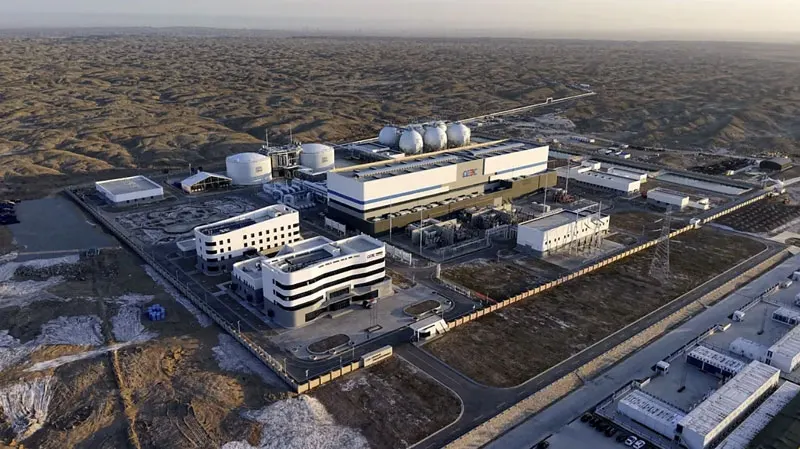
The plant sits in Yumen, in Gansu province, and sent its first power to the grid on 16 November 2026. It is rated at 300 MW with a capacity of 1,800 MWh. China Energy Digital Technology Group, part of the state-owned China Energy Engineering Corporation, built it for about 2.5 billion yuan (around $368 million). A full charge takes eight hours, and it can generate continuously for six.
How does a compressed air battery work?
When there is spare electricity, compressors push air into underground chambers. Here that means four connected caverns about 110 metres down in hard rock, roughly 200,000 cubic metres in total, designed for pressure up to 18 MPa. The walls are lined with steel sheets to keep the air in.
The heat from compression is not thrown away. It goes into a thermal store that combines a low-melting-point molten salt mixture with pressurised hot water tanks. When power is needed, that heat is fed back into the air, which expands through turbines driving generators.
How efficient is it?
The developer claims a round-trip electrical efficiency of 72% and expected annual output of 600 GWh. Treat that as a claim for now: there is no independent data from long-term operation to confirm it.
The plant is meant to soak up surplus wind and solar power in the region and release it when demand peaks.
The appeal is obvious. You can build storage where you need it, not only where salt layers happen to exist. The catch is cost. Tunnelling, sealing the chambers and keeping them stable under pressure for years all have to make financial sense.
Apps worth a look
SUMO: the number puzzleTap the right tiles, add them up, hit the target. Easy to learn, hard to master. Free, for all ages.
Dialo: learn languages by speakingTalk to an AI conversation partner; every sentence comes back corrected and explained in your language. 9 languages, A1 to C2.
ediviewer: read EDI files like documentsOpen EDIFACT and X12 messages, see every segment explained, convert to JSON/XML, export PDF and Excel. Runs locally, no upload.
giftdetect: the right gift in minutesPick who it is for, the occasion and their personality. The search engine reads product descriptions from local shops and ranks what fits. Free, no sign-up.
More from this day
See all →
South Korea CSAT cheating: 111 cases, AI glasses and a death
KARTE data breach: Plaid says service stays off until mid-January

Anthropic mathematician claims Claude helped prove Riemann hypothesis

Russia's courier rules: delivery firms ask to wait until 2029
More in: Hardware
See all →
iPhone Duo DIY repair: inner screen costs $499, parts now on sale
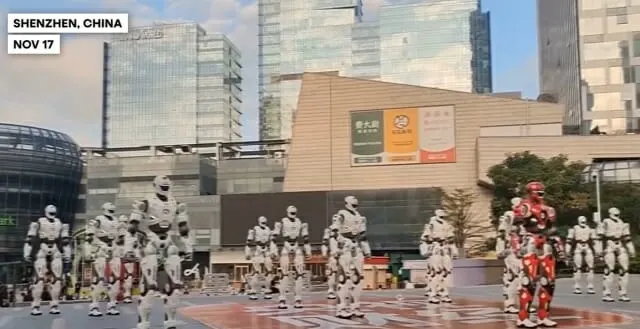
151 humanoid robots dance in Shenzhen and set a Guinness record

M-VAVE FM-1: the cheap synth fans are rewriting with AI