M-VAVE FM-1: the cheap synth fans are rewriting with AI
A synth that costs under ¥10,000 is being turned into a groovebox by hobbyists using AI coding tools, and its maker is cheering them on.
 SUMO· the number puzzle
 Dialo· learn languages by speaking
 ediviewer· read EDI files like documents
 giftdetect· the right gift in minutes
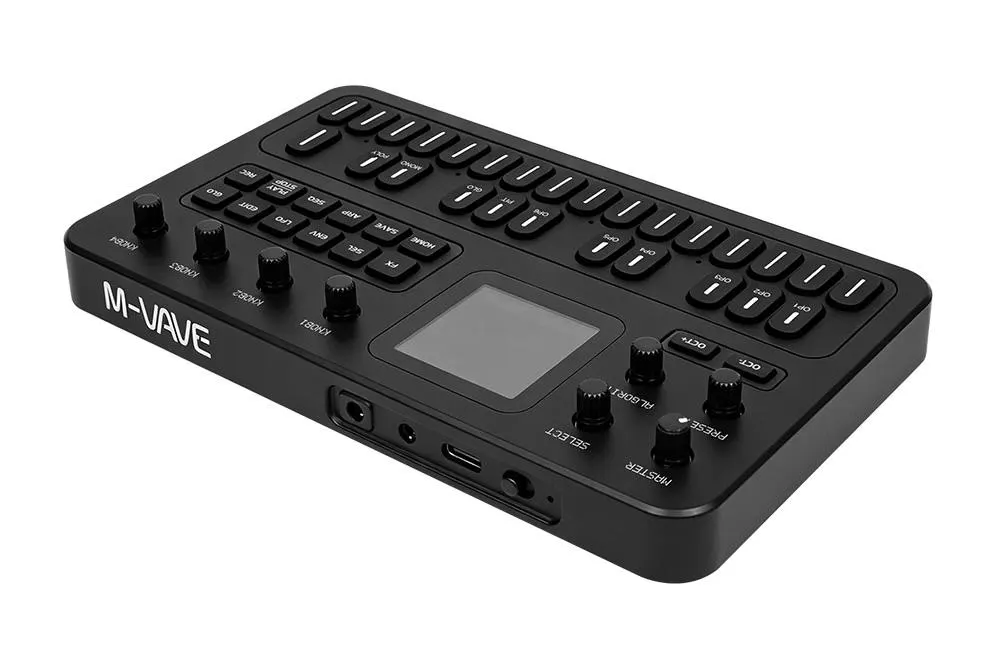
The M-VAVE FM-1 is a tiny FM synthesizer that sells for roughly ¥10,000 or less on sites like AliExpress. This autumn, hobbyists started rewriting its firmware with AI coding tools, and the Chinese maker's reaction is the surprising part: it joined in.
The FM-1 is simple. It uses FM synthesis with 6 operators, 32 algorithms and 12 voices. Volunteers began picking apart its internal program around summer. By autumn, AI-assisted custom firmware was spreading fast. Some builders added synth engines other than FM, others added drum machine and sampler features, turning the FM-1 into a groovebox. They share their progress on social media. The knob-heavy front panel suits a groovebox, and the price helps too.
M-VAVE did not shut this down. In October it announced FM1 Open, which comes with an SDK, source code and a development environment that runs in the browser. In effect, the company said: go ahead and tinker.
Why are synth makers opening their firmware?
Firmware defines how a product behaves, and manufacturers have traditionally hated seeing it rewritten. Now others are moving the same way. AKAI Professional has hinted at opening up the firmware of its upcoming Sample Key, and BEHRINGER plans to open-source its sampler in development, the KICK. Whether they were reacting to M-VAVE is unclear.
The backdrop is AI. Writing firmware once required people who could code in C. Now you can describe a feature in plain language and let the AI implement it, even with little programming experience.
Makers gain too. Instruments are getting cheaper and products increasingly sound alike, so it is hard to stand out on hardware alone. A synth that users can extend keeps people talking after purchase, grows a community and lasts longer. Users become an unpaid development team.
Problems remain: breakage from modifications, warranty coverage and security. Makers will have to decide how much responsibility they keep. Still, the idea of buying hardware and a basic OS, then growing the instrument yourself, is appealing.
Apps worth a look
SUMO: the number puzzleTap the right tiles, add them up, hit the target. Easy to learn, hard to master. Free, for all ages.
Dialo: learn languages by speakingTalk to an AI conversation partner; every sentence comes back corrected and explained in your language. 9 languages, A1 to C2.
ediviewer: read EDI files like documentsOpen EDIFACT and X12 messages, see every segment explained, convert to JSON/XML, export PDF and Excel. Runs locally, no upload.
giftdetect: the right gift in minutesPick who it is for, the occasion and their personality. The search engine reads product descriptions from local shops and ranks what fits. Free, no sign-up.
More from this day
See all →
Welopō‘ai: a triple star system 27.6 light-years away that shouldn't exist

Google's Mirror Dimension: a fake internet built for AI agents
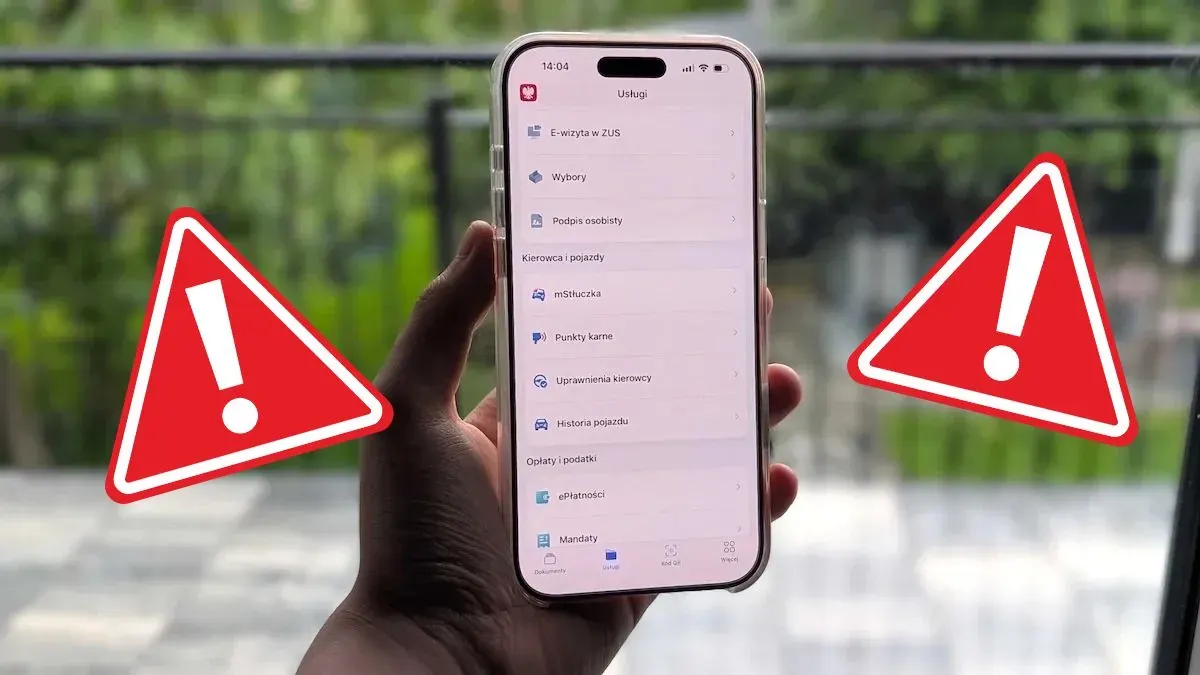
mObywatel down this Saturday night: 3-hour maintenance window

Samsung Auto Blocker can't be switched off during a call
More in: Hardware
See all →
151 humanoid robots dance in Shenzhen and set a Guinness record

Librem 5 v2 switches to RISC-V and keeps its hardware kill switches

NOMAD power line drone lands on live cables to recharge