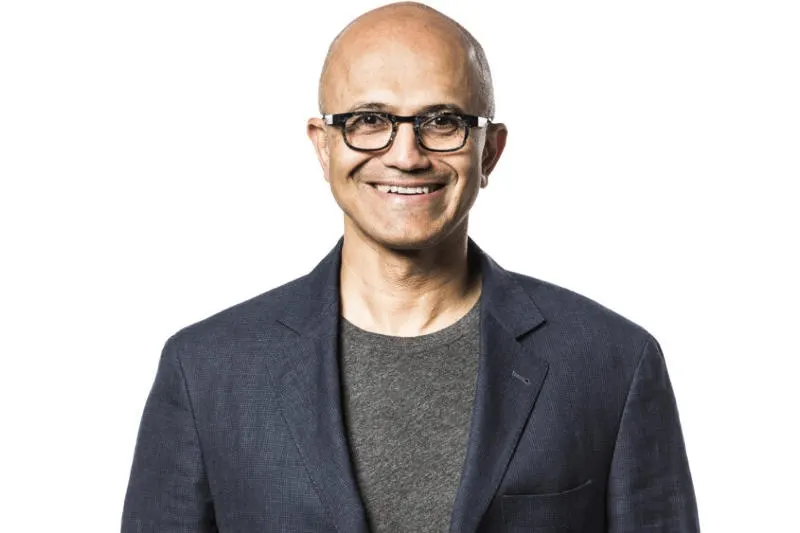
Russia's courier rules: delivery firms ask to wait until 2029
Ozon, Wildberries, Yandex Eda and others warn that moped licences and a pavement ban for couriers would paralyse deliveries for months.
 SUMO· the number puzzle
 Dialo· learn languages by speaking
 ediviewer· read EDI files like documents
 giftdetect· the right gift in minutes
Russia's biggest delivery and retail companies say new traffic rules for couriers would bring their services close to a standstill. They want the rules postponed until at least 2029.
On 3 November 2026 the Transport Ministry put draft changes to the national traffic rules up for public discussion. Electric scooters and e-bikes with motors between 250 W and 4 kW would count as mopeds, so riders would need a category M licence. Couriers, and anyone on a personal mobility device weighing more than 35 kg, would also be banned from riding on pavements.
The objection comes from an association of transport, logistics and courier companies. Its members include Ozon, Wildberries, X5, VkusVill, Yandex Lavka, Yandex Eda, Kuper, Samokat, Magnit and Lenta. In a letter to Prime Minister Mikhail Mishustin, several ministers and Moscow mayor Sergei Sobyanin, they say the changes need time: couriers must get licences, new bikes must be bought and delivered, routes must change and infrastructure must be built.
Why do delivery companies say the rules would stall deliveries?
According to the letter, delivery would be "practically paralysed for many months" once the rules take effect. Training for a licence costs at least 20,000 to 30,000 roubles, so companies would have to switch to devices that don't need one. There aren't enough of those on the market. The firms expect shortages, higher purchase and rental prices, and fewer couriers.
They also argue that pushing couriers onto the road won't make traffic safer. In their view it just invites cars hitting couriers, and the gap in speed and size creates new risks for drivers and passengers too.
What do the companies propose instead?
The association suggests fitting courier vehicles with IoT modules (small connected devices) that monitor speed, creating low-speed zones where pedestrians gather, and building dedicated infrastructure. All of it step by step and with the industry involved.
Some experts doubt the rules would work anyway. They think couriers will find ways around the restrictions, and that checking the motor power of every scooter is impossible.
Apps worth a look
SUMO: the number puzzleTap the right tiles, add them up, hit the target. Easy to learn, hard to master. Free, for all ages.
Dialo: learn languages by speakingTalk to an AI conversation partner; every sentence comes back corrected and explained in your language. 9 languages, A1 to C2.
ediviewer: read EDI files like documentsOpen EDIFACT and X12 messages, see every segment explained, convert to JSON/XML, export PDF and Excel. Runs locally, no upload.
giftdetect: the right gift in minutesPick who it is for, the occasion and their personality. The search engine reads product descriptions from local shops and ranks what fits. Free, no sign-up.
More from this day
See all →
South Korea CSAT cheating: 111 cases, AI glasses and a death
KARTE data breach: Plaid says service stays off until mid-January

Anthropic mathematician claims Claude helped prove Riemann hypothesis

Yuanchu No. 1: China's Man-Made Cave Air Battery Is Online
More in: Business
See all →
d Card Prepaid ends in September 2027: key dates for users

Alibaba shareholder lawsuit says firm hid ties to suspected spy

Kakao founder Kim Beom-su acquitted again in SM stock case