Wolbachia mosquitoes cut dengue infections in kids by about 70%
Researchers released mosquitoes carrying the Wolbachia bacterium across half of a Brazilian city. Four years later, children there had about 70% fewer dengue and chikungunya infections.
 SUMO· the number puzzle
 Dialo· learn languages by speaking
 ediviewer· read EDI files like documents
 giftdetect· the right gift in minutes
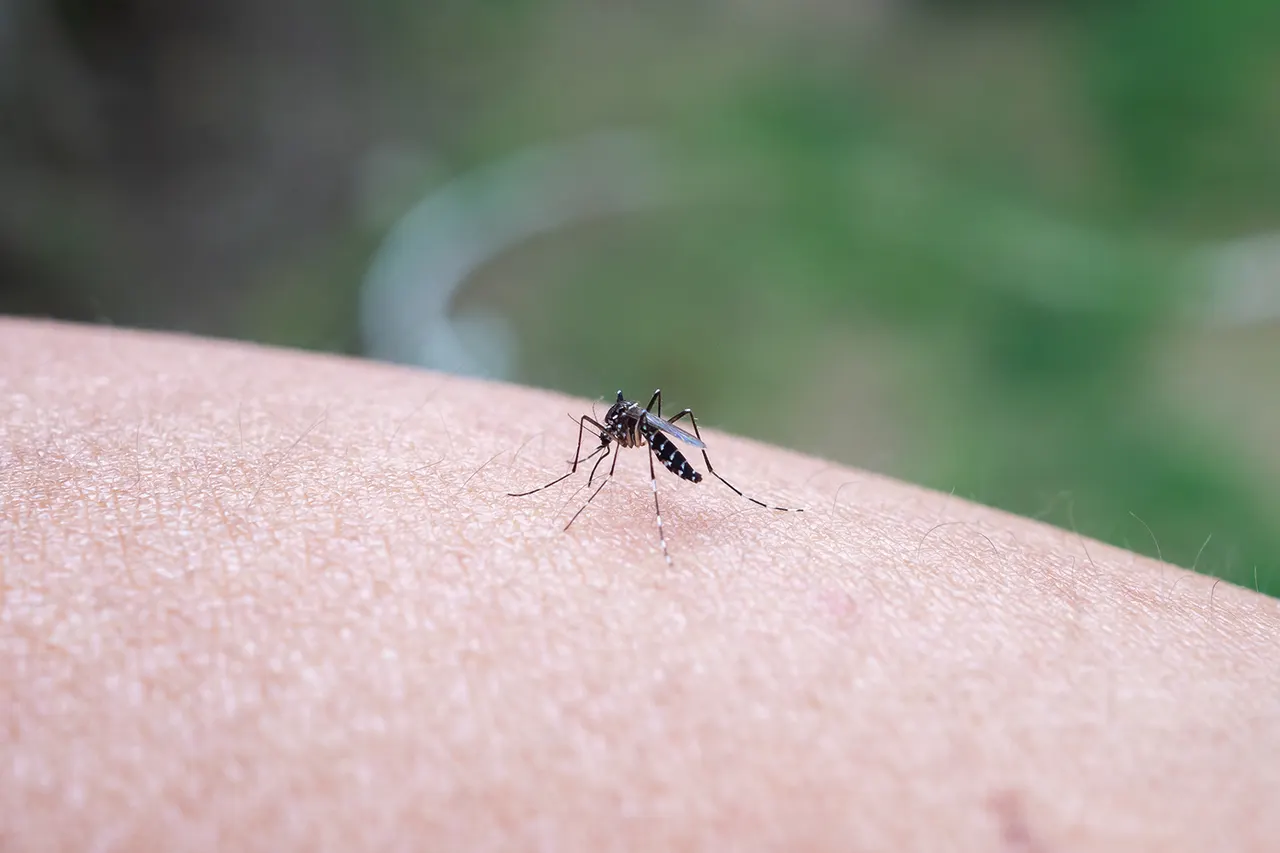
The best new weapon against dengue might be more mosquitoes. In Belo Horizonte, Brazil, a four-year trial of Wolbachia mosquitoes found that children in the districts where they were released had about 70% fewer infections.
The results were presented on 21 November at the annual meeting of the American Society of Tropical Medicine and Hygiene. The trial, called EVITA Dengue, followed 5,757 children aged 6 to 11. The city was split into 58 districts based on primary school catchment areas. In 29 of them, mosquitoes carrying Wolbachia were released between January 2021 and May 2022. Normal mosquito control, including insecticide spraying, carried on everywhere.
Overall infections fell by 68.6%, according to the research team. Dengue dropped by 68.5% and chikungunya by 73.3%. The children gave blood every year so antibodies could be checked. That means mild cases that never reached a hospital were counted too. The gap between districts held even in 2024, Brazil's worst dengue year on record. Zika cases were too few to evaluate. The findings have not yet been peer reviewed.
How do Wolbachia mosquitoes prevent dengue?
Wolbachia is a bacterium that many insects carry naturally. The Aedes aegypti mosquito, which spreads dengue, normally does not. Experiments show that once it has the bacterium, viruses multiply less well inside it, so it passes them on less easily. Wolbachia is inherited from the mother, so as released mosquitoes breed with wild ones, the local population gradually becomes Wolbachia carriers. It is a slow plan that relies on generations of mosquitoes.
Singapore uses the same bacterium differently. It releases only male Wolbachia mosquitoes. Their eggs with wild females do not hatch, so the mosquito population shrinks instead of being replaced.
Could the virus adapt?
That is the open question. In 2019, a Penn State team grew dengue virus nine times in a row in Wolbachia-carrying mosquito cells and saw no resistance. The researchers themselves said areas with releases should still be monitored. It is a living organism, so a cat-and-mouse game is possible.
Apps worth a look
SUMO: the number puzzleTap the right tiles, add them up, hit the target. Easy to learn, hard to master. Free, for all ages.
Dialo: learn languages by speakingTalk to an AI conversation partner; every sentence comes back corrected and explained in your language. 9 languages, A1 to C2.
ediviewer: read EDI files like documentsOpen EDIFACT and X12 messages, see every segment explained, convert to JSON/XML, export PDF and Excel. Runs locally, no upload.
giftdetect: the right gift in minutesPick who it is for, the occasion and their personality. The search engine reads product descriptions from local shops and ranks what fits. Free, no sign-up.
More from this day
See all →
Subnautica 2 Tar Trek update adds a deeper zone and a frog suit

Godzilla Megamullion: Seafloor Giant Named a Top 100 Geosite

Ecoasis AgTech Park: Tomatoes Grown on Data Center Heat