Why Claude bans accounts: 101 cases point to payment, not VPN
A user banned on Claude's Max plan went through 101 ban stories. The most common trigger wasn't a VPN. It was the moment of paying for a subscription.
 SUMO· the number puzzle
 Dialo· learn languages by speaking
 ediviewer· read EDI files like documents
 giftdetect· the right gift in minutes
Claude account bans are a hot topic right now, and one writer has the scars to prove it. He was banned on the Max plan, found out when Claude Code stopped working, and got an email instead. Every chat was gone and the money wasn't refunded. So he collected 101 first-person ban stories to see what they had in common.
The sources were comments on Habr, threads on Hacker News and reports in the Claude Code GitHub repository. He counted only people describing their own case, and only once each. It's not Anthropic's data, and everyone names the cause they believe in. Still, patterns repeat.
Why does Claude ban accounts right after payment?
The biggest group, 22 of 101 stories, was bans at the moment of payment: a new subscription, an upgrade or a renewal. One Hacker News user paid for Pro and was kicked out at once. He then found two emails sent in the same minute, one about a policy violation and one with the receipt, which arrived later. A Habr commenter paid with a crypto exchange's virtual card and got a ban and a refund straight away. A friend using someone else's Armenian card got the same.
Anthropic doesn't explain why. The author's guess is that payment hands the service a lot of new data at once: card country, bank, billing address. It is checked against what it already knows about you.
Does a higher plan mean a higher risk?
Apparently yes. Of 50 stories that named a plan, 18 were Max 20x, the $200 a month tier, and about two thirds were some version of Max. Pro appeared eight times, the free plan four.
The author links this to Anthropic's crackdown on distillation, training rival models on Claude's answers. In February the company said DeepSeek, Moonshot and MiniMax used about 24,000 fake accounts and over 16 million queries. A heavy Max user running several Claude Code windows and overnight agents can look much like an account farm.
Thirteen stories involved scripts, third-party tools or squeezing out limits. One person entered his subscription details in a JetBrains assistant, saw it wanted an API key, closed the tab, and was banned 20 minutes later. Anthropic's terms prohibit automated access unless you use an API key, and since April 4 subscriptions no longer cover third-party tools like OpenClaw.
VPNs matter less than expected. Nearly one in three Habr stories mention the network, but people were banned on residential proxies while others hopped countries unharmed. The more telling cases involved one account suddenly showing different details, such as opening it in a proxied browser after using Chrome without one.
Apps worth a look
SUMO: the number puzzleTap the right tiles, add them up, hit the target. Easy to learn, hard to master. Free, for all ages.
Dialo: learn languages by speakingTalk to an AI conversation partner; every sentence comes back corrected and explained in your language. 9 languages, A1 to C2.
ediviewer: read EDI files like documentsOpen EDIFACT and X12 messages, see every segment explained, convert to JSON/XML, export PDF and Excel. Runs locally, no upload.
giftdetect: the right gift in minutesPick who it is for, the occasion and their personality. The search engine reads product descriptions from local shops and ranks what fits. Free, no sign-up.
More from this day
See all →
Rakuten Securities breach: up to 11.25 million accounts' IDs exposed

Fugaku supercomputer hacked via public dashboard, now offline
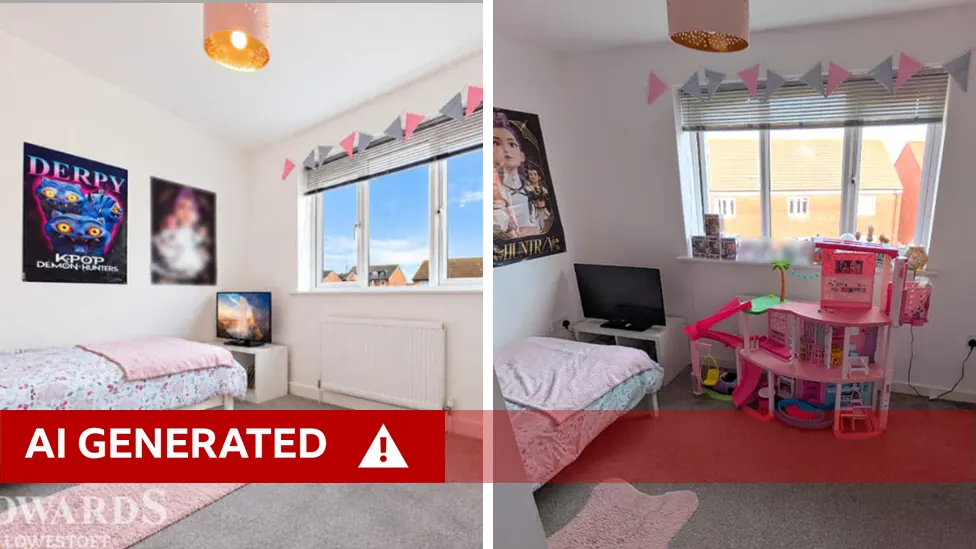
Housefishing: how AI-edited photos mislead UK house hunters