Vulcan rocket fails, destroying 40 Amazon Leo satellites
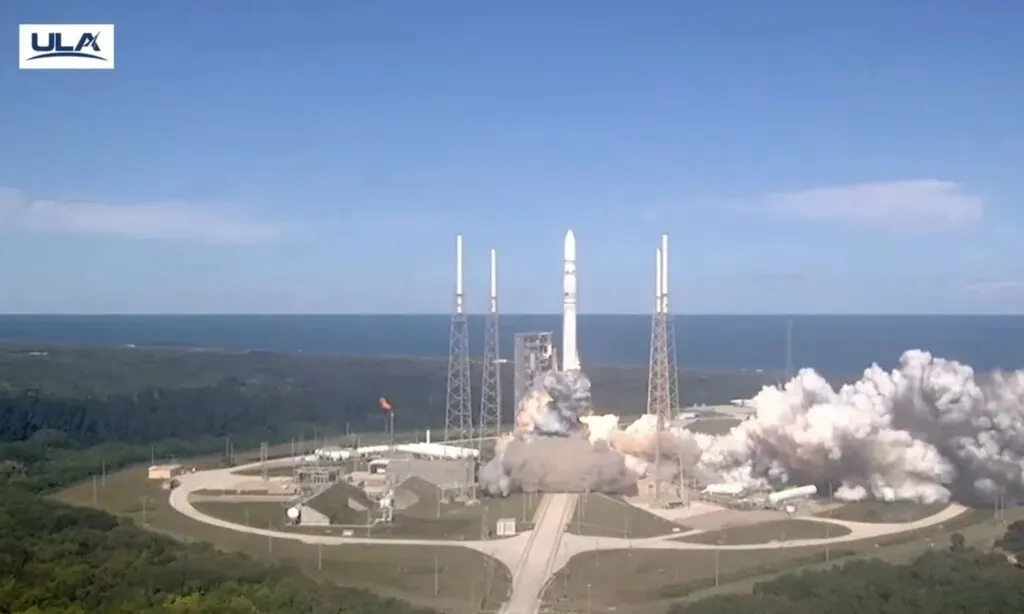
ULA's Vulcan rocket failed about 10 minutes after liftoff from Florida, taking 40 Amazon Leo satellites with it. It is the company's first mission failure.
 SUMO· the number puzzle
 Dialo· learn languages by speaking
 ediviewer· read EDI files like documents
 giftdetect· the right gift in minutes
A Vulcan rocket carrying 40 Amazon Leo internet satellites failed about 10 minutes after launching from Florida on Sunday, and the satellites were lost. It is the first mission failure in the history of United Launch Alliance (ULA), the Boeing and Lockheed Martin joint venture.
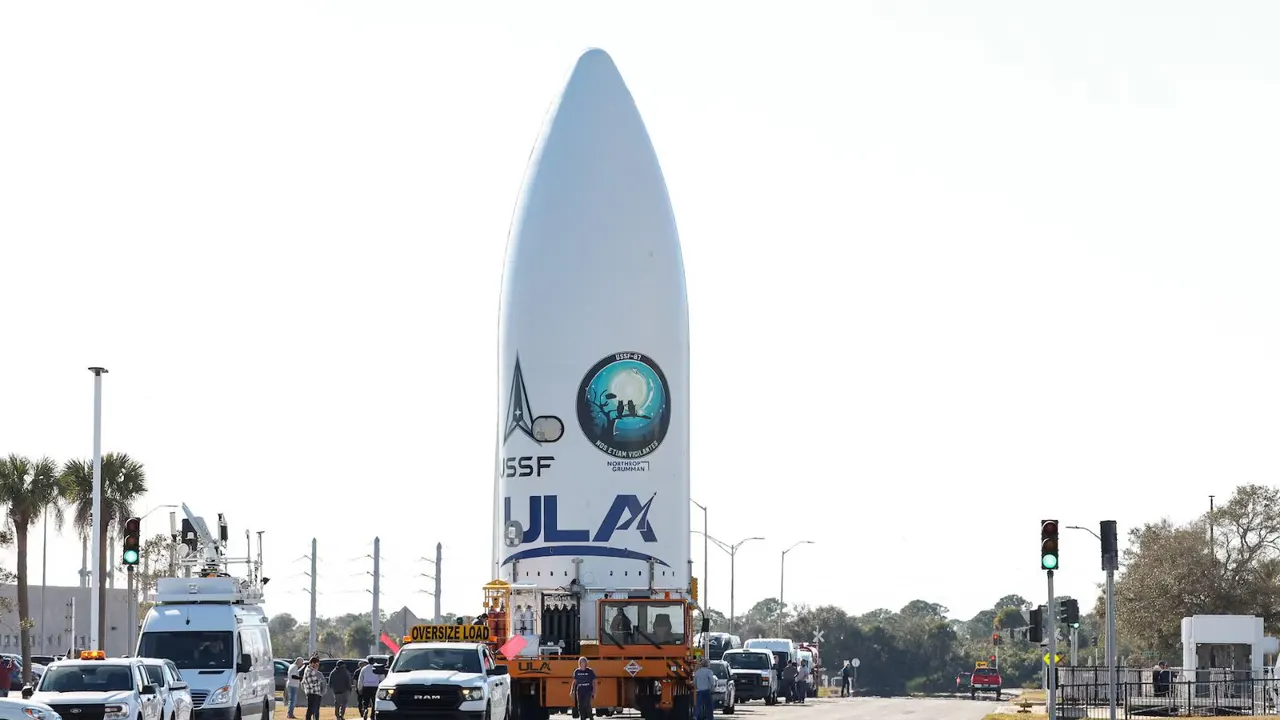
The rocket lifted off from Space Launch Complex 41 at Cape Canaveral Space Force Station. ULA said its Launch Director saw data showing an anomaly ten minutes into the flight, and the Vulcan did not deliver the Amazon mission to orbit. The company says it has no specific data yet on what went wrong. The failure appeared to come after the second stage, the part carrying the satellites, separated from the first-stage booster.
What went wrong with the Vulcan rocket?
Nobody knows yet. The first stage runs on BE-4 engines supplied by Blue Origin, Jeff Bezos' space company, which is also working with ULA on the investigation, according to a person familiar with the matter. It is unclear whether the engines played any role. Blue Origin's own New Glenn rocket had a launchpad explosion in May that was traced to the BE-4, and engines delivered to ULA were modified afterwards, a ULA spokesperson said in August.
Sunday's flight was Vulcan's fifth since its 2024 debut and its first in nine months, after investigations into its solid side boosters and the BE-4 engines. The Pentagon had held off approving Vulcan for national security payloads until it saw how this mission went.
What it means for Amazon Leo
Amazon is trying to build a rival to SpaceX's Starlink, which has more than 11,000 satellites. Since 2025, Amazon has put 398 Leo satellites into orbit over 14 launches, about 12% of the 3,236 it needs for global coverage. It had hoped to start initial service this year.
A lengthy investigation is expected to keep Vulcan grounded for months. That squeezes a US launch market already short on options, with SpaceX no longer taking bookings for Falcon 9. Amazon said every launch carries risk and that it believes ULA will learn from the mission.
Apps worth a look
SUMO: the number puzzleTap the right tiles, add them up, hit the target. Easy to learn, hard to master. Free, for all ages.
Dialo: learn languages by speakingTalk to an AI conversation partner; every sentence comes back corrected and explained in your language. 9 languages, A1 to C2.
ediviewer: read EDI files like documentsOpen EDIFACT and X12 messages, see every segment explained, convert to JSON/XML, export PDF and Excel. Runs locally, no upload.
giftdetect: the right gift in minutesPick who it is for, the occasion and their personality. The search engine reads product descriptions from local shops and ranks what fits. Free, no sign-up.
More from this day
See all →
Comet 220P/McNaught suddenly got 1,000 times brighter. Here's why

Coral Hart used AI to write 370 books in 20 months
WhatsApp Zaps: self-deleting photos and videos for any chat

Green SM taxis: Karnataka halts new registrations, eyes mandatory meters
More in: Space
See all →
Reflect Orbital wants 50,000 mirror satellites to sell sunlight
Dream Chaser space plane cleared to land ahead of 2027 debut
ASTRA robot builds a structure in orbit with no humans