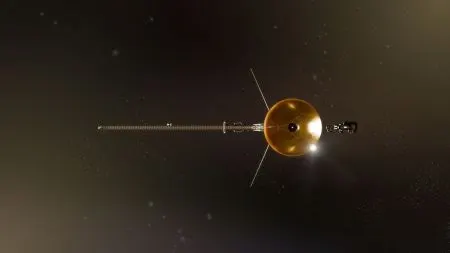
Reflect Orbital wants 50,000 mirror satellites to sell sunlight
Reflect Orbital plans a fleet of 50,000 mirror satellites that beam sunlight to chosen spots at night, for $5,000 an hour. Astronomers are alarmed.
 SUMO· the number puzzle
 Dialo· learn languages by speaking
 ediviewer· read EDI files like documents
 giftdetect· the right gift in minutes
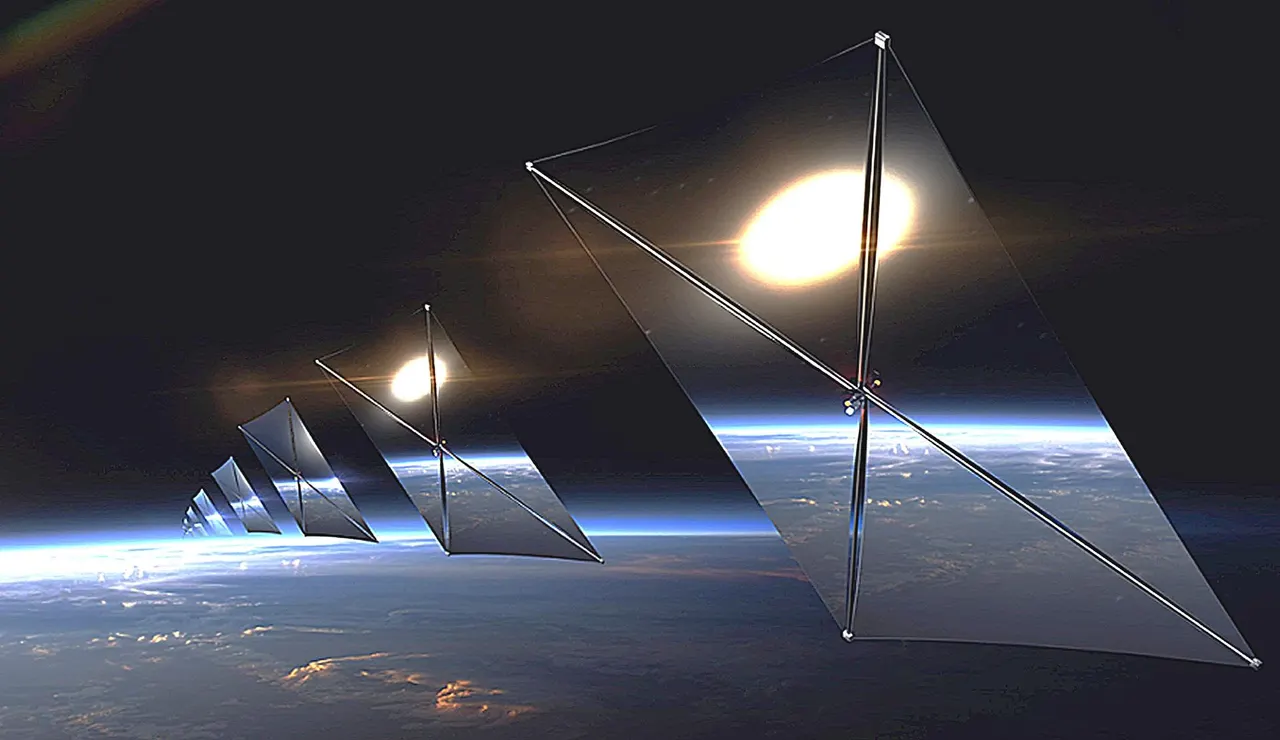
Imagine ordering sunlight after dark, like a pizza. That is roughly the pitch from Reflect Orbital, a startup building "light on demand": satellites carrying big mirrors that catch the Sun's rays and bounce them onto chosen places on Earth.
The company talks about a constellation of 50,000 satellites. It says the service could light up solar farms at night and help rescue crews working in the dark. Scientists point out the price tag, reportedly $5,000 an hour, which could put it out of reach for the very emergency services it is meant to help.
Early tests have already stirred things up. In October, near Independence, California, a demonstration with emergency services used powerful ground-based lights to simulate the glare a mirror in orbit would produce. Astronomers did not like what they saw. Astrophysicist Gaspar Bakos called it a threat on the scale of "the end of astronomy done from Earth".
How much brighter would the night sky get?
The European Southern Observatory forecasts a scenario in which nights become up to 4 times brighter. Experts also worry about living things: plants, animals and people depend on the natural rhythm of day and night, and artificial light could disturb it.
CEO Ben Nowack brushes this off. He says similar worries came up when electric lighting spread, and that the size of the debate shows the project touches a real problem.
Is it allowed?
The US Federal Communications Commission has approved a demonstration satellite, Earendil-1. For launches, the company may lean on partners in India, including Skyroot Aerospace, with authorisation from India's National Space Promotion and Authorisation Centre. That route is meant to sidestep part of the US rules.
There are no global regulations saying who may change how the night sky looks. Astronomer Michelle Wooten asks who should "control" it, and argues that ordinary people should have a real say. Reflect Orbital says it will keep going and prepare its first launches.
Apps worth a look
SUMO: the number puzzleTap the right tiles, add them up, hit the target. Easy to learn, hard to master. Free, for all ages.
Dialo: learn languages by speakingTalk to an AI conversation partner; every sentence comes back corrected and explained in your language. 9 languages, A1 to C2.
ediviewer: read EDI files like documentsOpen EDIFACT and X12 messages, see every segment explained, convert to JSON/XML, export PDF and Excel. Runs locally, no upload.
giftdetect: the right gift in minutesPick who it is for, the occasion and their personality. The search engine reads product descriptions from local shops and ranks what fits. Free, no sign-up.
More from this day
See all →
Chase outage: Zelle and bank transfers delayed across the US

How to turn a photo into a GIF with ChatGPT Images 2.6

Myofree tablet only works with special glasses to rest your eyes
Google's Ammaar Reshi put Windows 11 on an iPhone Duo to work
More in: Space
See all →
Dream Chaser space plane cleared to land ahead of 2027 debut
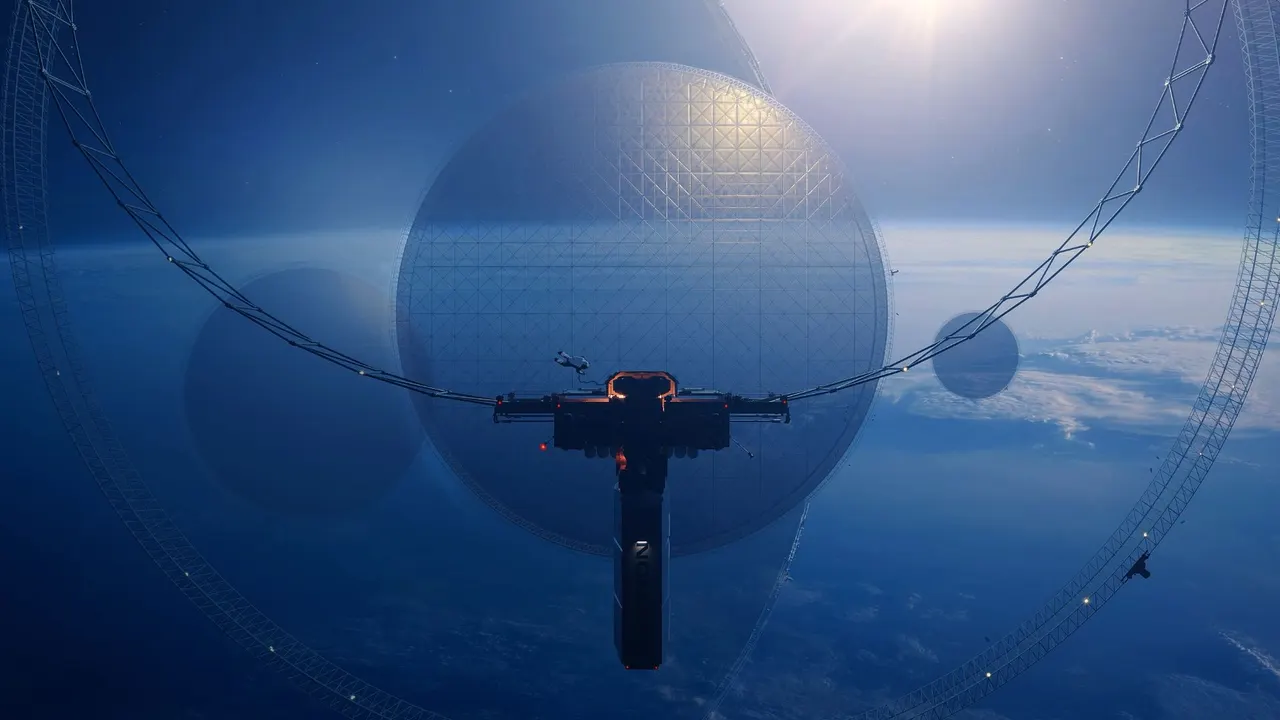
ASTRA robot builds a structure in orbit with no humans
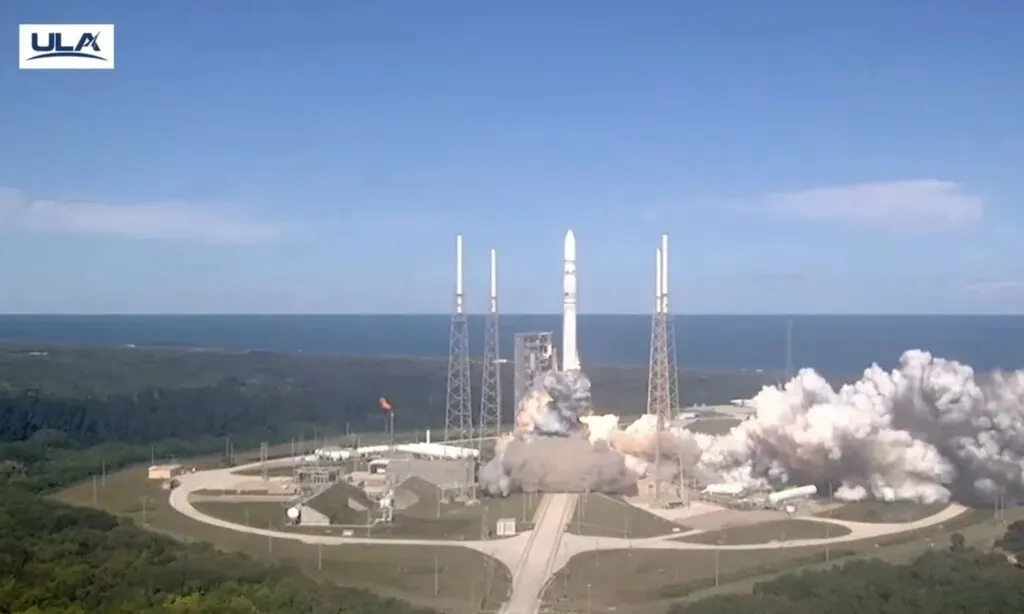
Amazon Leo loses 40 satellites after ULA Vulcan rocket failure