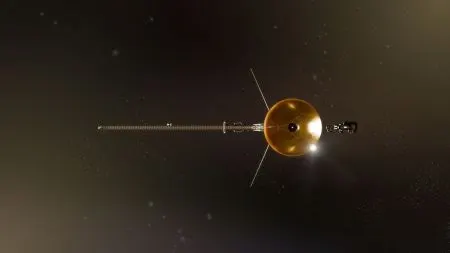
ASTRA robot builds a structure in orbit with no humans
Caltech's ASTRA robot, funded by DARPA, assembled part of an antenna in orbit on its own. It finished one bay of the 11 planned before its December end date.
 SUMO· the number puzzle
 Dialo· learn languages by speaking
 ediviewer· read EDI files like documents
 giftdetect· the right gift in minutes
Putting something together outside the International Space Station still means sending astronauts out in spacesuits for spacewalks of nearly six hours each. On 5 November 2026, Caltech said a robot had just done a small piece of that job alone. The ASTRA robot assembled part of a structure in orbit with nobody's hands on it.
"This is the first time a structure has been built autonomously in space," said Sergio Pellegrino, the Caltech aerospace engineering professor leading the project. The caveat is size: ASTRA built one bay of an antenna frame, out of 11 planned.
What is the ASTRA robot?
ASTRA is a box of about one cubic metre, funded by DARPA, the Pentagon's research agency, under its NOM4D programme launched in 2022. It flew on 30 March 2026 from Vandenberg, California, on SpaceX's Transporter-16 mission. It shared a Momentus space tug called Vigoride 7 with nine other payloads, and the tug supplies power and communications. DARPA's Andrew Detor says only 15 months passed between the idea and the launch.
DARPA compares it to a K'Nex set. A gantry moving on three axes picks composite tubes and aluminium joints from motorised dispensers and builds identical segments called bays. It attaches a perforated reflective film, then pushes the finished bay out to start the next. Eleven bays make the frame of a 1.4-metre antenna.
Why only one bay?
Orbit was harder than the lab. ASTRA launched with two bays already built and managed the third. Commands come from the ground, and the team can talk to the robot only 7 or 8 times a day, for about 15 minutes. When something goes wrong, engineers reproduce it on a twin robot in the lab, test a fix and upload it.
The mission ends in December and Caltech no longer expects to finish all 11 bays. The team still says the method works, though the system needs simplifying.
The point is size. Big structures today are either folded to fit a rocket, like the James Webb telescope's 6.5-metre mirror, or assembled from several launches by astronauts, like the ISS. NOM4D has one more experiment: the University of Illinois is due to send a process that hardens composite tubes in orbit to the ISS by the end of the year.
Apps worth a look
SUMO: the number puzzleTap the right tiles, add them up, hit the target. Easy to learn, hard to master. Free, for all ages.
Dialo: learn languages by speakingTalk to an AI conversation partner; every sentence comes back corrected and explained in your language. 9 languages, A1 to C2.
ediviewer: read EDI files like documentsOpen EDIFACT and X12 messages, see every segment explained, convert to JSON/XML, export PDF and Excel. Runs locally, no upload.
giftdetect: the right gift in minutesPick who it is for, the occasion and their personality. The search engine reads product descriptions from local shops and ranks what fits. Free, no sign-up.
More from this day
See all →
Coral Hart used AI to write 370 books in 20 months

WhatsApp Zaps: self-deleting photos and videos for any chat

Green SM taxis: Karnataka halts new registrations, eyes mandatory meters

Chase outage: Zelle and bank transfers delayed across the US
More in: Space
See all →
Reflect Orbital wants 50,000 mirror satellites to sell sunlight
Dream Chaser space plane cleared to land ahead of 2027 debut
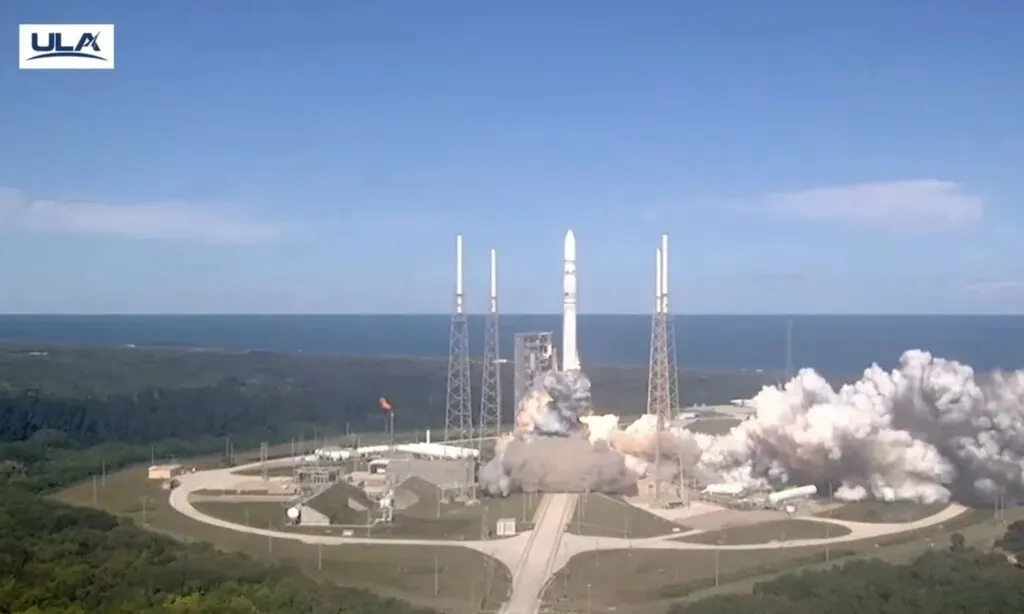
Amazon Leo loses 40 satellites after ULA Vulcan rocket failure