Voyager 1 is now one light-day from Earth, and still inside
Voyager 1 has reached one light-day from Earth, about 25.9 billion km. On the scale of the Solar System, it has barely reached the front door.

 SUMO· the number puzzle
 Dialo· learn languages by speaking
 ediviewer· read EDI files like documents
 giftdetect· the right gift in minutes
Voyager 1 has just passed one light-day from Earth. That means a radio signal, travelling at the speed of light, now needs a full 24 hours to cover the distance: roughly 25.9 billion kilometres.
It took the probe almost 50 years to get here. NASA launched Voyager 1 and its twin, Voyager 2, in 1977 for a "Grand Tour" of the outer Solar System, a region that was barely explored at the time. The pictures of Jupiter, Saturn, Uranus and Neptune that the Voyagers sent back were a breakthrough. But a trip that far meant there was no way home. Both craft are now drifting through interstellar space for good.
Each one carries a Golden Record in case someone ever finds them: a metal phonograph disc with sounds of Earth, greetings in 55 languages and Chuck Berry's "Johnny B. Goode".
How far is one light-day, really?
Beyond the planets, astronomers measure distance by how far light travels in a given time. A light-year is about 9.5 trillion kilometres. Even that is small next to the gaps between stars: the nearest one, Alpha Centauri, is around four and a half light-years away.
So is Voyager 1 out of the Solar System? Not quite. In 2012 it crossed the heliopause, the boundary where the solar wind (the stream of particles from the Sun) meets the atoms of interstellar gas. That edge matters, but it is not the end of the Sun's territory.
The real outer limit is the Oort cloud, a spherical shell of frozen comet nuclei that marks where the Sun's gravity still holds sway. Depending on the estimate, it begins about 20 light-days out (around 520 billion kilometres) and stretches to nearly 600 light-days (about 15.5 trillion kilometres). Measured against that, Voyager 1 is only at the doorstep.
Apps worth a look
SUMO: the number puzzleTap the right tiles, add them up, hit the target. Easy to learn, hard to master. Free, for all ages.
Dialo: learn languages by speakingTalk to an AI conversation partner; every sentence comes back corrected and explained in your language. 9 languages, A1 to C2.
ediviewer: read EDI files like documentsOpen EDIFACT and X12 messages, see every segment explained, convert to JSON/XML, export PDF and Excel. Runs locally, no upload.
giftdetect: the right gift in minutesPick who it is for, the occasion and their personality. The search engine reads product descriptions from local shops and ranks what fits. Free, no sign-up.
More from this day
See all →
Rotation Station lets you scratch Spotify live on a DIY deck
Takeout X-Ray reads your 500 MB chat archives without a server

Wylsacom owns 30% of Immortal, the startup behind KloKlo AI bot
Milky Way weighed at 1.19 trillion suns, with 11% uncertainty
More in: Space
See all →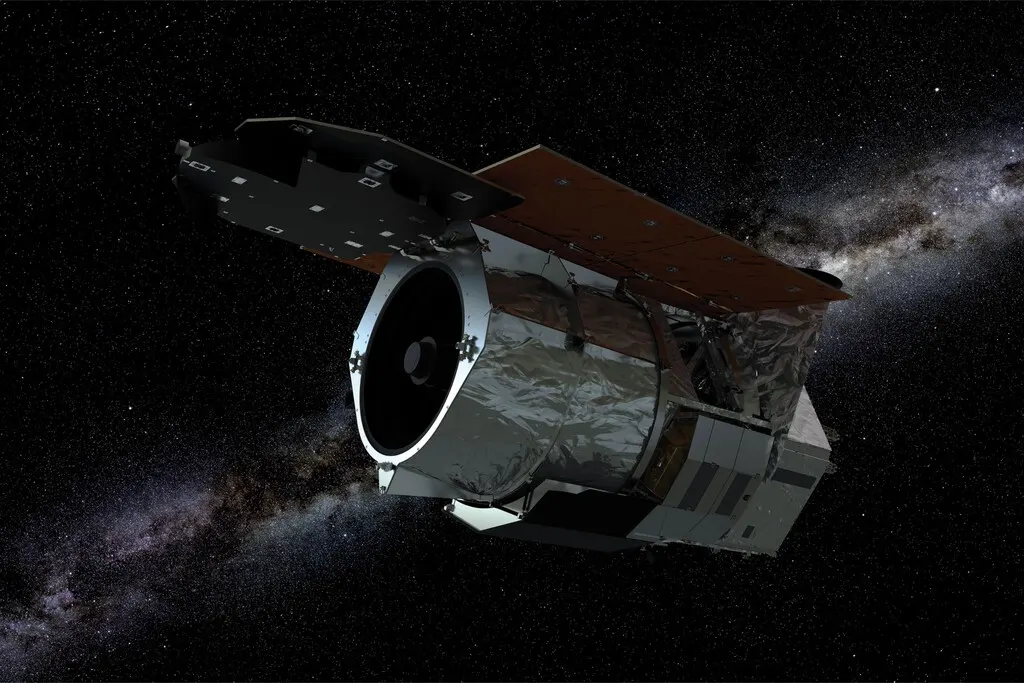
Nancy Grace Roman telescope: adopt a pixel of its first image
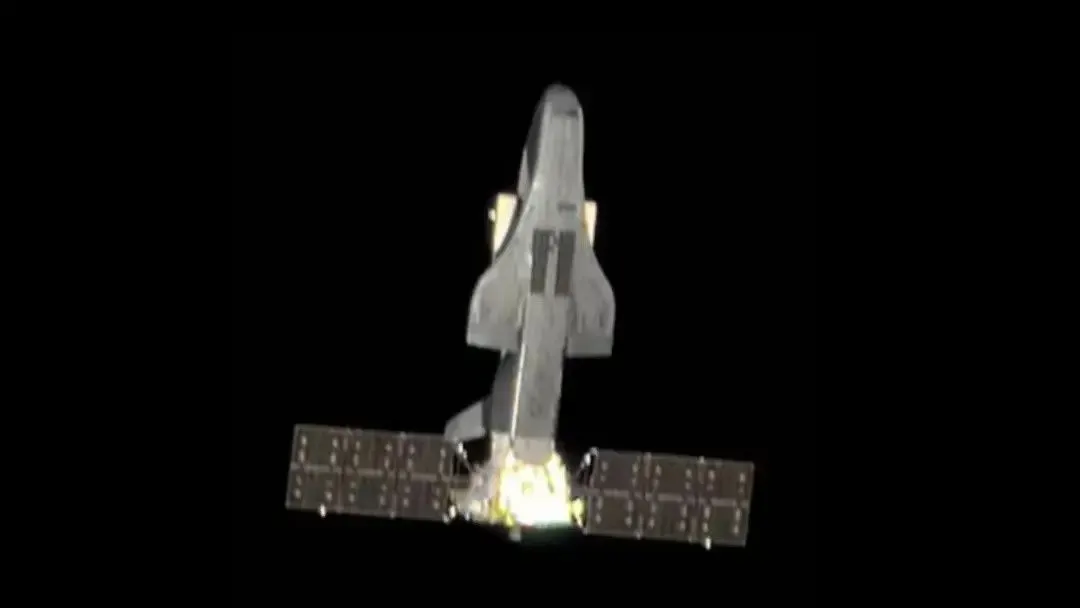
Shenlong spaceplane photographed in orbit with its cargo bay open
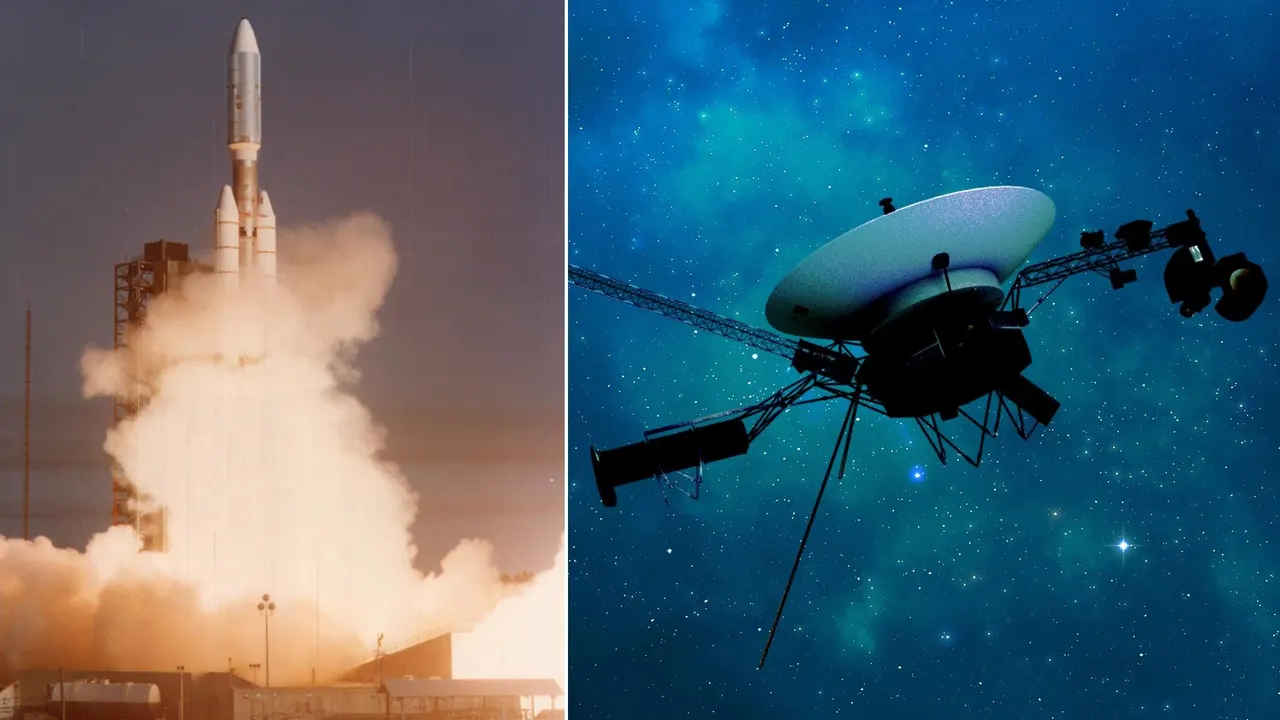
Voyager 1 hits one light-day from Earth; Voyager 2 trails to 2035