Voyager 1 hits one light-day away: how to flash VGR at it
On 18 November 2026 Voyager 1 will be one light-day from Earth. NASA wants you to flash "VGR" in Morse at the sky, though the probe will never see it.
 SUMO· the number puzzle
 Dialo· learn languages by speaking
 ediviewer· read EDI files like documents
 giftdetect· the right gift in minutes
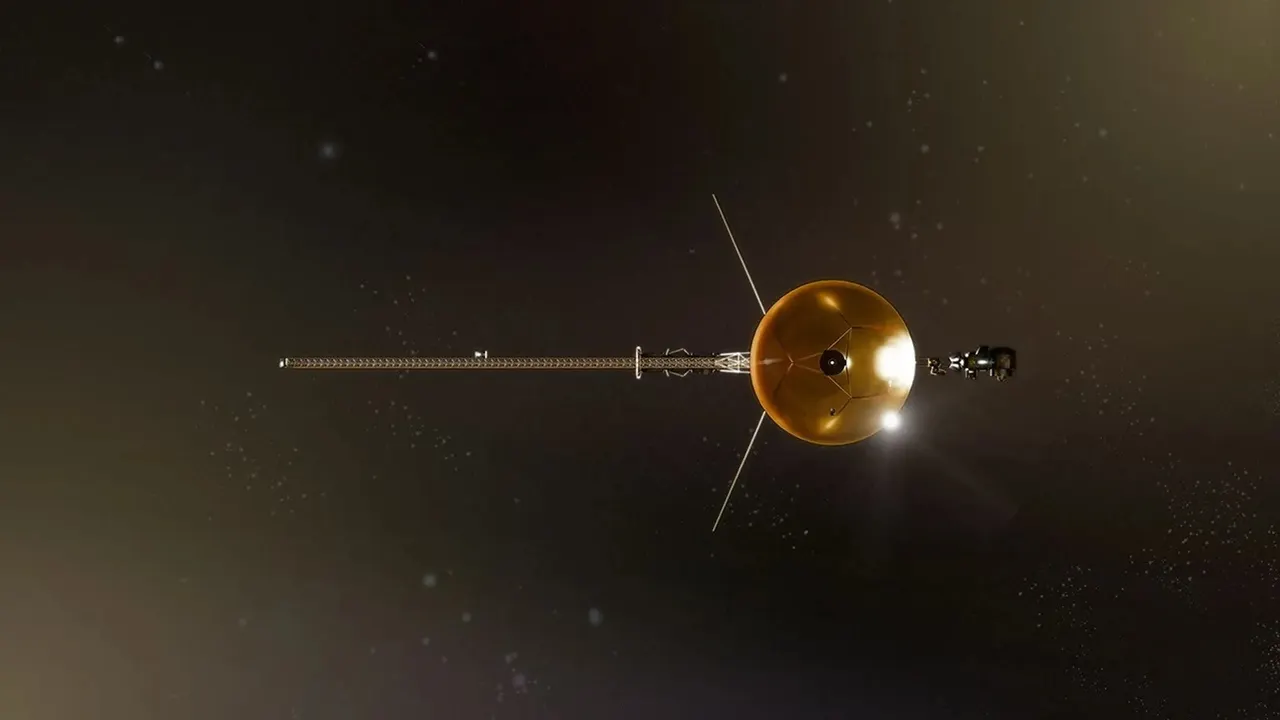
Voyager 1 is about to reach a distance where a radio message takes a full day to arrive. NASA has marked the occasion with a small ritual: on the evening of 17 November, point a phone or a torch at the sky and flash "VGR" in Morse code.
The milestone itself lands on 18 November at 11:16 Paris time. At that moment the probe will be one light-day from Earth, roughly 25.9 billion kilometres. Light leaving Earth needs 24 hours to reach it, and another 24 to come back, so any radio exchange takes two days. For comparison, sunlight reaches Earth in about eight minutes, and Pluto is five and a half light-hours away.
Launched in 1977, Voyager 1 is the first human-made object to get this far. It travels at 61,155 km/h. In 2012 it left the heliosphere, the bubble of particles the Sun blows around itself, and entered interstellar space, where our star no longer has direct influence. Another star system is still very far off.
How to wave at Voyager 1 on Tuesday night
Once the sun has set on 17 November, open NASA's flashing web page (also on its "Shine Bright" page) in a phone or tablet browser and aim the device at the sky. It blinks "VGR", the mission's call sign, in Morse.
Prefer a torch? Use short flashes for dots and flashes of about a second for dashes, with a brief pause between flashes and at least a second between letters. V is three short and one long. G is two long and one short. R is short, long, short.
NASA also invites people to film or photograph the signal and post it tagging @NASA. Be clear on one thing: it is symbolic. The agency says no torch will be detected by Voyager 1 at nearly 26 billion kilometres.
On 19 November at 18:00 Paris time, the Jet Propulsion Laboratory, which runs both Voyager probes, will stream a panel with the mission team on nasa.gov/live. It will include a first clip of the documentary NASA is preparing for NASA+, due in 2027 for the mission's 50th anniversary.
Apps worth a look
SUMO: the number puzzleTap the right tiles, add them up, hit the target. Easy to learn, hard to master. Free, for all ages.
Dialo: learn languages by speakingTalk to an AI conversation partner; every sentence comes back corrected and explained in your language. 9 languages, A1 to C2.
ediviewer: read EDI files like documentsOpen EDIFACT and X12 messages, see every segment explained, convert to JSON/XML, export PDF and Excel. Runs locally, no upload.
giftdetect: the right gift in minutesPick who it is for, the occasion and their personality. The search engine reads product descriptions from local shops and ranks what fits. Free, no sign-up.