NASA PROMISE moon rover runs on nuclear power, not sunlight
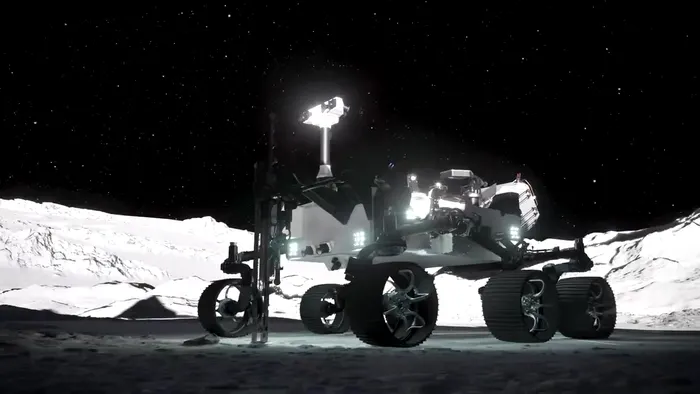
NASA is building PROMISE, a nuclear-powered rover for the Moon's south pole, where temperatures can fall to minus 242 degrees Celsius and the sun barely helps.
 SUMO· the number puzzle
 Dialo· learn languages by speaking
 ediviewer· read EDI files like documents
 giftdetect· the right gift in minutes
The Moon's south pole is dark, brutally cold and full of craters that never see sunlight. NASA's answer to that is a rover that doesn't need the sun at all: PROMISE, a lunar robot powered by a nuclear generator.
According to the plan, PROMISE will carry an onboard nuclear power unit, so it can keep working in shadow where solar panels would be useless. It will dig up soil from as deep as 1 metre and check it for resources such as water and ice. It will also measure the extreme cold, which can drop to minus 242 degrees Celsius, along with radiation levels.
What is the PROMISE rover meant to test?
Besides the science, NASA wants to try out autonomous driving. Signals from Earth make remote control clumsy, and the surface it will cross is dark. So the rover is meant to work out its own route instead of waiting for a human to steer it step by step.
When will PROMISE launch?
NASA is aiming for a launch at the end of 2028. After landing, the rover is planned to explore for 18 months.
The point of all this is practical. The data PROMISE gathers about ice, soil, cold and radiation is meant to feed into the design of a future Moon base. Knowing where the water is, and what conditions a building or a person would have to survive, comes before putting anything permanent there.
Apps worth a look
SUMO: the number puzzleTap the right tiles, add them up, hit the target. Easy to learn, hard to master. Free, for all ages.
Dialo: learn languages by speakingTalk to an AI conversation partner; every sentence comes back corrected and explained in your language. 9 languages, A1 to C2.
ediviewer: read EDI files like documentsOpen EDIFACT and X12 messages, see every segment explained, convert to JSON/XML, export PDF and Excel. Runs locally, no upload.
giftdetect: the right gift in minutesPick who it is for, the occasion and their personality. The search engine reads product descriptions from local shops and ranks what fits. Free, no sign-up.
More from this day
See all →
Boulanger website down: product pages show error 500 on Black Friday

Cartoon Wars PC version gets a Steam page 17 years on

Baemin drops fees on discounts and splits food and delivery ratings