Polish Bursztyn 2K rocket hits Mach 2 to test comms gear
Poland's Bursztyn 2K rocket flew at twice the speed of sound from Ustka. It set no record. The goal was to keep talking to it, and it worked.
 SUMO· the number puzzle
 Dialo· learn languages by speaking
 ediviewer· read EDI files like documents
 giftdetect· the right gift in minutes
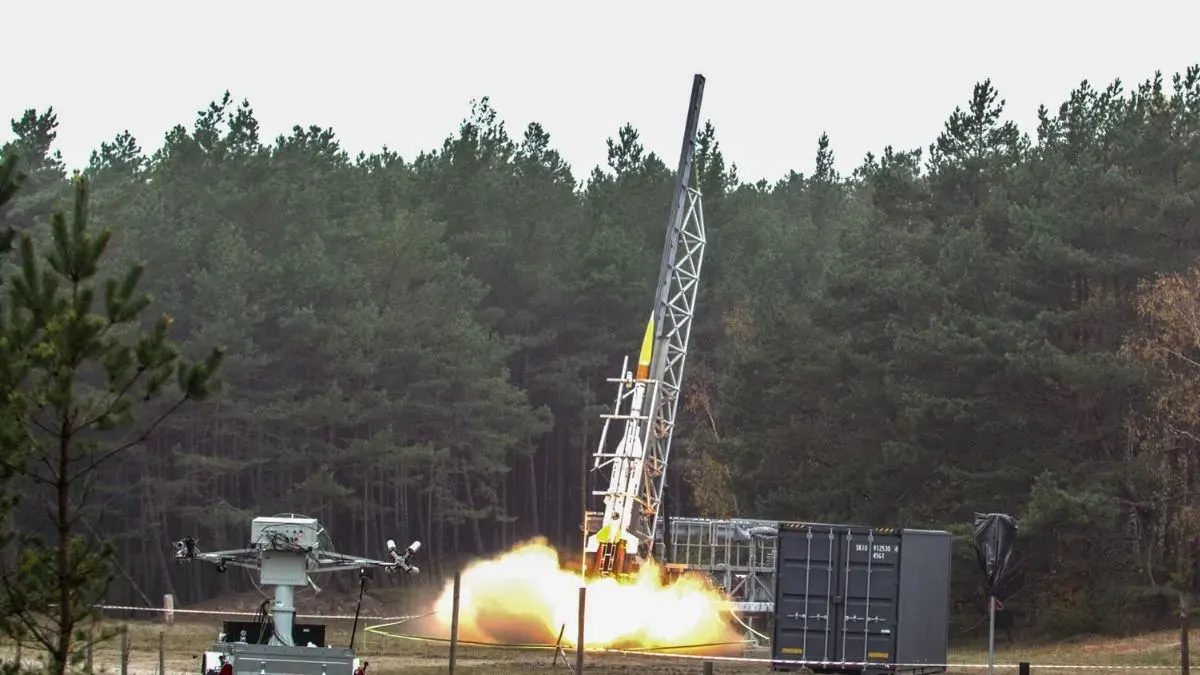
The Polish Bursztyn 2K rocket has flown again, and this time nobody was chasing altitude. On 12 November it reached twice the speed of sound (Mach 2) over the Air Force range in Ustka, carrying communication gear that a customer had built for it. Engineers wanted to know if they could keep in touch with a vehicle moving that fast. They could.
The ILR-33 Bursztyn 2K was developed by Łukasiewicz Research Network, the Institute of Aviation. It flew its planned profile, but the interesting part was the electronics. On board were communication modules, antennas and parts of a tracking system from Wrocław company Thorium Space. It was the first flight of a Polish rocket with a payload prepared for a specific client.
How did the Bursztyn rocket stay in contact at Mach 2?
The rocket sent telemetry, meaning data about its own condition, to a mobile ground station. The station sent commands back and automatically tracked the rocket, steering its antenna to follow it. The team also tested Wrap Around antennas built into the rocket's body, so nothing sticks out. A set working in the UHF, L and S bands had been qualified for flight earlier. Detailed link parameters were not published.
What is the SUBCOM project?
Thorium Space and the institute are working on SUBCOM. It should also help locate separated rocket parts after a flight, so the hardware and its recorded data can be recovered. The final system is meant to link suborbital rockets with satellites as well as ground stations. This test did not demonstrate satellite communication. It checked system elements in flight and the link to the ground.
The mobile WR-2 launcher was tested too. It arrived in Ustka in a standard shipping container.
In July 2024 Bursztyn crossed the edge of space at 101 km from Norway's Andøya Space. Now it is starting to work as a platform for other companies' hardware. Thorium Space plans to use the data to improve its tracking algorithms and expects its devices to become standard on later Bursztyn versions. SUBCOM is co-funded by the European Funds for a Modern Economy programme via the National Centre for Research and Development.
Apps worth a look
SUMO: the number puzzleTap the right tiles, add them up, hit the target. Easy to learn, hard to master. Free, for all ages.
Dialo: learn languages by speakingTalk to an AI conversation partner; every sentence comes back corrected and explained in your language. 9 languages, A1 to C2.
ediviewer: read EDI files like documentsOpen EDIFACT and X12 messages, see every segment explained, convert to JSON/XML, export PDF and Excel. Runs locally, no upload.
giftdetect: the right gift in minutesPick who it is for, the occasion and their personality. The search engine reads product descriptions from local shops and ranks what fits. Free, no sign-up.
More from this day
See all →
Sam Altman says AI's pitch missed the mark as voters limit data centers

Coles cyber incident: Australian supermarket investigates breach

China AI in schools: a 13-year-old built 200 apps in class

TOI-2535 b: the planet that vanished while astronomers watched
More in: Space
See all →
Voyager 1 reaches one light-day from Earth on 18 November
Reflect Orbital wants 50,000 mirror satellites to sell sunlight
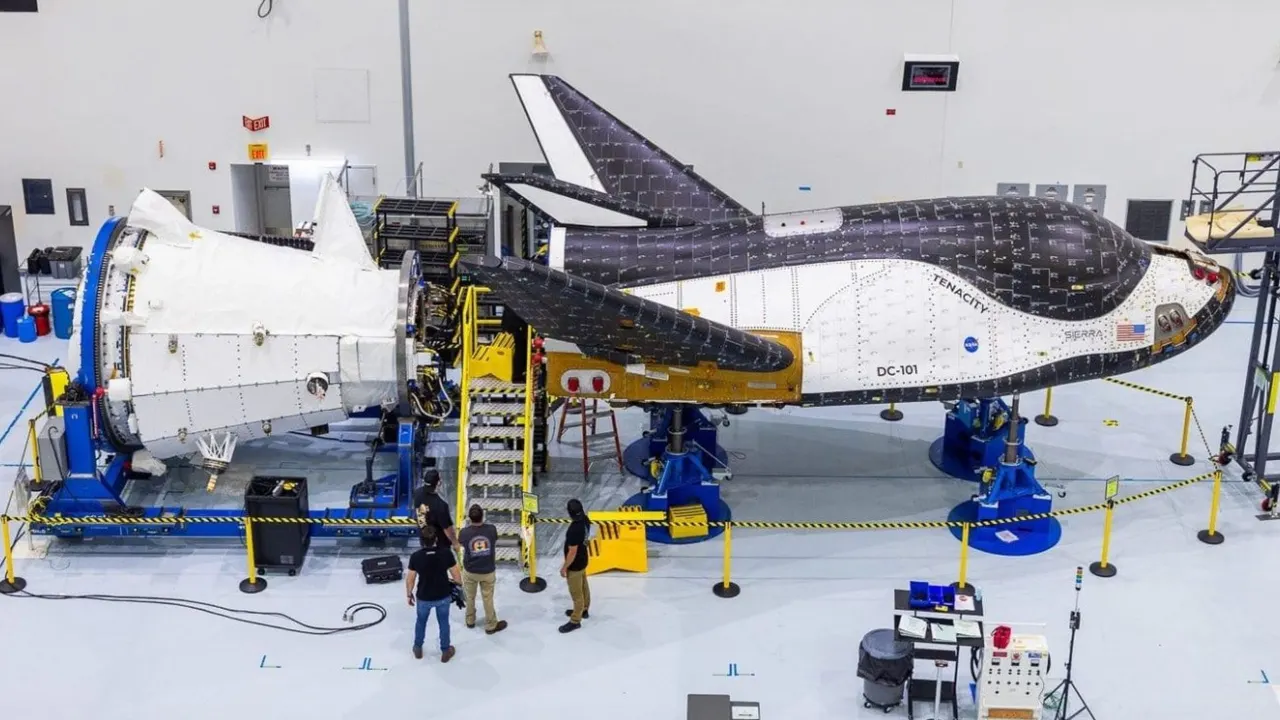
Dream Chaser space plane cleared to land ahead of 2027 debut