2026 QQ8: Earth has a temporary mini-moon until January 2027
A rock about 1.8 metres wide has been circling Earth since April. Astronomers argued over whether it was natural or space junk, and Apollo 13 even came up.
 SUMO· the number puzzle
 Dialo· learn languages by speaking
 ediviewer· read EDI files like documents
 giftdetect· the right gift in minutes
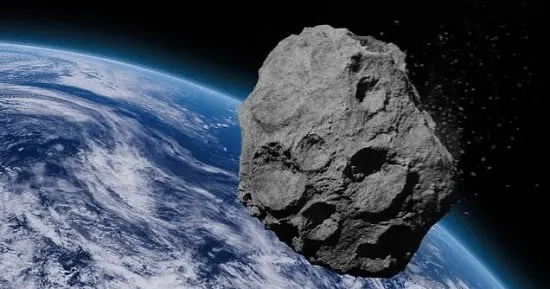
Earth has a houseguest. A rock roughly 1.8 metres (6 feet) across, called 2026 QQ8, was caught by our planet's gravity in April and is expected to hang around as a mini-moon until January 2027, when it heads back into space.
It is far too small to spot with an amateur telescope, but professional astronomers are following it closely. They want to understand how Earth grabs objects like this, even for a short stay.
The Hungarian researcher Krisztián Sárneczky found it in August. Then came an argument. After the data went to the International Astronomical Union's Minor Planet Center, which registers new objects, some experts thought it was a natural asteroid. Others suspected human-made space debris. Harvard astrophysicist Avi Loeb floated the idea that it could be a missing piece from the Apollo 13 mission. Later observations from the Lowell Discovery Telescope in Arizona and a University of Hawaii telescope settled it: the rock is natural. On 29 October the Minor Planet Center officially recognised it as a mini-moon.
What kind of object is 2026 QQ8?
Scientists think it belongs to the Aten asteroids, leftovers from the early days of the solar system about 4.6 billion years ago. Their orbits mostly sit inside Earth's and cross it repeatedly, so some come close now and then. 2026 QQ8 takes about 359 days to circle the Sun and passes Earth roughly once every 10 years. This time is different because it drifted into Earth's gravitational zone of influence, known as the Hill sphere.
Is it dangerous?
No. At that size it could not do any notable damage, even if it hit Earth.
It is not the first visitor of its kind. Object 1991 VG, found in 1991 and about 10 metres wide, also puzzled astronomers because of its orbit and reflective surface. Recent research suggests Earth usually has at least one extra mini-moon on a temporary orbit, and most stay for less than a year. Until 2026 QQ8 leaves, scientists will keep tracking it and collecting data.
Apps worth a look
SUMO: the number puzzleTap the right tiles, add them up, hit the target. Easy to learn, hard to master. Free, for all ages.
Dialo: learn languages by speakingTalk to an AI conversation partner; every sentence comes back corrected and explained in your language. 9 languages, A1 to C2.
ediviewer: read EDI files like documentsOpen EDIFACT and X12 messages, see every segment explained, convert to JSON/XML, export PDF and Excel. Runs locally, no upload.
giftdetect: the right gift in minutesPick who it is for, the occasion and their personality. The search engine reads product descriptions from local shops and ranks what fits. Free, no sign-up.
More from this day
See all →
Instagram India update: Meta cuts suggestive and violent content
How many photos fit on a 128GB USB drive? About 24,000

The Phoenix Project wants libraries to own ebooks, not rent them

Gruntometr 3D planner lets you place a house on a plot for free
More in: Space
See all →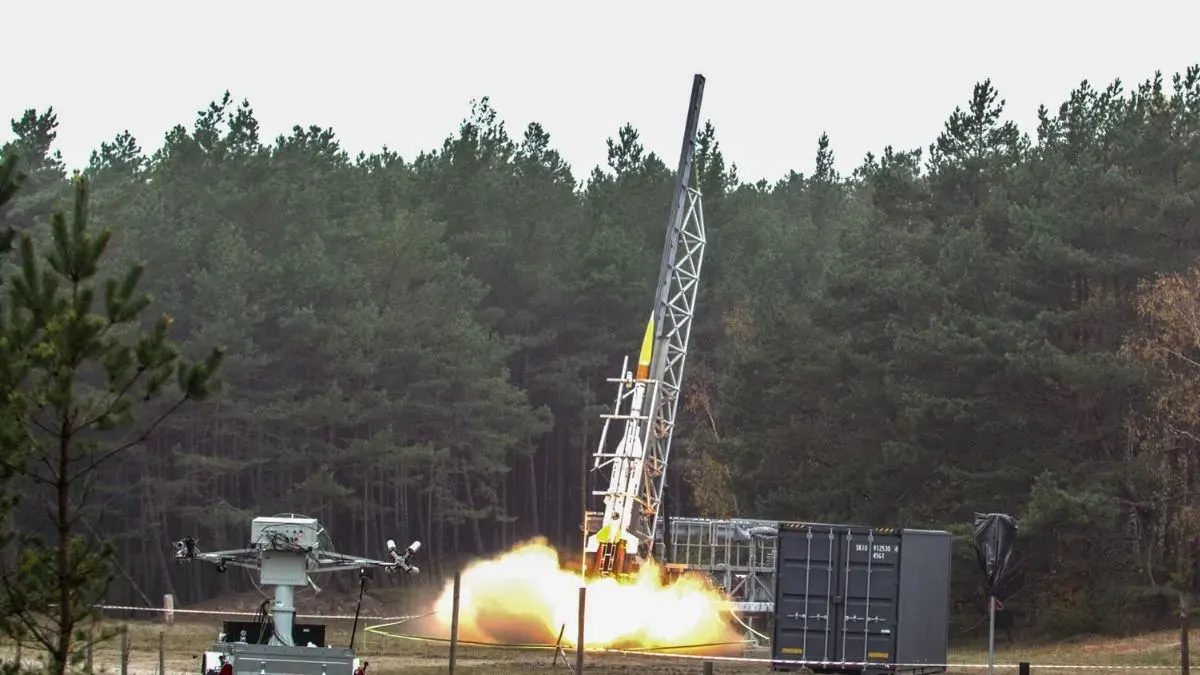
Polish Bursztyn 2K rocket hits Mach 2 to test comms gear
Voyager 1 reaches one light-day from Earth on 18 November
Reflect Orbital wants 50,000 mirror satellites to sell sunlight