Vitamin C after ham or sausage: what a new model suggests
A Waterloo model suggests vitamin C right after a meal could cut the stomach chemistry linked to processed meat. It was a simulation, not a human trial.
 SUMO· the number puzzle
 Dialo· learn languages by speaking
 ediviewer· read EDI files like documents
 giftdetect· the right gift in minutes
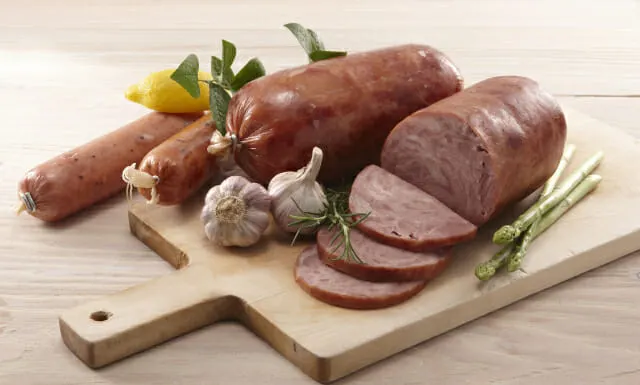
Eat a ham sandwich, then take vitamin C. Could that blunt some of the stomach chemistry linked to processed meat? A new computer model from Canadian researchers says it might, with a big caveat: nobody has tested it in people.
Researchers at the University of Waterloo built a mathematical model of digestion to see how vitamin C affects certain chemical reactions. The work appeared in the Journal of Theoretical Biology.
Why nitrates and nitrites matter
The focus was on nitrates and nitrites. They turn up in bacon and salami, but also in some vegetables and drinking water. After nitrate enters the body, some of it leaves in saliva, where bacteria in the mouth convert it into nitrite. When nitrite meets stomach acid, a reaction called nitrosation can happen. It can produce N-nitroso compounds, and some of those are thought to be potentially carcinogenic.
The team modelled the salivary glands, stomach, small intestine and blood, including how stomach acidity changes after a meal and what vitamin C does along the way.
What the simulation found
Vitamin C suppressed nitrosation in the stomach, which reduced the formation of potentially harmful compounds. Taken right after eating, it helped most. Across the diets the team analysed, a supplement after every meal had the largest effect.
The researchers think this could explain why nitrate-containing foods seem to affect health differently. Spinach, for example, contains nitrate naturally but also vitamin C and other antioxidants. Gordon McNicol, a postdoctoral researcher in applied mathematics at Waterloo, said studies on nitrates, nitrites and cancer have long disagreed, and vitamin C in food may be one reason.
Does vitamin C prevent cancer?
No, and the study does not say so. It predicted changes in a chemical reaction. It did not measure cancer rates in people, so how much real-world risk drops is unknown. It also does not mean heavy processed meat eating is cancelled out by a supplement.
Professor Anita Layton said nitrite exposure, antioxidant intake, meal timing, stomach conditions and mouth microbes all interact. The team hopes the model will guide future clinical and lab studies.
Apps worth a look
SUMO: the number puzzleTap the right tiles, add them up, hit the target. Easy to learn, hard to master. Free, for all ages.
Dialo: learn languages by speakingTalk to an AI conversation partner; every sentence comes back corrected and explained in your language. 9 languages, A1 to C2.
ediviewer: read EDI files like documentsOpen EDIFACT and X12 messages, see every segment explained, convert to JSON/XML, export PDF and Excel. Runs locally, no upload.
giftdetect: the right gift in minutesPick who it is for, the occasion and their personality. The search engine reads product descriptions from local shops and ranks what fits. Free, no sign-up.
More from this day
See all →
Robert Pattinson as James Bond: a 1957 sketch looks like him

Google Messages may bring back inbox sorting with Main and Others
Apple iPhone repair trial: Paris prosecutors take Apple to court

Robust AI's Carter robot comes to you when you wave at it
More in: Science
See all →
Endurance Energy tests seafloor geothermal power at a volcano
Neanderthal DNA variant shrinks part of the brain and lowers schizophrenia risk

Asteroid 1998 KY26: Could It Be the Lost Soviet Probe Phobos 1?