Neanderthal DNA variant shrinks part of the brain and lowers schizophrenia risk
A tiny four-letter change inherited from Neanderthals shrinks part of the visual brain by about 0.85 cm³ per copy, and carriers have nearly 10% lower schizophrenia risk.
 SUMO· the number puzzle
 Dialo· learn languages by speaking
 ediviewer· read EDI files like documents
 giftdetect· the right gift in minutes
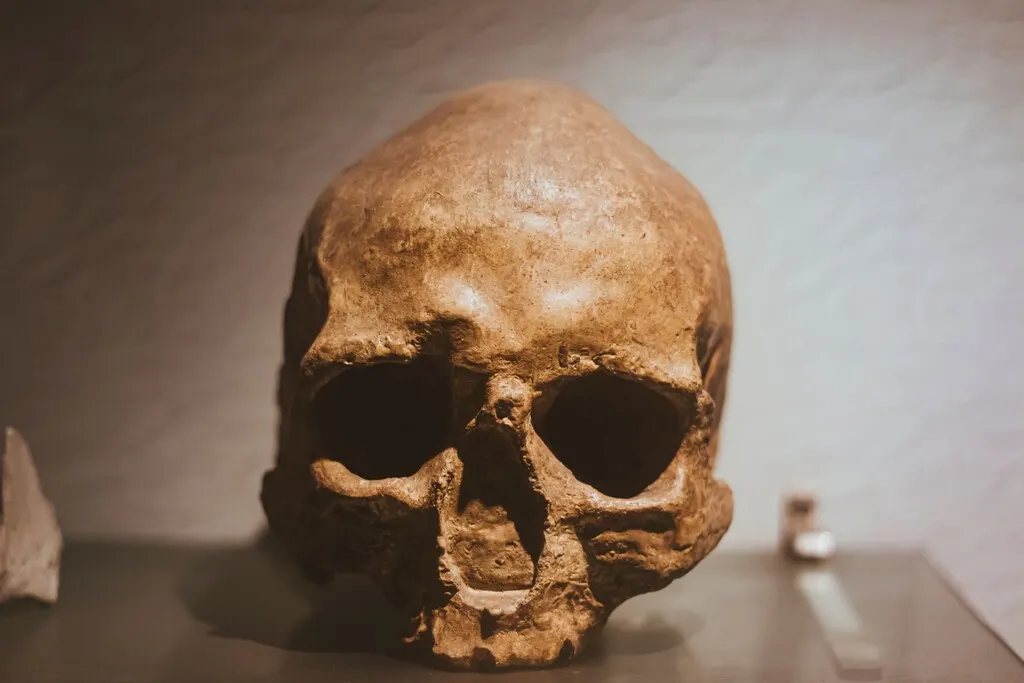
Neanderthals vanished tens of thousands of years ago, but a scrap of their DNA still shapes the back of your brain. A new study links one inherited Neanderthal variant to a smaller visual region and to a lower risk of schizophrenia.
When Homo sapiens left Africa and mixed with Neanderthals in Eurasia, our ancestors picked up small pieces of their DNA. Today, 1 to 2% of the genome of non-African populations comes from those encounters.
The researchers crossed ancient genomes with large modern biomedical databases, which led them to chromosome 14. The variant they found does not change the structure of a protein. It is a tiny edit of four letters, involved in brain development and in the architecture of cells.
How do we know it came from Neanderthals?
To rule out a much older common ancestor, the team compared the stretch of DNA with high-coverage fossil sequences. The variant shows up in all five Neanderthal genomes analysed. It is completely absent from present-day sub-Saharan African populations.
What does the Neanderthal variant do to the brain?
Its effect is concentrated in the occipital lobe, at the back of the brain, and especially in a structure that processes information coming from the eyes. Each inherited copy is linked to an average reduction of about 0.85 cm³ in that region. It sounds small, but it is the largest inherited effect on the size of this region found so far for a single genetic variant.
Cognitive performance was not affected. Psychiatry is where the link appears: people with just one copy have almost 10% lower risk of developing schizophrenia than everyone else.
That adds nuance to a debate that has run for years. According to this study, Neanderthal ancestry taken as a whole shows no protective trend against schizophrenia. A 2021 study had suggested that patients carried a smaller overall share of Neanderthal variation than healthy controls, though with very tight statistical significance. The small specific variant seems to matter more.
There is also a puzzle. Endocasts of fossil skulls show Neanderthals had proportionally larger occipital lobes and visual cortices than we do, often read as an adaptation to dim light at high latitudes. So why would a Neanderthal variant shrink that area in us? The researchers argue that brain architecture involves many genes, so no single one tells the whole story. It is one more clue to what our ancestors left us.
Apps worth a look
SUMO: the number puzzleTap the right tiles, add them up, hit the target. Easy to learn, hard to master. Free, for all ages.
Dialo: learn languages by speakingTalk to an AI conversation partner; every sentence comes back corrected and explained in your language. 9 languages, A1 to C2.
ediviewer: read EDI files like documentsOpen EDIFACT and X12 messages, see every segment explained, convert to JSON/XML, export PDF and Excel. Runs locally, no upload.
giftdetect: the right gift in minutesPick who it is for, the occasion and their personality. The search engine reads product descriptions from local shops and ranks what fits. Free, no sign-up.
More from this day
See all →
GTA 6 New Zealand trick: how to play a day early on PS5 and Xbox
Optimizely attack hit IKEA, Zoom and HSBC sites, with iPhone malware

Proton Lumo desktop app lets the AI chatbot reach Proton Mail
Survival LLM: an offline survival AI that needs power and patience
More in: Science
See all →
Asteroid 1998 KY26: Could It Be the Lost Soviet Probe Phobos 1?

School phone bans add one to two weeks of learning, study finds
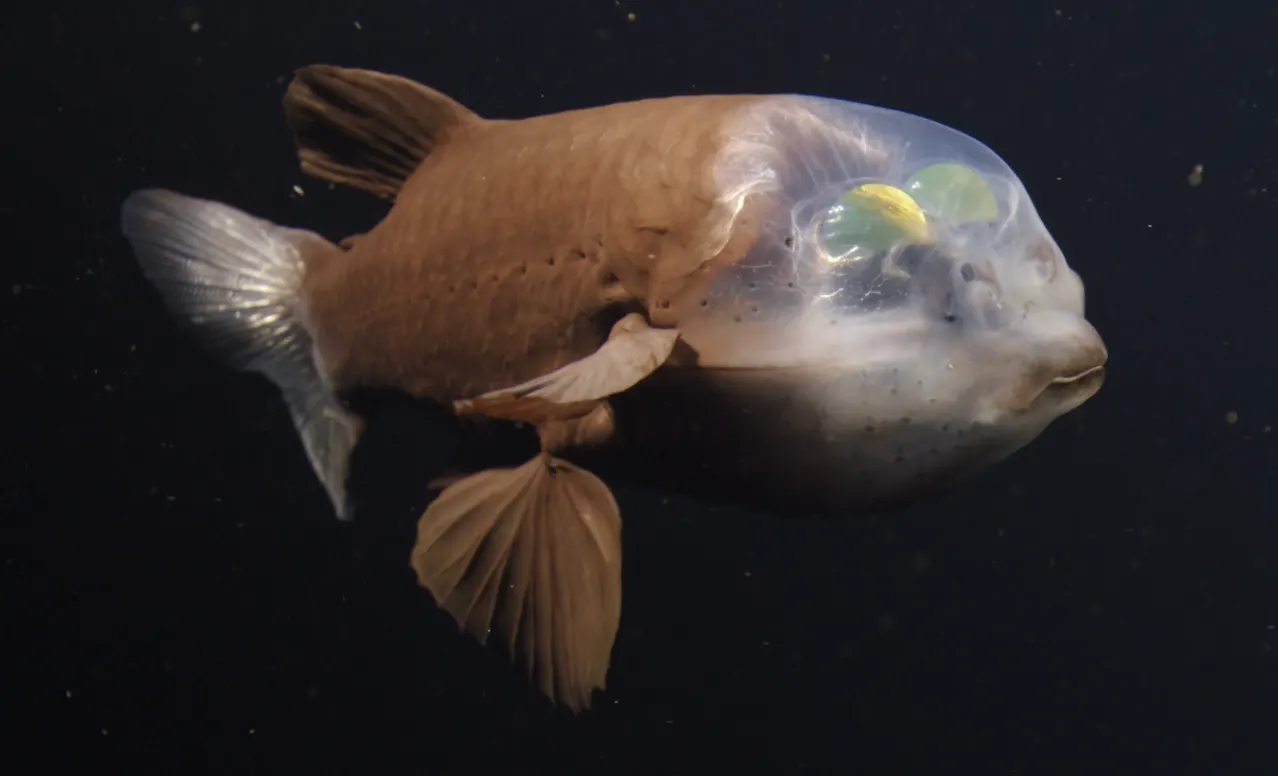
Barreleye fish filmed in 4K for the first time, see-through head and all