Tesla Powerwall 3 Can Now Control Heat Pumps to Store Solar Heat
Tesla's new Heat Pump Optimization lets Powerwall 3 and 3P batteries time heat pump operation, storing cheap or solar power as hot water. It is Europe-only for now.

 SUMO· the number puzzle
 Dialo· learn languages by speaking
 ediviewer· read EDI files like documents
 giftdetect· the right gift in minutes
Tesla has launched Heat Pump Optimization, a feature that lets Powerwall 3 and Powerwall 3P batteries decide when a home heat pump runs. The aim is to store surplus solar power or cheap grid electricity as hot water and use it when electricity prices are high.
The battery tracks electricity prices and solar output through the day. When it detects a solar surplus or low prices, it signals the heat pump to heat beyond the home's immediate needs. The extra heat stays in the hot water tank or a thermal storage tank, which reduces the need to run the pump during expensive hours.
How it works
Behavior depends on the battery's mode. In Self-Powered mode, extra heating starts only once solar surplus remains after the home's other needs are met. In Savings mode, it runs when solar power is available or when grid prices hit their lowest point in a 24-hour forecast.
The feature relies on SG-Ready, a German standard for communication between energy management systems and heat pumps. It uses direct electrical contacts rather than a cloud link to manufacturers, and Tesla uses two of its modes: normal operation and boosted heating.
Requirements are strict. Owners need a Powerwall 3 or 3P running firmware 26.26 or later, an SG-Ready heat pump that supports the SG-2 contact and accepts external signals, a wired connection between the two, installation by a Tesla-certified technician, and Tesla app version 4.59.1 or later. Tesla says the signals are recommendations that the heat pump's thermostat settings can override, and each must last at least 10 minutes. During a power outage, the feature returns to normal operation so the battery can prioritize backup loads.
Why it matters
A hot water tank can work as a thermal battery. By the report's calculation, a 300-liter tank heated an extra 30°C stores about 10.5 kWh of heat. With a heat pump at a COP of 3, that takes only about 3.5 kWh of electricity, leaving the Powerwall's 13.5 kWh free for other uses.
The feature is available only in Europe, and Tesla has announced no plans for the United States or Canada. The timing fits a growing market: Germany sold 299,000 heating heat pumps in 2025, up 55% on the year, and they made up about half of new heating systems sold there for the first time. Tesla is not the first with this kind of integration, as sonnen released a software update for its batteries in 2023.
Apps worth a look
SUMO: the number puzzleTap the right tiles, add them up, hit the target. Easy to learn, hard to master. Free, for all ages.
Dialo: learn languages by speakingTalk to an AI conversation partner; every sentence comes back corrected and explained in your language. 9 languages, A1 to C2.
ediviewer: read EDI files like documentsOpen EDIFACT and X12 messages, see every segment explained, convert to JSON/XML, export PDF and Excel. Runs locally, no upload.
giftdetect: the right gift in minutesPick who it is for, the occasion and their personality. The search engine reads product descriptions from local shops and ranks what fits. Free, no sign-up.
More from this day
See all →
GOG GALAXY Is Coming Natively to Linux After 18 Years
Claude Code accused of leaking users' email addresses to websites

Alta Ares wins six NATO counter-drone lots in first big deal

NCBR Sets Aside PLN 25 Million for International AI R&D Projects
More in: Hardware
See all →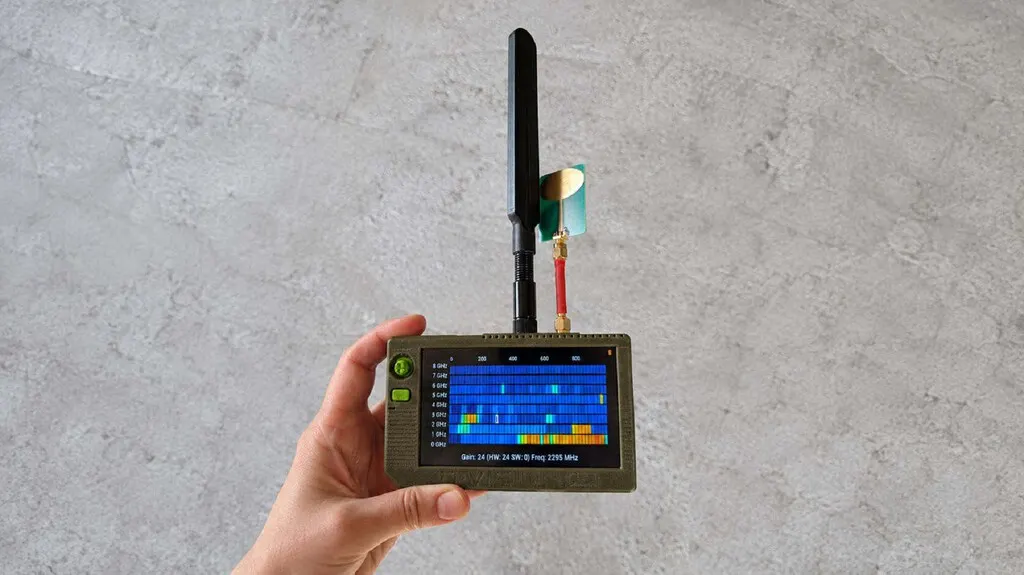
D-Vision SDR: Ukrainian Pocket Receiver Shows Russian Drone Feeds

FritzOS 8.50 and 8.51 roll out to more Fritzbox routers
Bluetooth HDT Quadruples LE Speeds to 7.5 Mbps for Better Audio