Surveillance pricing: how your data can raise what you pay
Surveillance pricing uses your location, device and browsing data to guess the most you'll pay. Instacart's version could have cost a family about $1,200 a year.

 SUMO· the number puzzle
 Dialo· learn languages by speaking
 ediviewer· read EDI files like documents
 giftdetect· the right gift in minutes
You find a TV you like, the price looks fine, and you buy it. But what if the person next to you saw a different number? That is the idea behind surveillance pricing, and it is more common than most shoppers assume.
The nonprofit Electronic Privacy Information Center (EPIC) defines it as an algorithmic practice that charges individuals or groups different prices for the same goods or services. The goal, in EPIC's words, is to infer the highest price a customer is willing to pay, based on personal data and other market data. That data can come from web history, smart devices and apps.
Surveillance pricing versus dynamic pricing
Dynamic pricing, or surge pricing, is different. It reacts to supply and demand, inventory and competitor prices, not to who you are. An Uber costing more at rush hour is dynamic pricing. Surveillance pricing feels less reasonable because the price is tied to you.
There are examples. In 2025, Consumer Reports found that price variations on Instacart could mean a swing of about $1,200 a year for a typical household of four. Instacart has since removed its tools. Target's app was accused of charging $100 more for a TV when a user stood inside a store. In 2012, Orbitz was found to show pricier hotels more prominently to macOS users. Companies often dispute these labels.
Tinder was reported to charge older users more for subscriptions. It denied using social or demographic data for pricing, agreed to pay $60.5 million to settle a class action, and says it stopped.
How widespread is surveillance pricing?
In 2025 the FTC said at least 250 companies used it. Data brokers, ad and analytics firms and credit providers make building customer profiles easy. In 2018, ZipRecruiter raised profits 84 percent with personalized prices compared with a flat $99.
There is also a fairness problem. A 2025 report from the American Economic Liberties Project says biased data can carry into prices. It cites studies showing rideshare riders going to predominantly non-white neighborhoods often paid more, and test-prep services priced over $1,000 higher in zip codes with large Asian populations.
What can be done?
Some critics want bans or limits. Others warn that this could hurt shoppers, since personalized pricing can also show lower prices. A middle path is disclosure, like Uber's surge notice. For your own part, decide what you are willing to spend before you start shopping.
Apps worth a look
SUMO: the number puzzleTap the right tiles, add them up, hit the target. Easy to learn, hard to master. Free, for all ages.
Dialo: learn languages by speakingTalk to an AI conversation partner; every sentence comes back corrected and explained in your language. 9 languages, A1 to C2.
ediviewer: read EDI files like documentsOpen EDIFACT and X12 messages, see every segment explained, convert to JSON/XML, export PDF and Excel. Runs locally, no upload.
giftdetect: the right gift in minutesPick who it is for, the occasion and their personality. The search engine reads product descriptions from local shops and ranks what fits. Free, no sign-up.
More from this day
See all →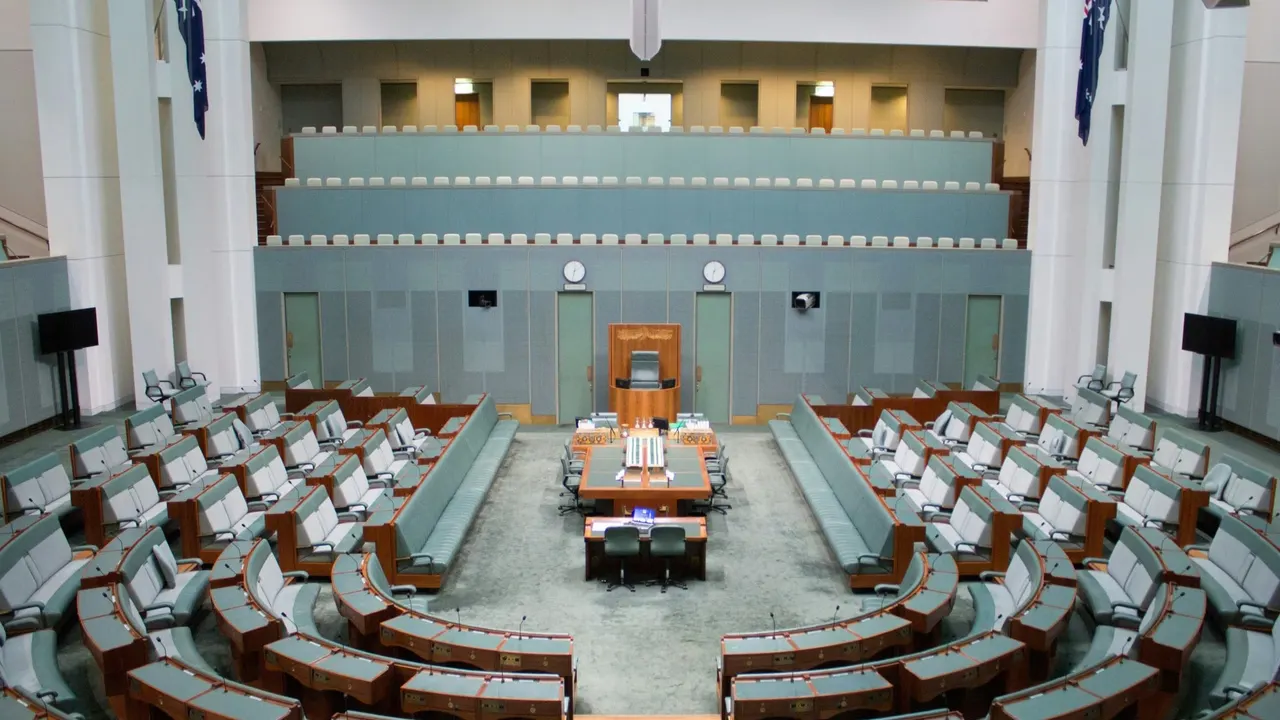
Australia's digital duty of care law lets people sue big tech
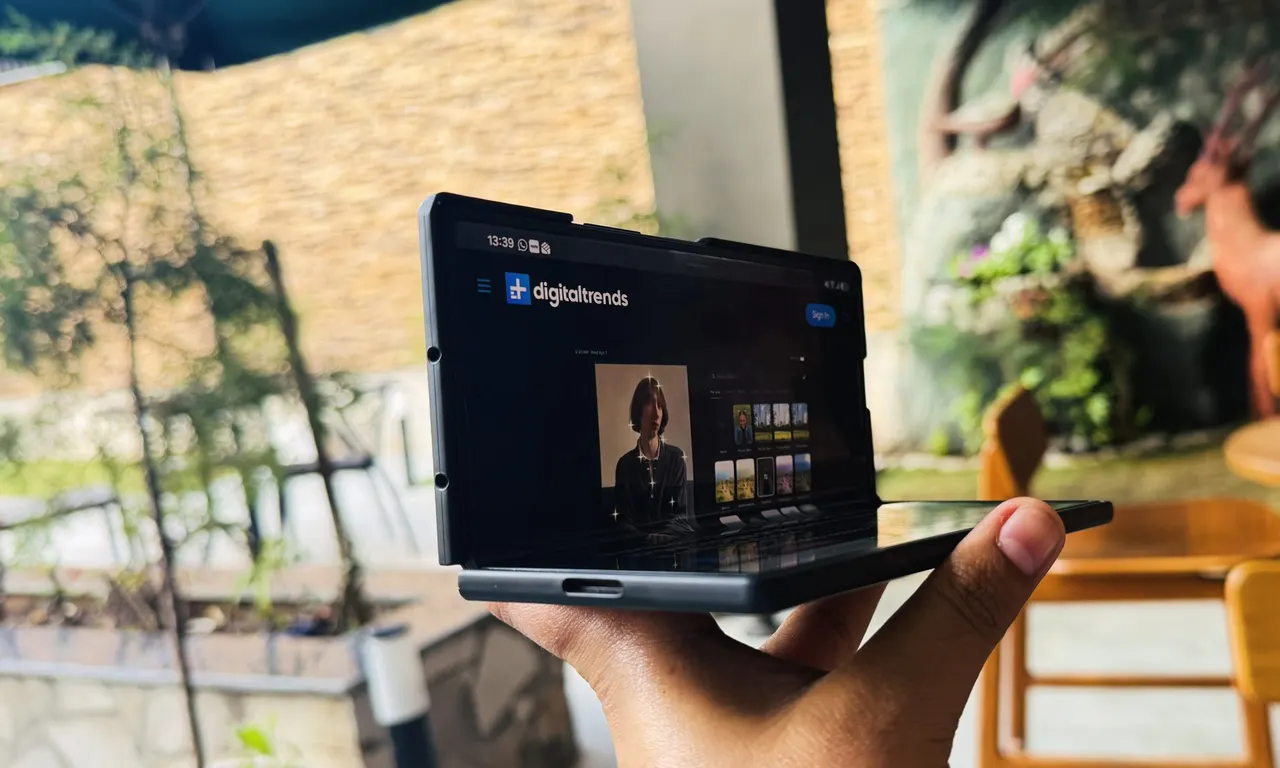
Fold2Unfold turns a foldable phone into its own privacy screen
OpenAI bug suspect Abdulrahman Alfozan and his $14 device

Shenloong deep-sea worm hides bacteria-filled "dragon balls"
More in: Business
See all →
Dark patterns in India: 94% of 354 top platforms still use them
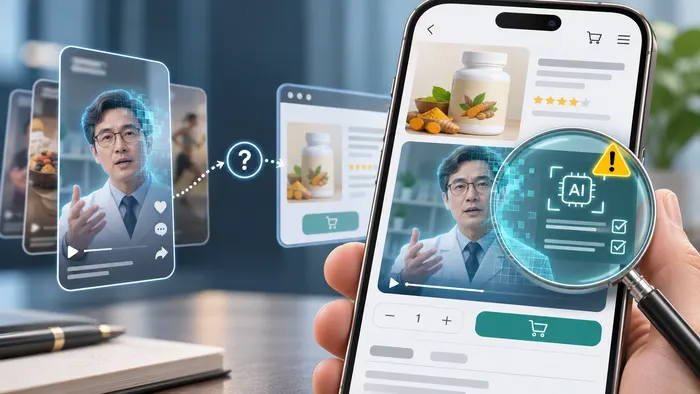
South Korea bans AI fake doctor food ads from Nov 27

Megaspeed blacklisted by US after Nvidia CEO Jensen Huang link