Australia's digital duty of care law lets people sue big tech
A deal with the Greens clears Australia's digital duty of care bill. Users will be able to sue platforms, and fines reach A$109mn or 5% of global revenue.
 SUMO· the number puzzle
 Dialo· learn languages by speaking
 ediviewer· read EDI files like documents
 giftdetect· the right gift in minutes
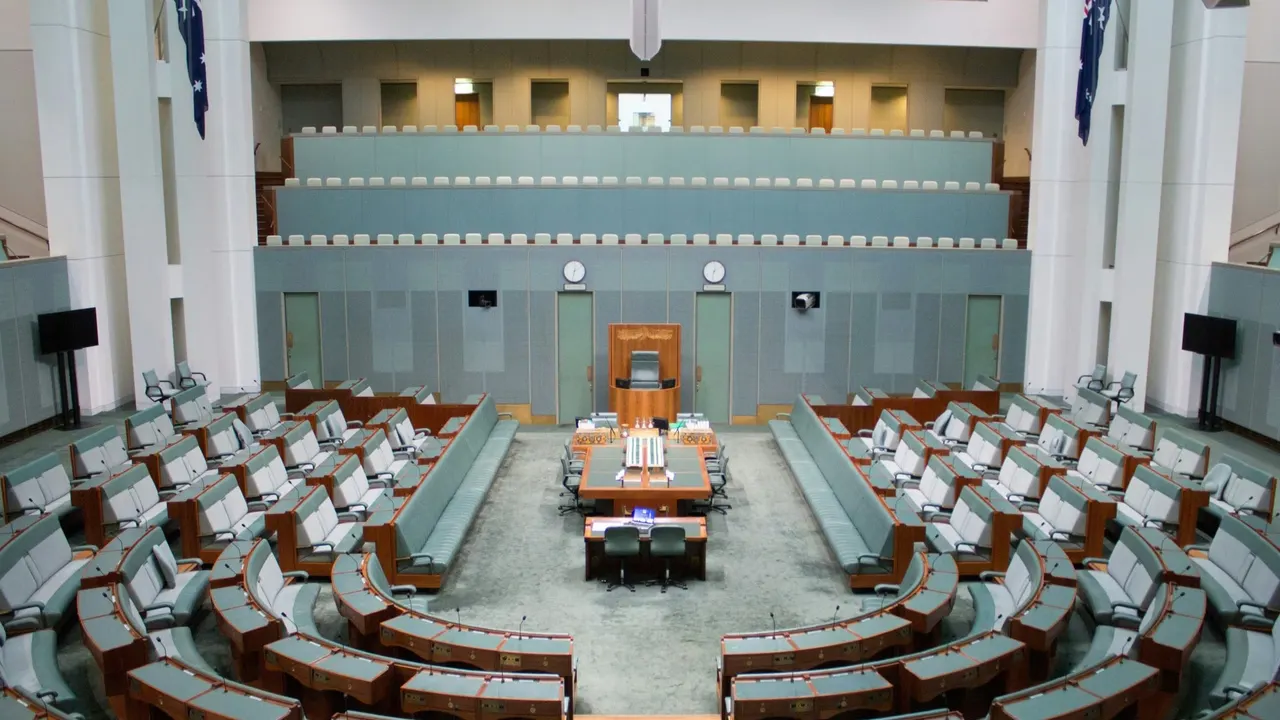
Australians are about to get the right to sue tech companies over online harm. Communications Minister Anika Wells announced a deal with the Greens on Tuesday that clears the way for the country's digital duty of care law, and she said the bill would pass parliament this week.
What is the digital duty of care?
It changes who does the chasing. Until now, regulators have mostly gone after harmful content once it has spread. Under the duty of care, platforms must find and reduce foreseeable risks before people get hurt. The bill passed the lower house in October, but it needed Greens votes in the Senate after the opposition Coalition came out against it.
Those votes came at a price. Individuals and groups will be able to sue platforms that breach their duty, and a separate external complaints body will offer a faster route alongside the courts.
How big are the fines?
Companies that breach the duty now face fines of A$109mn (about €62mn) or up to 5% of global revenue. Wells said that sits between Canada's 3% and the EU's 6%, and noted that courts in Europe tend to award a share of the maximum depending on the case.
The amended bill also names addictive design, such as endless scroll and popularity meters, as a risk platforms must assess. It gives the eSafety regulator more power to take down nudify apps and strengthens privacy protections. The definition of content that promotes hatred of women is sharper too. Wells said it targets material pushing violence and harassment at children, not opinions about feminism.
"If you build it, you should be responsible for its risks," Wells told reporters in Canberra.
What happens next?
Once the law passes, platforms get a 12-month transition before the duty takes effect. It sits on top of Australia's under-16 social media ban, the world's first, in force since December.
The revenue-based penalty may not go down well in Washington, which has objected to fines sized on US companies' worldwide earnings. Wells met US ambassador David Brat on Tuesday morning and described the talk as friendly, with differences still being worked through.
Apps worth a look
SUMO: the number puzzleTap the right tiles, add them up, hit the target. Easy to learn, hard to master. Free, for all ages.
Dialo: learn languages by speakingTalk to an AI conversation partner; every sentence comes back corrected and explained in your language. 9 languages, A1 to C2.
ediviewer: read EDI files like documentsOpen EDIFACT and X12 messages, see every segment explained, convert to JSON/XML, export PDF and Excel. Runs locally, no upload.
giftdetect: the right gift in minutesPick who it is for, the occasion and their personality. The search engine reads product descriptions from local shops and ranks what fits. Free, no sign-up.
More from this day
See all →
Fold2Unfold turns a foldable phone into its own privacy screen

Surveillance pricing: how your data can raise what you pay
OpenAI bug suspect Abdulrahman Alfozan and his $14 device

Shenloong deep-sea worm hides bacteria-filled "dragon balls"
More in: Other
See all →
Drone delivery pilot job: what a Flytrex RPIC does in Dallas

AI toys: 150 child safety groups ask Amazon and eBay to pull them