Starfish Space Loses Contact With Otter 24C Spacecraft in Orbit
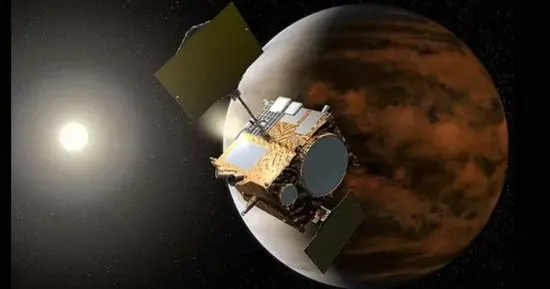
Starfish Space has lost contact with its NASA-backed Otter 24C spacecraft a month after launch. A software fault in its fault-protection system silenced the radio.
 SUMO· the number puzzle
 Dialo· learn languages by speaking
 ediviewer· read EDI files like documents
 giftdetect· the right gift in minutes
Starfish Space has lost contact with its Otter 24C spacecraft in low Earth orbit, ending the NASA-supported demonstration mission about a month after launch. Together with NASA and Astro Digital, which built the spacecraft's bus, the company concluded that the vehicle can no longer be recovered.
Otter 24C launched on 1 October 2026 aboard a SpaceX Falcon 9, part of a rideshare flight carrying 130 payloads to low Earth orbit. Engineers established initial contact after it reached orbit, but the link was lost during early operations, the phase in which systems are switched on and instruments calibrated before the main work begins.
What went wrong
According to NASA, the investigation found a flaw in the spacecraft's fault-protection system, which is meant to detect problems and respond to them. A software error caused this system to shut down the onboard radio. Controllers on the ground could then neither send commands nor restart the communications system.
What the mission was meant to do
The roughly 335-kilogram spacecraft was flying a mission called SSPICY, designed to test technologies for inspecting inactive objects in orbit. Over two years it was to approach up to four defunct American space objects and carry out detailed visual inspections, gathering data on their condition, orientation and spin rate. It was equipped with advanced propulsion, navigation, guidance and control systems and a movable robotic arm. It was not designed to touch or dock with any satellite; the aim was to prove technologies that could later enable servicing, repair or removal.
Starfish Space received 15 million dollars from NASA for the mission under the Small Business Innovation Research program. The company says the work done on Otter 24C will improve future missions and that it is making changes to reduce the chance of the same fault recurring.
The company continues to test its smaller demonstrator, Otter Pup 2, launched in June 2025. That craft autonomously approached Gilmour Space's Elara Sat satellite to within 25 meters, testing the navigation and close-approach techniques that precede docking attempts.
Apps worth a look
SUMO: the number puzzleTap the right tiles, add them up, hit the target. Easy to learn, hard to master. Free, for all ages.
Dialo: learn languages by speakingTalk to an AI conversation partner; every sentence comes back corrected and explained in your language. 9 languages, A1 to C2.
ediviewer: read EDI files like documentsOpen EDIFACT and X12 messages, see every segment explained, convert to JSON/XML, export PDF and Excel. Runs locally, no upload.
giftdetect: the right gift in minutesPick who it is for, the occasion and their personality. The search engine reads product descriptions from local shops and ranks what fits. Free, no sign-up.
More from this day
See all →
PORT raises €14.5 million to build AI delivery robots in UK

India's Neoclouds Face Twin Tests as US AI Selloff Deepens

Sarvam AI Hires Ex-Google Cloud India Head as President and CBO

Diraq Runs Silicon Spin Quantum Computer in Equinix Data Center
More in: Space
See all →
NASA Announces Contracts Worth Up to $10 Billion for Moon Base
France orders IRIS spy satellites from Airbus and Thales
Argo Space: Ex-SpaceX Brothers Build Water-Powered Spacecraft