Spain gets 56% of power from renewables, but IEA flags a gap
The IEA's Spain 2026 review praises a decade of renewable growth, but warns that electrification of transport and industry lags far behind clean power generation.
 SUMO· the number puzzle
 Dialo· learn languages by speaking
 ediviewer· read EDI files like documents
 giftdetect· the right gift in minutes
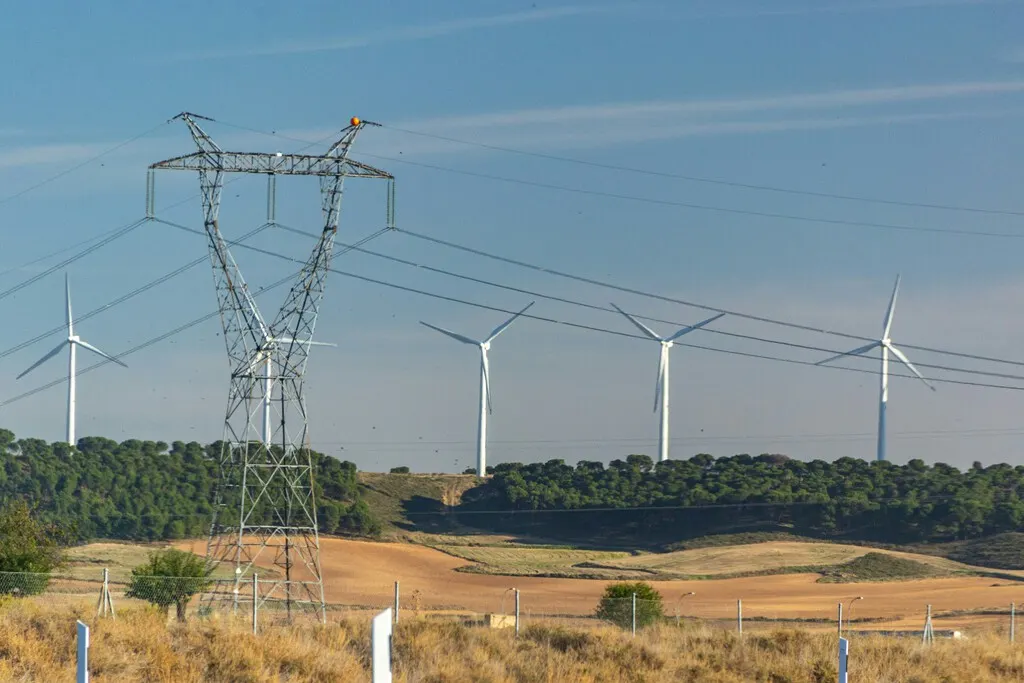
Spain generated 56% of its electricity from renewable sources last year, but the wider economy is still far from running on clean power. That is the central message of the International Energy Agency's new report, Spain 2026 – Energy Policy Review.
A decade of rapid progress
According to the IEA, Spain doubled its installed renewable capacity between 2015 and 2025, reaching 119 GW. Last year alone it added 15 GW, its biggest annual figure so far, and 90% of that was solar photovoltaic. The rest of the 2025 power mix was 21% natural gas, 18% nuclear, 3% oil and 0.7% coal.
Energy intensity improved by an average of 2.4% a year over the decade, and greenhouse gas emissions fell by almost a fifth. The agency estimates that without the renewable build-out, gas imports would have been up to 40% higher in 2024.
Gas did rise from 19% of generation in 2024 to 21% in 2025. The report links this to special operating procedures introduced after the blackout of 28 April.
The electrification gap
The problem is demand. In 2024 electricity made up only 25% of Spain's final energy consumption, ten points short of the 35% target for 2030 in the National Integrated Energy and Climate Plan. Electricity covered 55% of energy demand in buildings and 29% in industry, but only about 2% in transport.
Transport is the largest final energy consumer and was responsible for 46% of energy-related CO2 emissions in 2024, 7.7% more than in 2015. Oil supplied 92% of its energy. Hydrogen and biomethane have potential, the IEA says, but remain far from their targets.
What the IEA recommends
With so much new renewable capacity, the grid must cope with moments of low demand and high output, and the reverse. The agency calls for more flexibility, energy storage and stronger interconnections with neighbouring countries, which it describes as very limited today. Spain also still needs to electrify transport and much of its industry, adapt buildings and reinforce its networks.
Apps worth a look
SUMO: the number puzzleTap the right tiles, add them up, hit the target. Easy to learn, hard to master. Free, for all ages.
Dialo: learn languages by speakingTalk to an AI conversation partner; every sentence comes back corrected and explained in your language. 9 languages, A1 to C2.
ediviewer: read EDI files like documentsOpen EDIFACT and X12 messages, see every segment explained, convert to JSON/XML, export PDF and Excel. Runs locally, no upload.
giftdetect: the right gift in minutesPick who it is for, the occasion and their personality. The search engine reads product descriptions from local shops and ranks what fits. Free, no sign-up.
More from this day
See all →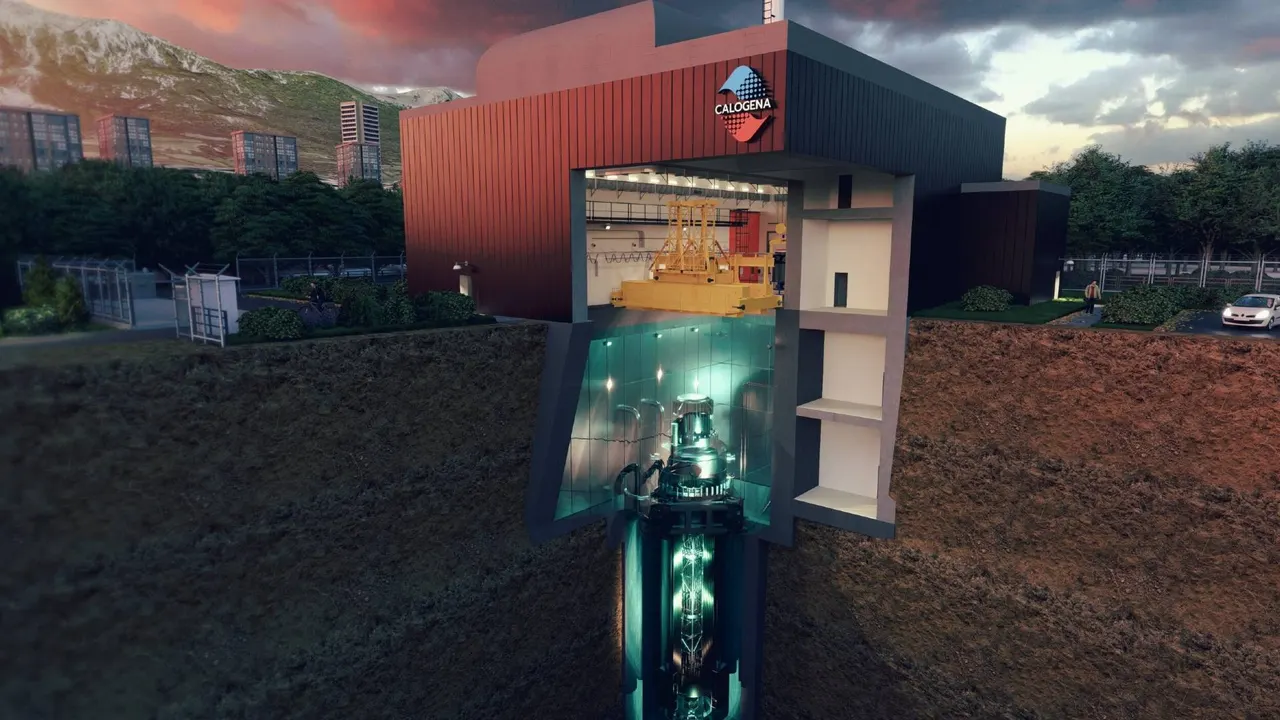
Calogena wins €40 million EU grant for first commercial SMR
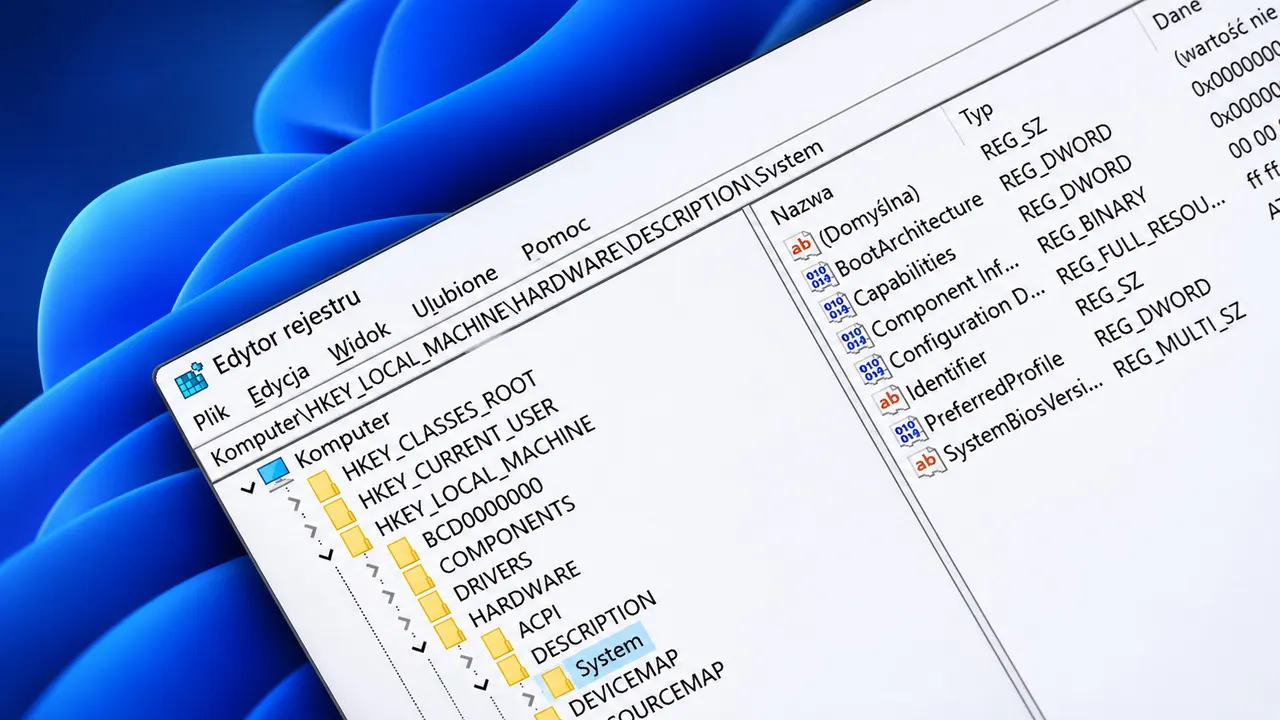
Windows 11 Registry Editor Gets a WinUI 3 Version as a Demo
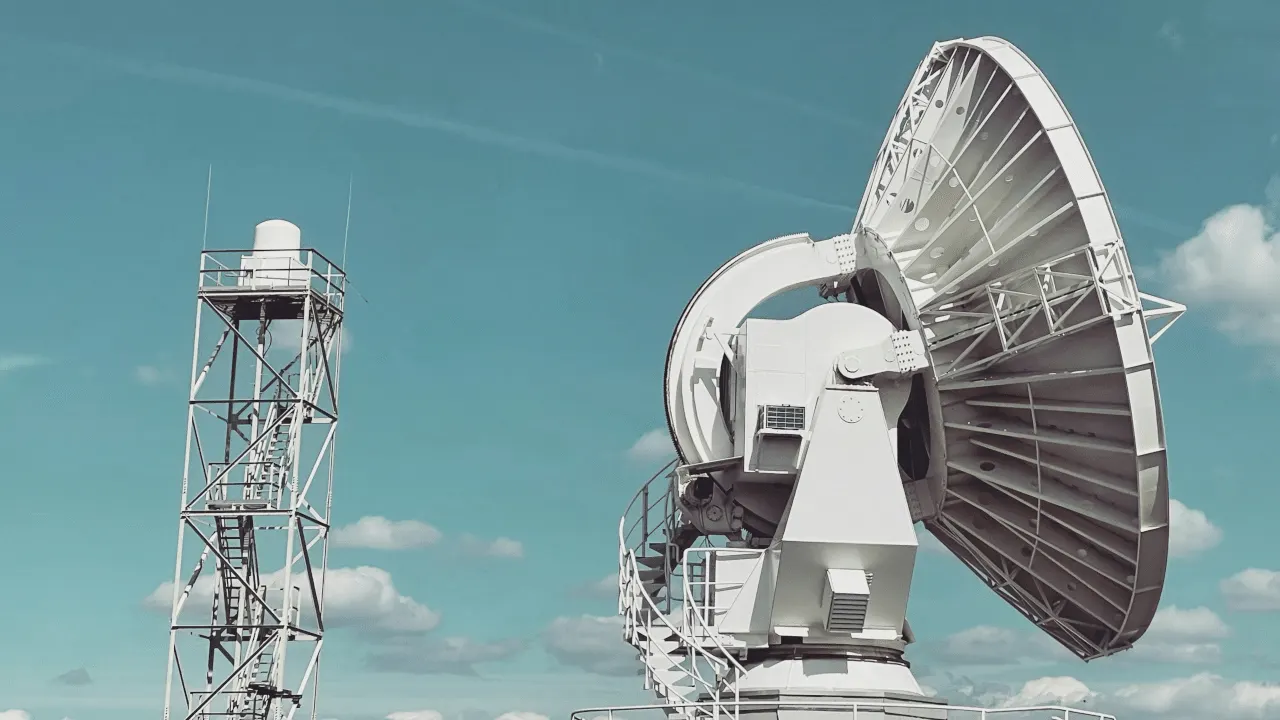
JRH ASI to Finance Radar System Production for Ukrainian Partner
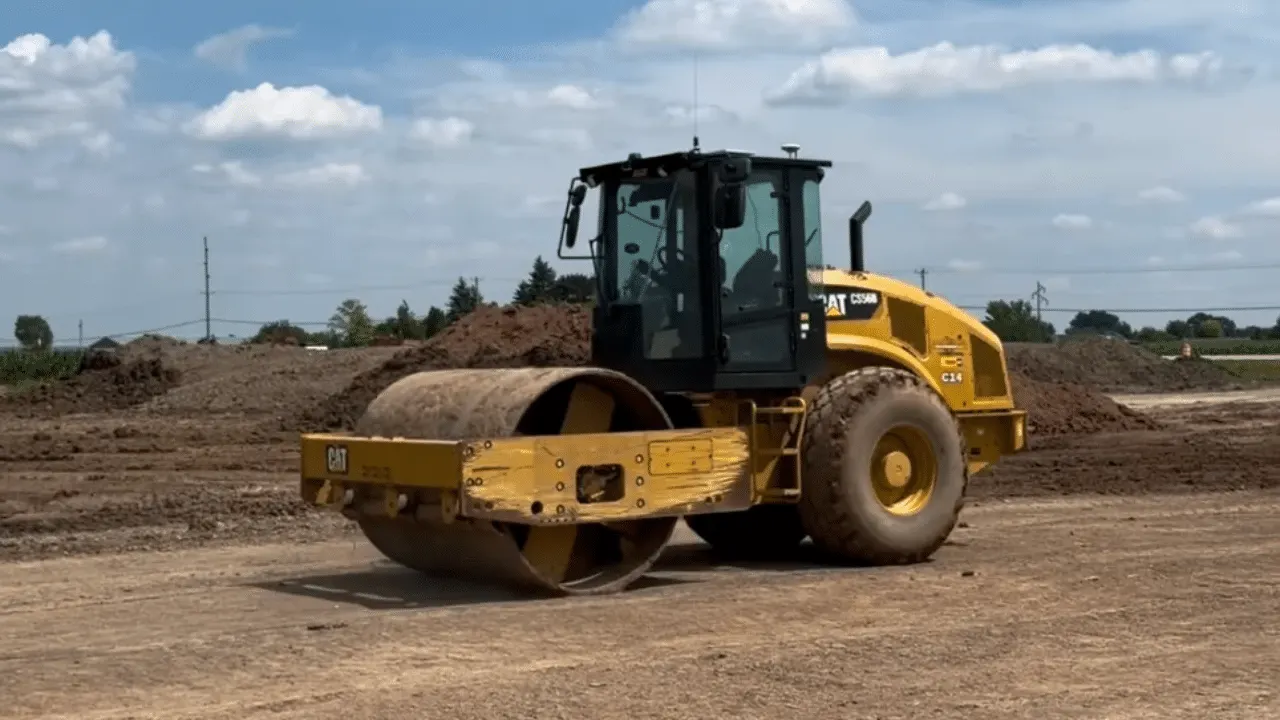
Budimex Tests Autonomous Rollers as Poland's Labor Shortage Bites
More in: Science
See all →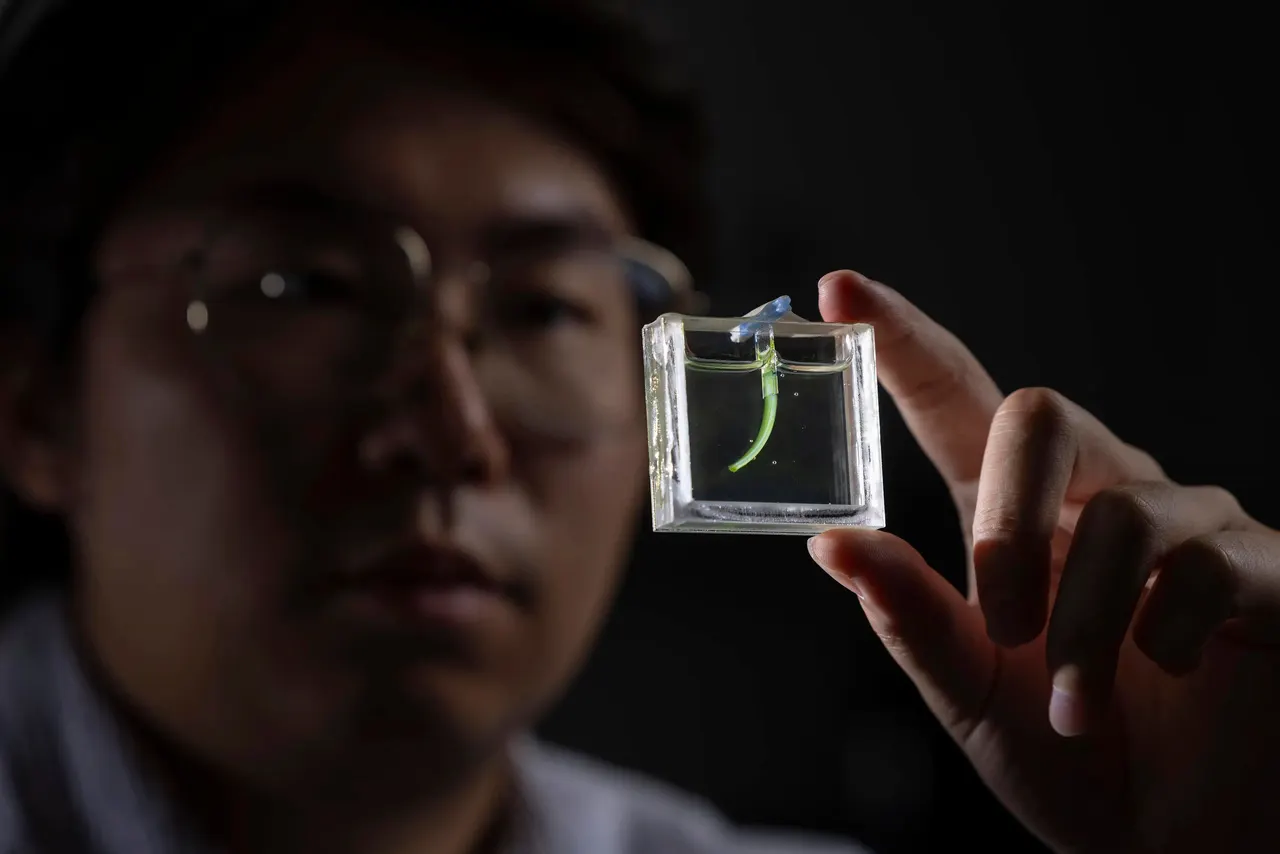
Algae-Powered Soft Robot Arms Bend and Grip When Light Hits
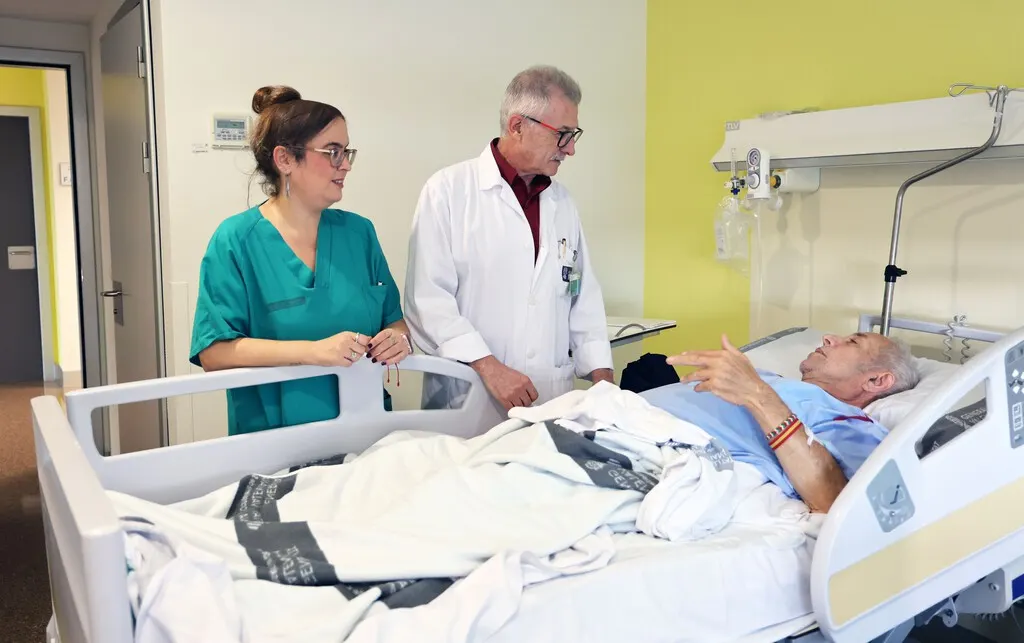
La Fe Hospital Transplants Heart in 70-Year-Old With Mechanical Pump
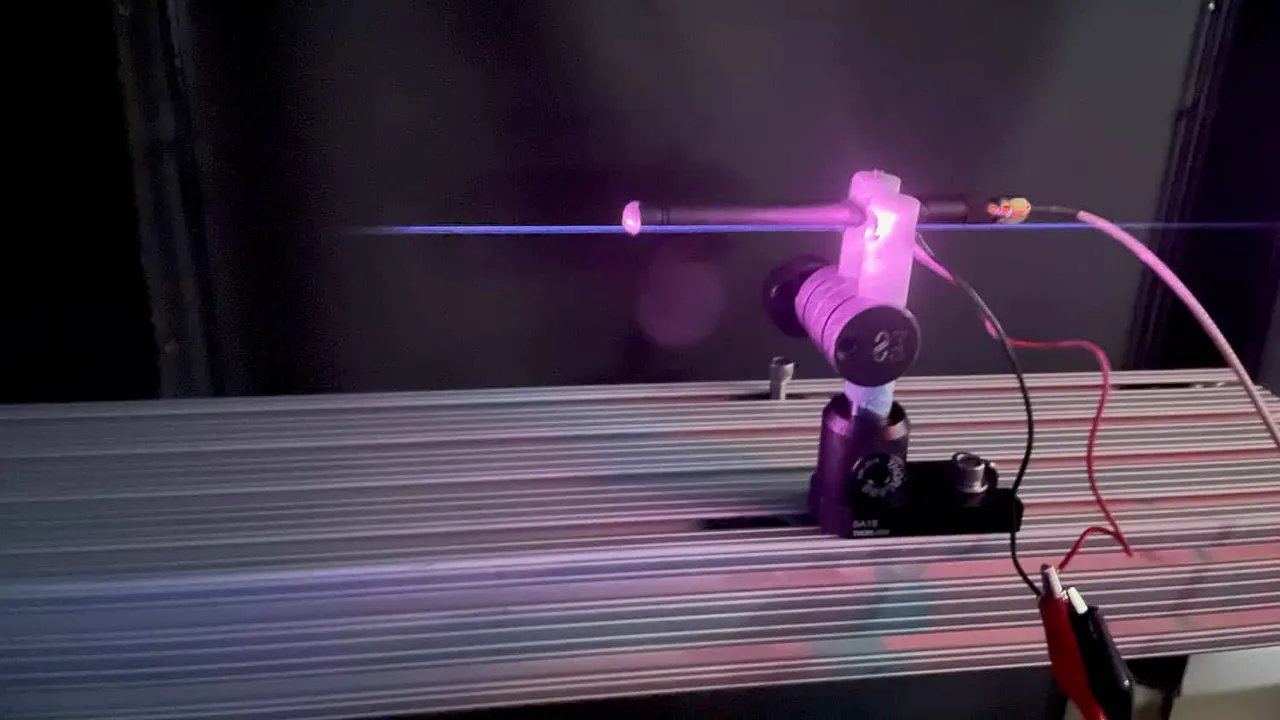
Laser-Made Plasma Antenna Transmits Radio Waves From Thin Air