South Korea to Launch Brain-Link BCI Project Group in 2027
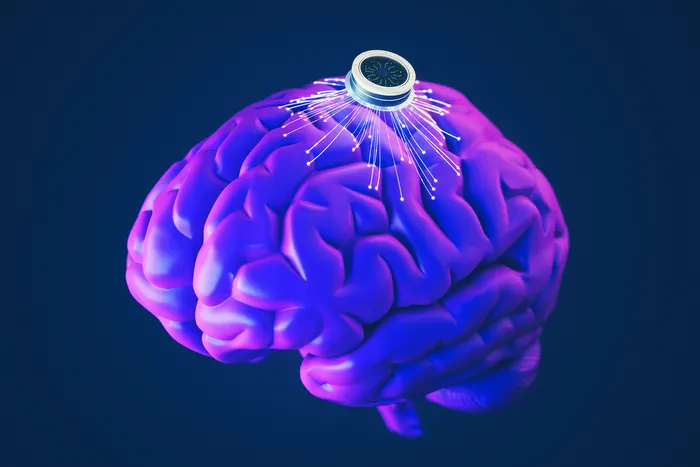
South Korea's science ministry will launch a Brain-Link Initiative next year to lead brain-computer interface R&D, with commercialization of domestic BCI targeted for 2035.
 SUMO· the number puzzle
 Dialo· learn languages by speaking
 ediviewer· read EDI files like documents
 giftdetect· the right gift in minutes
South Korea's Ministry of Science and ICT is preparing to set up a government project group next year to oversee research and development of brain-computer interface (BCI) technology, according to industry sources. The "Brain-Link Initiative" group aims to complete BCI demonstrations by 2029 and commercialize domestically developed BCI technology by 2035.
BCI technology links neural signals from the human brain to computers and other external devices, letting users control them by thought alone. If commercialized, it could help people with quadriplegia or brain disorders, and also drive innovation in areas such as thought-controlled robots and cultural content that conveys multiple senses.
A 29.5 billion won program
The group will manage a new government program worth 29.5 billion won in total. It covers design and demonstration of finished BCI products, development of AI models for brain signals, construction of a precision brain map, and a preclinical support center specialized for the brain industry. It will also draft a BCI regulatory rationalization roadmap and support clinical trials and new health technology assessments for finished products.
Modeled on the National New Drug Development Foundation, it will bring together the ministries involved in R&D, clinical work and regulation. Cho Il-joo, a Korea University medical professor who leads the BCI field of the government's K-Moonshot project, will head the group. A ministry official said holding both roles would improve decision-making and efficiency. The design draws on the US "BRAIN Initiative" launched in 2013.
Catching up with rivals
Korea trails other major countries in commercialization. China's Neuracle, a startup, won approval from the country's drug regulator in March for its invasive BCI system "Neo," which became the world's first commercial BCI product. In the US, Motif Neurotech received FDA approval in June for human trials of a wireless brain implant for treatment-resistant depression, and Science Corporation launched its "Prima" wireless retinal implant in Europe in July.
In Korea, Wybrain co-chairs a separate public-private body, the BCI Alliance. It already sells non-invasive head-worn devices for depression and sleep disorders, while its invasive implant is in clinical procedures. The company said it plans commercialization in step with the government schedule, through research BCI platforms, closed-loop BCI medical devices and invasive BCI clinical collaboration.
Apps worth a look
SUMO: the number puzzleTap the right tiles, add them up, hit the target. Easy to learn, hard to master. Free, for all ages.
Dialo: learn languages by speakingTalk to an AI conversation partner; every sentence comes back corrected and explained in your language. 9 languages, A1 to C2.
ediviewer: read EDI files like documentsOpen EDIFACT and X12 messages, see every segment explained, convert to JSON/XML, export PDF and Excel. Runs locally, no upload.
giftdetect: the right gift in minutesPick who it is for, the occasion and their personality. The search engine reads product descriptions from local shops and ranks what fits. Free, no sign-up.
More from this day
See all →
South Korea Cuts All Funding for National AI Education Center

Agibot Puts Six G2 Humanoid Robots to Work in a Shanghai Store

Kakao Bank Debit Cards Briefly Work With Apple Pay in South Korea