Sort A Brick Turns Used LEGO Into Refurbished Sets at Scale
Lithuanian startup Sort A Brick has unveiled a second-generation machine that sorts 3,600 bricks an hour and now sells refurbished LEGO sets directly.
 SUMO· the number puzzle
 Dialo· learn languages by speaking
 ediviewer· read EDI files like documents
 giftdetect· the right gift in minutes
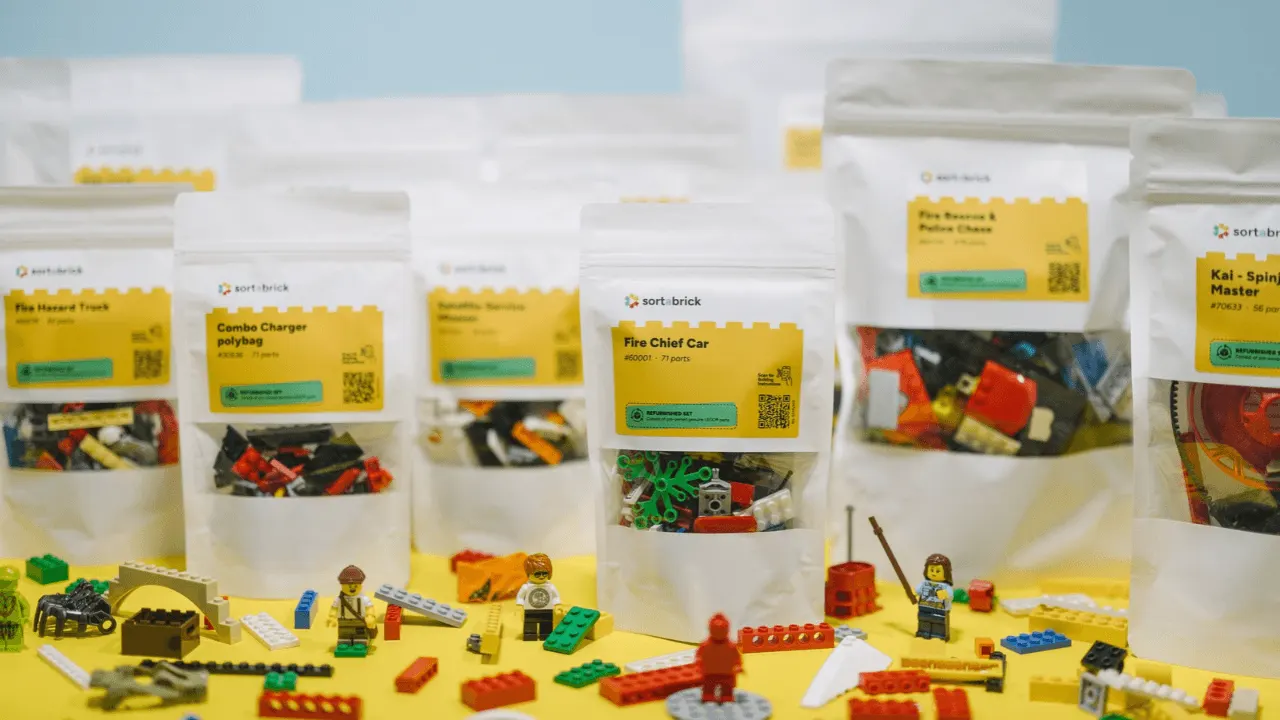
Lithuanian startup Sort A Brick has launched a second-generation automated sorting machine that scans and sorts up to 3,600 LEGO bricks an hour, four times faster than its predecessor. The company is using it to expand beyond restoring customers' collections into selling refurbished, complete sets.
According to the company, the global secondary LEGO market is worth about €800 million, but only €80 million of that comes from complete used sets. Sort A Brick estimates a market for certified refurbished sets could reach €4.7 billion by 2036 if automated sorting makes large-scale restoration commercially viable.
Early demand
More than 75 per cent of the online store's listed inventory sold in its first week, and customers in 20 EU countries have bought over 1,100 sets. The company has also received nearly 2,000 restoration requests from 41 countries and processed more than 700 kilograms of mixed bricks, with Germany emerging as a key market.
CEO Ilya Malkin says the average restoration order is around €500, often for 14 or 15 kilograms of bricks, which is a barrier for some customers. Individual refurbished sets cost around €10 or €15 depending on the model. The company targets prices about half those of equivalent new sets, though older and rarer sets may cost more.
How the machine works
The system uses computer vision to identify bricks and match them against a database of sets, and software then determines which sets can be rebuilt. The new machine scans bricks from all sides and has ten times more output containers, so hundreds of sets can be processed at once. Overall capacity is up fivefold on roughly three times the footprint.
It automatically identifies more than 93 per cent of pieces. The remaining 7 per cent go to a semi-manual station, and a human checks every set for completeness before it ships. Sets are cleaned and made only of genuine LEGO bricks, and the company says it will replace any missing or non-genuine piece. A QR code gives access to building instructions.
Malkin says the key test is whether the business works at scale. He expects the new generation to make operations profitable, which would allow the company to start replicating the system.
Apps worth a look
SUMO: the number puzzleTap the right tiles, add them up, hit the target. Easy to learn, hard to master. Free, for all ages.
Dialo: learn languages by speakingTalk to an AI conversation partner; every sentence comes back corrected and explained in your language. 9 languages, A1 to C2.
ediviewer: read EDI files like documentsOpen EDIFACT and X12 messages, see every segment explained, convert to JSON/XML, export PDF and Excel. Runs locally, no upload.
giftdetect: the right gift in minutesPick who it is for, the occasion and their personality. The search engine reads product descriptions from local shops and ranks what fits. Free, no sign-up.
More from this day
See all →
Elvis Presley Rights Holders Sue Anthropic Over Claude Lyrics

Revolut Makes Z.ai's GLM Its Default Coding AI for 2,000 Engineers
Wiki.js 3.0 Released: Rewrite Adds Real-Time Editing
Raven Prism: Linux-Based AI Glasses Head to Market at a Luxury Price
More in: Startups
See all →
Carousell live-selling GMV jumps about 6x after regional rollout
Hardt Hyperloop secures multi-million-euro funding after bankruptcy

Nscale investor Aker calls Microsoft exit a 'minor contract'