Russian spy charged for tailing Palantir staff at Palo Alto cafes
A Russian man is accused of photographing Palantir staff laptop screens in a Palo Alto cafe and following employees, after being recruited on Telegram.
 SUMO· the number puzzle
 Dialo· learn languages by speaking
 ediviewer· read EDI files like documents
 giftdetect· the right gift in minutes
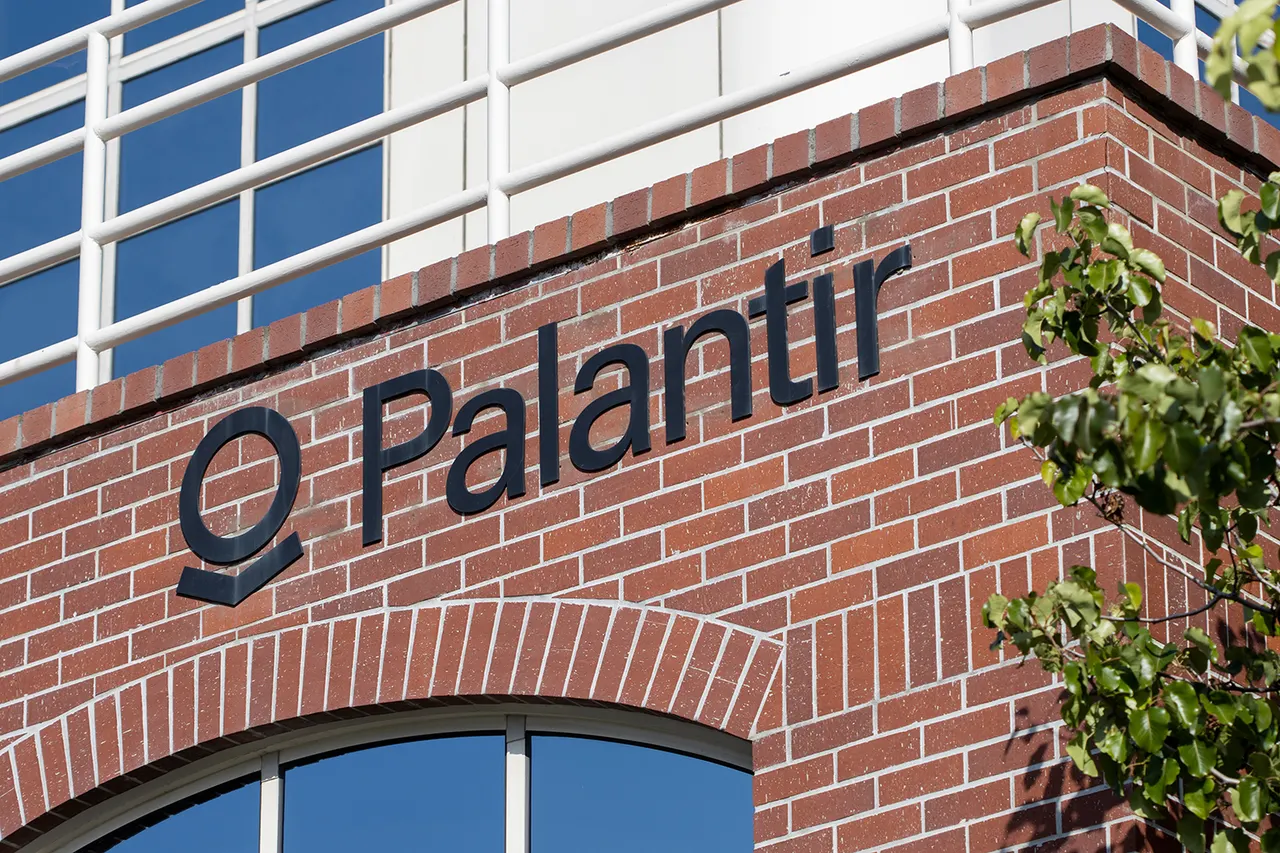
A Russian man who allegedly crossed the Mexican border, sat in a Palo Alto cafe and photographed strangers' laptop screens is now facing US charges. The Justice Department says he was working for the Russian government, and Bloomberg and Reuters have identified the target as Palantir.
Igor D'iu was arrested in October and remains in federal custody. According to the indictment and an affidavit, he was recruited by accomplices through the messaging app Telegram and entered the US illegally earlier this year. Prosecutors haven't named the targeted company, but the reports point to the Silicon Valley data analytics and defense software firm.
What was the Russian spy accused of doing at Palantir?
The job, as prosecutors describe it, was to spot Palantir employees in a cafe near the company's Palo Alto office and photograph their laptop screens while they worked. He is also suspected of following some employees. His handlers allegedly told him it was "for the motherland".
He was also told to set up his own laptop near the office. The accomplices would then have accessed it remotely, apparently to pull information from people nearby.
The route to California was roundabout. In June he flew from Istanbul to Mexico City, then crossed into the US with help from the accomplices. Once there, he was told to buy a laptop, wireless networking gear and remote-access software.
What happens next?
The case against him was announced on Wednesday. If convicted, he could face up to 21 years in prison. Searching his home turned up about $18,000 in cash, among other items.
US Attorney Craig H. Missakian said the case involved an alleged state-directed effort to surveil and harass employees of American tech and defense companies that support Ukraine in its war with Russia. He added that the US will not tolerate attempts to turn Silicon Valley into a base for foreign intelligence, whether by a foreign government or anyone else.
The case landed shortly after the New York Times reported that Nvidia's Jensen Huang had been close to a woman suspected of being a Chinese operative. Huang acknowledged an affair with her. Taken together, the cases show that as Silicon Valley matters more to national security, the people who work there are being targeted by foreign intelligence services, not just their employers.
Apps worth a look
SUMO: the number puzzleTap the right tiles, add them up, hit the target. Easy to learn, hard to master. Free, for all ages.
Dialo: learn languages by speakingTalk to an AI conversation partner; every sentence comes back corrected and explained in your language. 9 languages, A1 to C2.
ediviewer: read EDI files like documentsOpen EDIFACT and X12 messages, see every segment explained, convert to JSON/XML, export PDF and Excel. Runs locally, no upload.
giftdetect: the right gift in minutesPick who it is for, the occasion and their personality. The search engine reads product descriptions from local shops and ranks what fits. Free, no sign-up.
More from this day
See all →
Melt chocolate: a weight-loss drug sold as a daily chocolate square
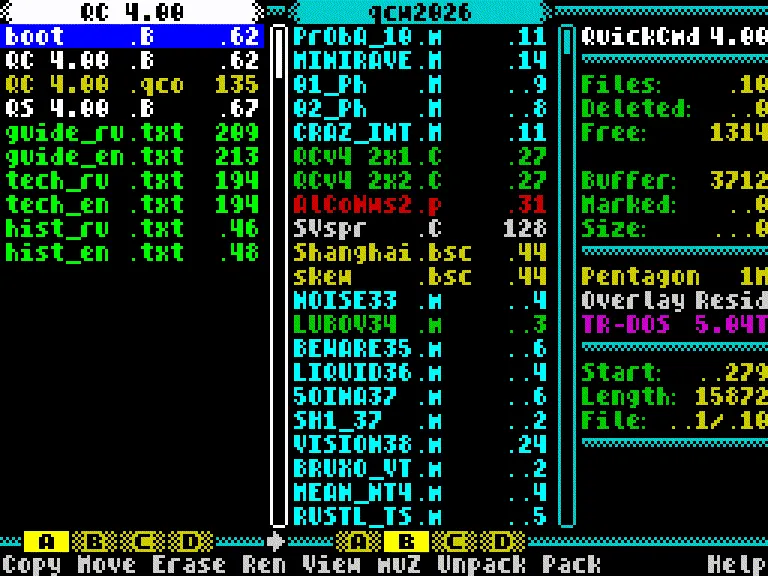
Quick Commander 4.00 for ZX Spectrum ships 20 years after its announcement

Neo FreeRunner: the open-hardware Linux phone, taken apart

OpenAI countersues Apple over its unreleased AI device
More in: Security
See all →
iCloud security settings: the ones worth switching on now

Telegram warns iPhone users on older iOS to update now

Can AI break RSA encryption before quantum computers do?