Russian nuclear satellite Sputnik-S could launch in December
Western intelligence services reportedly think Russia could put a nuclear-armed satellite in orbit as early as December. The Kremlin calls the report not worth taking seriously.
 SUMO· the number puzzle
 Dialo· learn languages by speaking
 ediviewer· read EDI files like documents
 giftdetect· the right gift in minutes
A nuclear weapon parked in orbit, waiting for an order to go off. According to German media reports published Monday, Western intelligence agencies fear Russia could launch exactly that before the year is out. The Kremlin says the claims are not worth taking seriously.
The reporting comes from public broadcasters NDR and WDR and the Munich newspaper Süddeutsche Zeitung. They say Western agencies, including the German Armed Forces and the Federal Intelligence Service, believe Russia is preparing to deploy the weapon this year. Several NATO countries have shared their findings. The satellite, called Sputnik-S, has reportedly sat in storage around Moscow for years, and German Space Command thinks it could fly as early as December. Once up there, it could loiter for months or years.
Why would a nuclear satellite be such a problem?
Because a blast in orbit does not pick targets. It would threaten thousands of satellites in low-Earth orbit, including Starlink and its military sibling Starshield, Western surveillance satellites and human spaceflight platforms like the International Space Station. Russian and Chinese spacecraft would be hit too.
The US Defense Intelligence Agency warned a month ago that such a weapon could cause "rapid and sudden loss or degradation of thousands of satellites." It added that a detonation would leave radiation belts that could last for years and damage satellites that were only briefly disrupted.
That is a different class of threat from what Russia has shown so far. Its kinetic anti-satellite weapon, which fires projectiles from one satellite at another, would take out only a few spacecraft. A large constellation like Starlink could absorb that. A nuclear detonation could not be absorbed.
What does the 1967 Outer Space Treaty say?
It bans weapons of mass destruction in space, and Russia is a party to it. Moscow nonetheless vetoed a 2024 UN Security Council draft resolution that sought to reaffirm the ban.
US lawmakers first heard about the ambition in early 2024. Officials then said Russia had launched a test satellite in 2022 to study radiation effects on space hardware, but had not put a nuclear weapon in orbit.
Kremlin spokesperson Dmitry Peskov dismissed the report, pointing to its "allegedly" and "possibly" and its unnamed sources. German Chancellor Friedrich Merz did not discuss timing, but called the news "not new" and "no less shocking," saying it shows how far Russia seems ready to escalate.
Apps worth a look
SUMO: the number puzzleTap the right tiles, add them up, hit the target. Easy to learn, hard to master. Free, for all ages.
Dialo: learn languages by speakingTalk to an AI conversation partner; every sentence comes back corrected and explained in your language. 9 languages, A1 to C2.
ediviewer: read EDI files like documentsOpen EDIFACT and X12 messages, see every segment explained, convert to JSON/XML, export PDF and Excel. Runs locally, no upload.
giftdetect: the right gift in minutesPick who it is for, the occasion and their personality. The search engine reads product descriptions from local shops and ranks what fits. Free, no sign-up.
More from this day
See all →
DOJ targets $1.17 billion in USDC tied to the Binance hack

YouTube custom app icons: the retro iPhone TV may be coming back
Figma lawsuit: engineer says HR told her to confront harassers

Kraken's CAD market sold bitcoin for $17,000, and the trades stand
More in: Space
See all →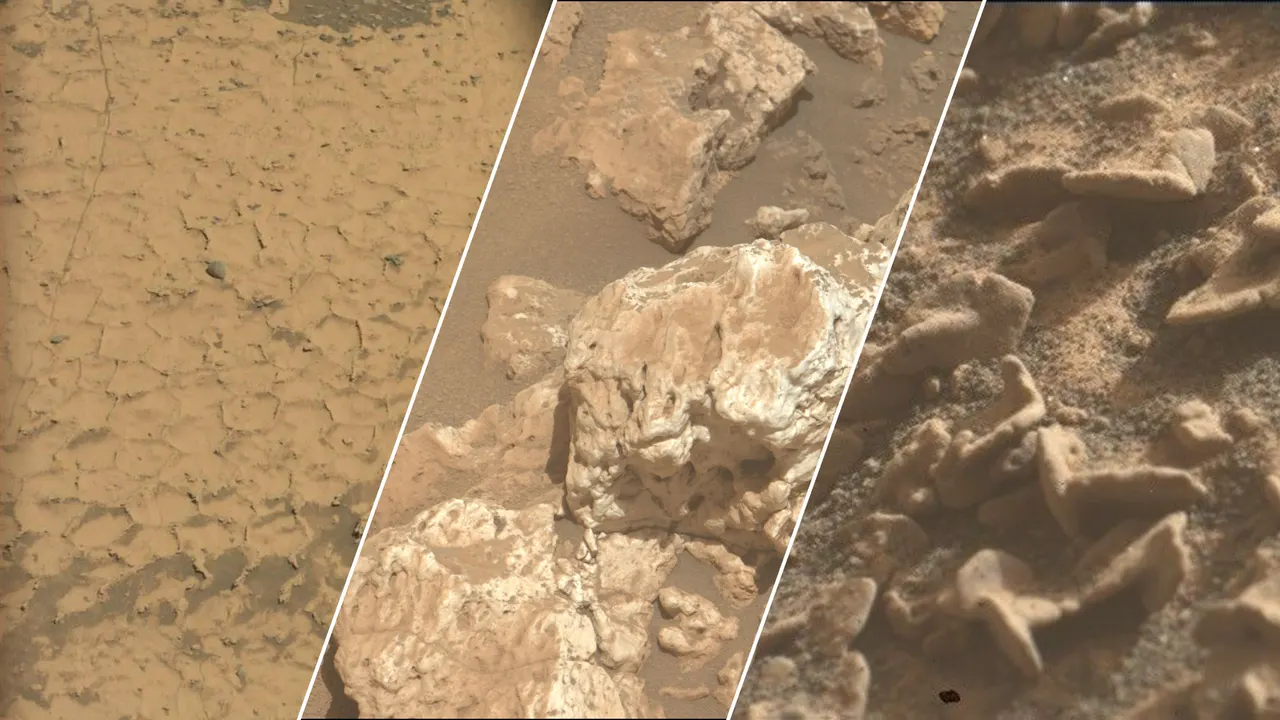
Mars 'potato chip' rocks and ghostly white stones found by NASA rovers