Mars 'potato chip' rocks and ghostly white stones found by NASA rovers
NASA's Curiosity found crystals so flat the team compared them to potato chips, while Perseverance found pale rocks rich in hydrated silica.
 SUMO· the number puzzle
 Dialo· learn languages by speaking
 ediviewer· read EDI files like documents
 giftdetect· the right gift in minutes
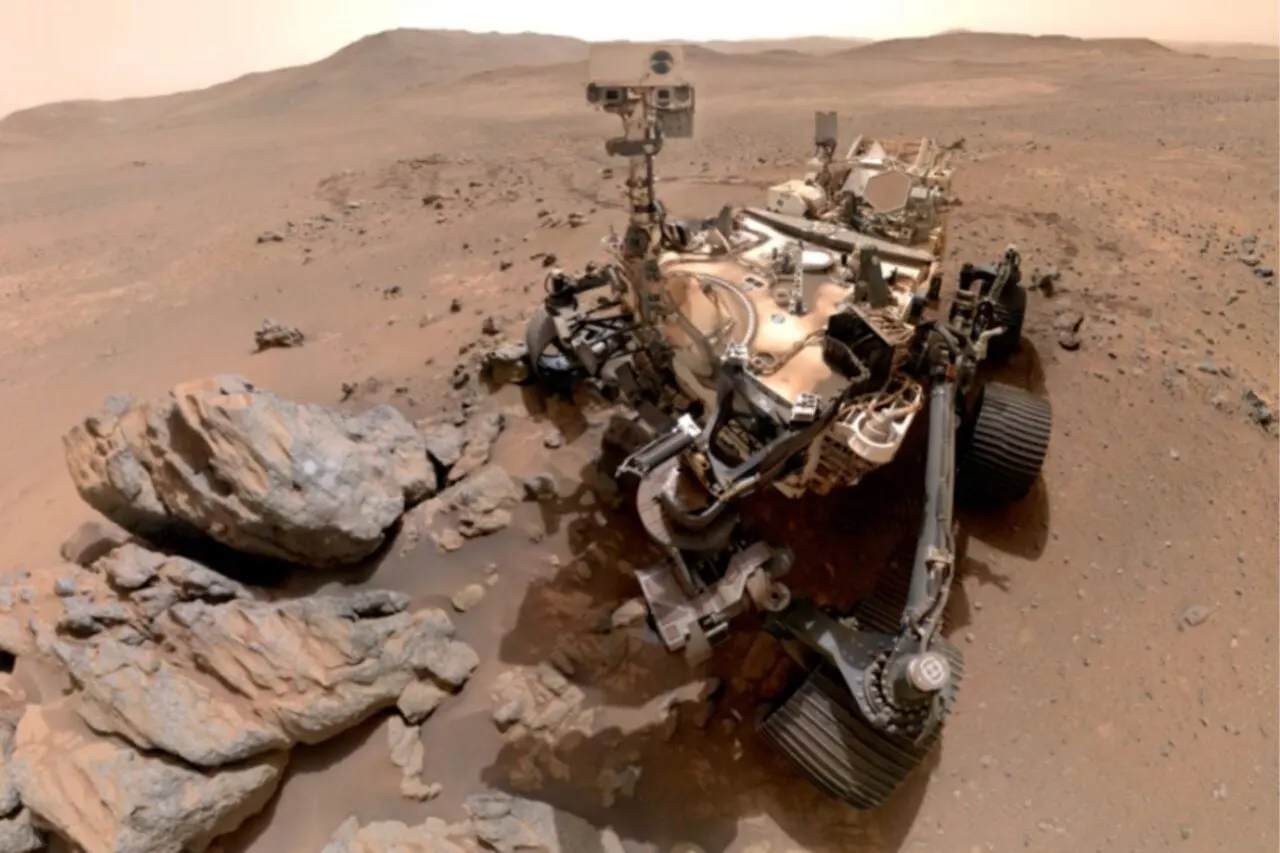
Mars has been serving up snacks and ghosts. NASA's Curiosity and Perseverance rovers have each found odd rocks that look strange but could say a lot about the planet's wet past.
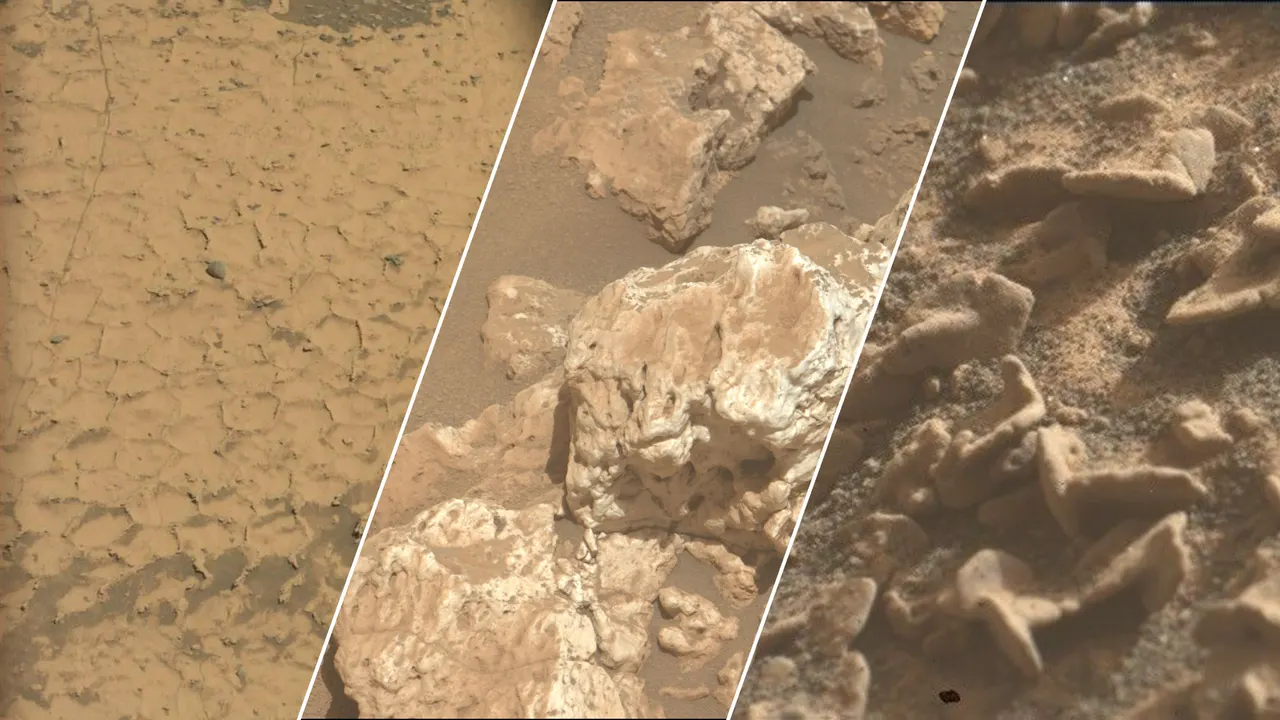
Curiosity just finished a drilling campaign at a spot nicknamed "Nazca", where disk-shaped crystal formations sit embedded in the bedrock. Some are so thin and flat that the mission team compared them to potato chips, according to NASA. On Nov. 7, the rover's 5,067th Martian day (Sol 5067), it took close-ups with its MAHLI camera on the robotic arm. Its ChemCam instrument checked the chemistry, and drilled samples went to the onboard SAM instrument for analysis.
What are the ghostly white rocks on Mars?
Perseverance has been studying unusually bright rocks at a place called "Idubi", in the "Lac de Charmes" region outside Jezero Crater. Images from Oct. 29, 2026 (Sol 2023) show pale stones standing out against the dark, dusty ground. Data from its SuperCam instrument shows they are rich in hydrated silica, not ordinary igneous (volcanic) rock.
That matters because on Earth, hydrated silica can form around hydrothermal activity or groundwater. It can also preserve microscopic fossils, which makes it a good target in the hunt for ancient life. Perseverance is now gathering more detailed chemical and mineral data to work out how the rocks formed and whether they hold any sign of past microbes.
Polygon patterns on Mount Sharp
Curiosity has also met a familiar sight again as it climbs Mount Sharp: small, regular polygons outlined by raised ridges, imaged on Nov. 13, 2026 (Sol 5073). Similar patterns appeared earlier in its climb. NASA says they could come from minerals shrinking as water evaporated, from temperature changes, or from buried sediments expanding and compacting.
The team plans to study the rock and the material cementing the ridges to find out which process did it.
Apps worth a look
SUMO: the number puzzleTap the right tiles, add them up, hit the target. Easy to learn, hard to master. Free, for all ages.
Dialo: learn languages by speakingTalk to an AI conversation partner; every sentence comes back corrected and explained in your language. 9 languages, A1 to C2.
ediviewer: read EDI files like documentsOpen EDIFACT and X12 messages, see every segment explained, convert to JSON/XML, export PDF and Excel. Runs locally, no upload.
giftdetect: the right gift in minutesPick who it is for, the occasion and their personality. The search engine reads product descriptions from local shops and ranks what fits. Free, no sign-up.